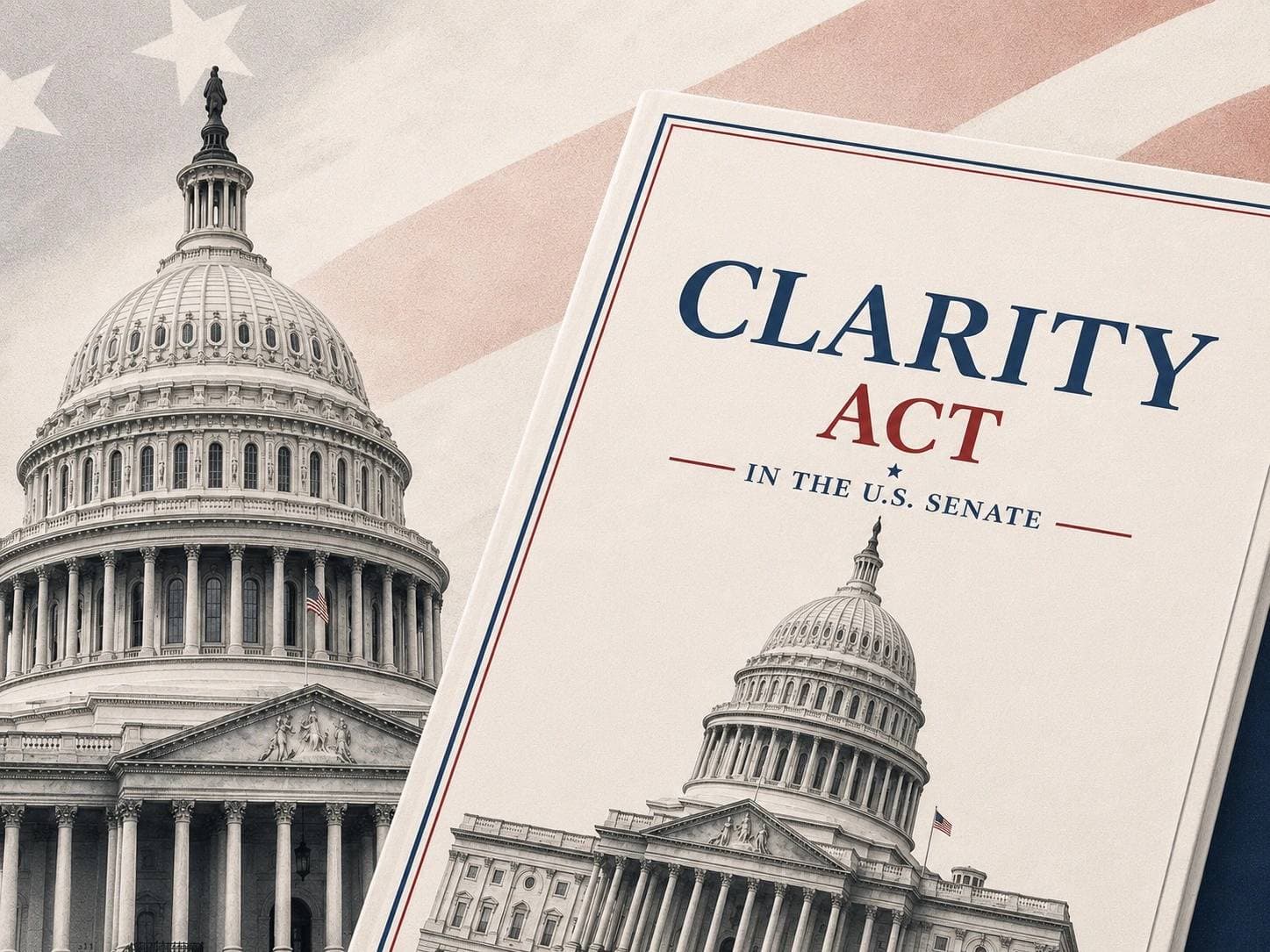
A fresh warning from Washington is adding urgency to America’s digital asset debate after Senator Cynthia Lummis argued the United States risks losing ground globally if lawmakers fail to advance crypto legislation. The comments center around growing concerns that slower regulatory progress could weaken America’s competitive position in financial technology and blockchain innovation. Digital asset regulation has become one of the defining economic policy debates of recent years. While cryptocurrency adoption accelerates globally, lawmakers continue debating how digital assets should be governed, supervised, and integrated into existing financial systems. Supporters of faster legislation argue regulatory clarity is critical for investment growth, innovation, and keeping blockchain companies operating domestically instead of moving overseas. Europe has already moved aggressively through regulatory frameworks designed to provide clearer operating rules for crypto firms. Meanwhile, Asian markets continue expanding blockchain infrastructure and digital asset initiatives. Industry leaders frequently argue uncertainty creates obstacles for businesses seeking long-term investment decisions. Companies operating within blockchain ecosystems often cite unclear rules as a major challenge. The proposed push for regulatory clarity arrives as competition intensifies worldwide. Countries increasingly view blockchain infrastructure as both a technological opportunity and strategic economic priority. Financial institutions continue exploring tokenization systems, stablecoins, blockchain settlements, and digital payment rails. Governments globally are simultaneously assessing how regulation can encourage innovation without increasing systemic risks. The debate also carries political implications. Supporters believe clearer frameworks could strengthen domestic competitiveness while critics emphasize investor protection and market oversight. The conversation reflects broader concerns surrounding technological leadership. Artificial intelligence, semiconductor manufacturing, clean energy systems, and blockchain infrastructure increasingly shape international economic competition. For crypto businesses operating within the United States, policy direction may influence future investment decisions and corporate growth strategies. Whether legislation advances quickly remains uncertain, but pressure appears to be building. As digital assets move deeper into mainstream finance, policymakers face a growing challenge: balancing innovation with regulation while maintaining competitiveness in an increasingly digital global economy. The outcome may shape not only cryptocurrency markets but America’s broader position in future financial infrastructure development.
Published by Banx Network. This article is part of the Banx decentralized media programme, powered by the BXE token on the XRP Ledger.