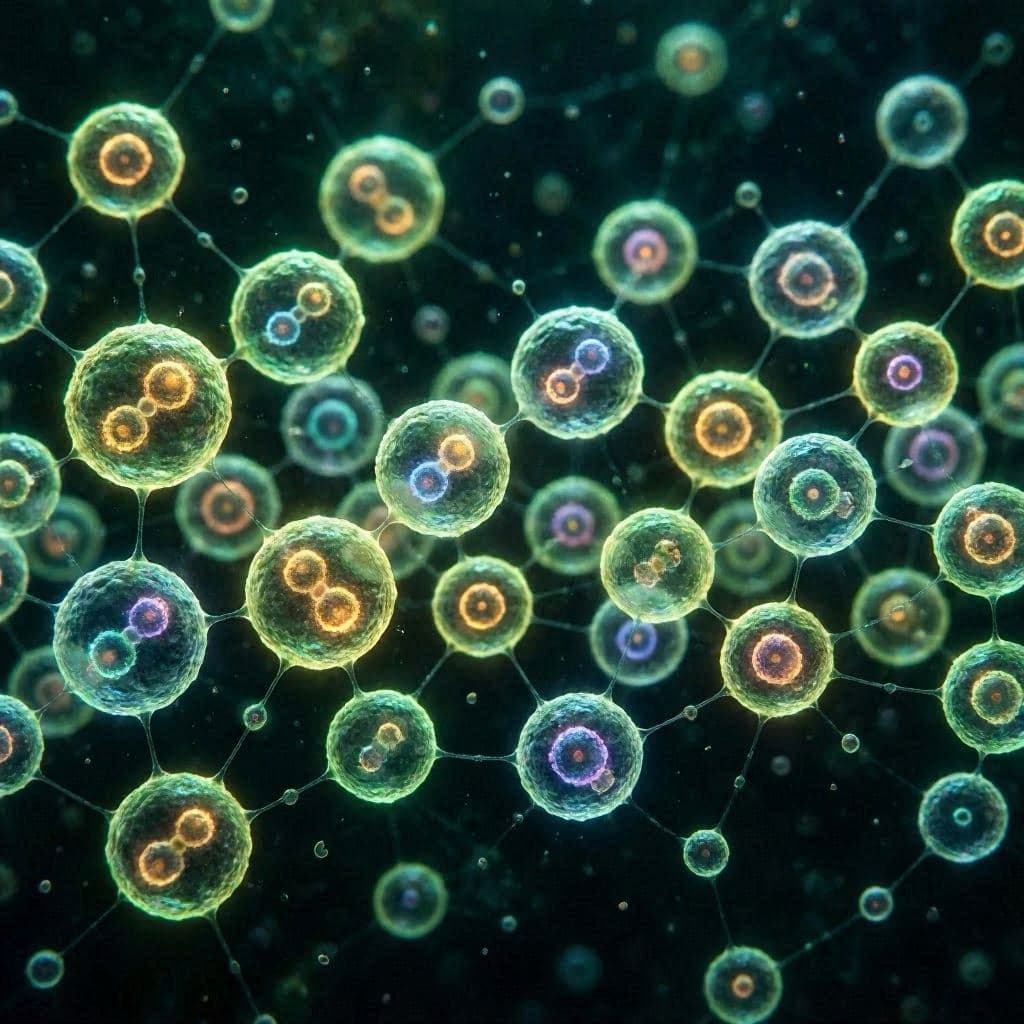
In the quiet laboratories of synthetic biology, a new form of life is beginning to take shape, not through evolution, but through design. Scientists have successfully created cell-like structures using entirely lab-made DNA, marking a significant milestone in the quest to understand and replicate the fundamental building blocks of life. These "beautiful blobs," as researchers affectionately call them, are not alive in the traditional sense, but they mimic many functions of living cells, bridging the gap between chemistry and biology.
The achievement involves constructing a genome from scratch, synthesizing the genetic code that directs cellular activity. This synthetic DNA was then inserted into a simplified cell structure, allowing it to perform basic biological processes such as protein production and self-replication. While these entities lack the complexity of natural organisms, they demonstrate that life’s machinery can be engineered from non-living components. It is a profound step toward understanding the origins of life and the potential for creating new biological tools.
The implications of this research are vast. In medicine, synthetic cells could be designed to deliver drugs precisely to targeted tissues, reducing side effects and improving treatment efficacy. In environmental science, they might be engineered to break down pollutants or capture carbon, offering innovative solutions to global challenges. The ability to program life at its most basic level opens doors to applications that were once the realm of science fiction.
However, the creation of synthetic life also raises ethical questions. As we gain the power to design biological systems, we must consider the responsibilities that come with such capability. Issues of safety, containment, and moral status need careful discussion among scientists, ethicists, and the public. It is a conversation that requires humility and foresight, ensuring that technological progress aligns with societal values.
The term "beautiful blobs" captures the aesthetic wonder of these microscopic creations. Under a microscope, they appear as delicate, glowing spheres, pulsing with chemical activity. This beauty is not just visual but intellectual, reflecting the elegance of biological design. It reminds us that science is not only about utility but also about appreciation for the intricate patterns of nature.
Researchers emphasize that these synthetic cells are far from replacing natural life. They are tools for exploration, helping us decode the rules that govern living systems. By building life from the bottom up, we learn more about how it works from the top down. This knowledge can inform conservation efforts, disease treatment, and our understanding of evolution.
Public engagement with synthetic biology is crucial. As the field advances, transparent communication about its goals and safeguards will build trust and understanding. Education initiatives can help demystify the science, showing how it contributes to human well-being without compromising ethical standards. It is a collaborative journey toward a future where biology and technology intersect harmoniously.
In the end, the creation of synthetic cells is a testament to human curiosity and ingenuity. It shows that we are not just observers of life but participants in its ongoing story. By approaching this power with care and respect, we can harness it for the greater good, creating a world where science serves humanity and nature alike.
AI Image Disclaimer: The visual aids accompanying this article are created using artificial intelligence and are intended for conceptual illustration only, not as factual depictions of the specific synthetic cells.
Sources: Nature Journal Science Magazine Smithsonian Magazine BBC News The Guardian
Published by Banx Network. This article is part of the Banx decentralized media programme, powered by the BXE token on the XRP Ledger.