
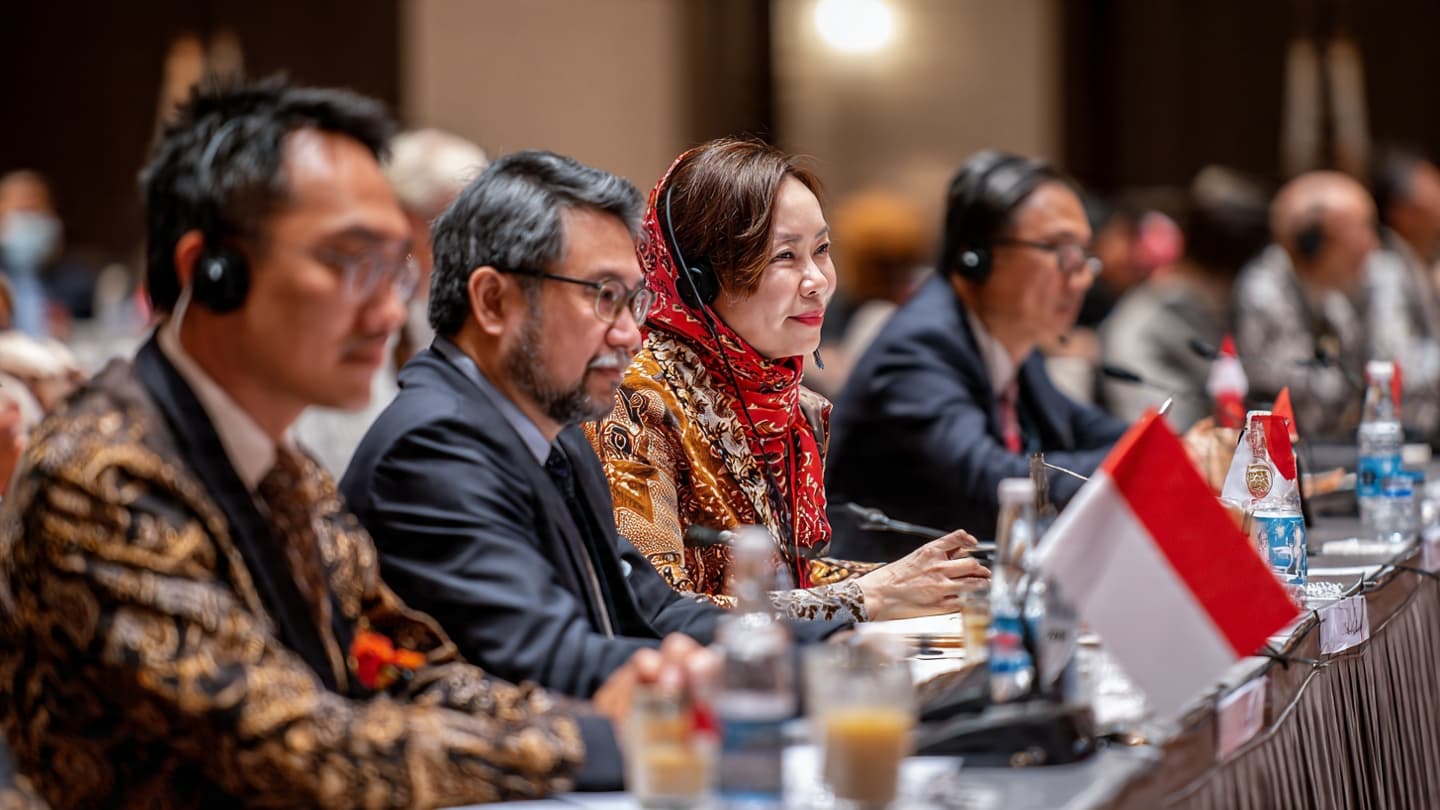
In global diplomacy, not every contribution comes from the nations seated at the center of negotiations. Sometimes progress depends on countries that quietly encourage dialogue, build trust, and help maintain communication when uncertainty threatens to interrupt the process. Such a role has increasingly been discussed for Indonesia as the peace efforts between the United States and Iran continue to evolve.
Calls for Indonesian involvement emerged following reports of progress in negotiations between Washington and Tehran. While the primary discussions remain in the hands of the parties directly involved, observers argue that broader international support may help strengthen confidence in the process and encourage continued engagement.
Indonesia occupies a distinctive position within the international community. As one of the world's largest democracies and a country that has traditionally promoted dialogue and multilateral cooperation, Jakarta is often viewed as a constructive participant in efforts aimed at reducing tensions and supporting peaceful solutions.
Several analysts have suggested that Indonesia could contribute through diplomatic engagement in international forums, including discussions within multilateral organizations. Such efforts would not necessarily involve direct mediation but could help reinforce international support for dialogue and stability.
The proposal also reflects Indonesia’s longstanding foreign policy principles. Successive governments have emphasized the importance of peaceful dispute resolution, respect for international law, and cooperation among nations. These principles align closely with broader efforts to encourage diplomatic solutions to regional conflicts.
Supporters of a more active Indonesian role argue that middle powers can often play an important supporting function in complex negotiations. By maintaining communication with multiple stakeholders and encouraging constructive engagement, they can help preserve momentum during periods when larger powers face political obstacles.
Economic considerations also provide an incentive for stability. Prolonged tensions in the Middle East can affect energy markets, trade routes, and global economic confidence. As a country deeply integrated into the international economy, Indonesia has a strong interest in supporting conditions that promote predictability and peace.
Government officials have generally welcomed diplomatic developments that reduce the risk of conflict. While Jakarta has not positioned itself as a principal actor in the negotiations, it continues to express support for peaceful solutions and dialogue-based approaches to international disputes.
Observers note that the road toward a comprehensive agreement remains challenging. Negotiations involving major geopolitical rivals rarely proceed without setbacks, and implementation often proves as difficult as reaching an initial understanding. Sustained international encouragement may therefore become an important factor in preserving progress.
For Indonesia, the discussion represents an opportunity to reaffirm its commitment to diplomacy at a time when global uncertainty remains high. Whether through multilateral engagement, public support for peaceful negotiations, or cooperation with international partners, Jakarta may contribute to an environment in which dialogue continues to prevail over confrontation. As the peace process develops, many will be watching to see how countries beyond the immediate negotiations help shape the future of regional stability.
AI IMAGE DISCLAIMER:
Graphics are AI-generated and intended for representation, not reality.
SOURCES:
Kompas.com Reuters AFP The Jakarta Post Antara News
Note: This article was published on BanxChange.com and is powered by the BXE Token on the XRP Ledger. For the latest articles and news, please visit BanxChange.com