
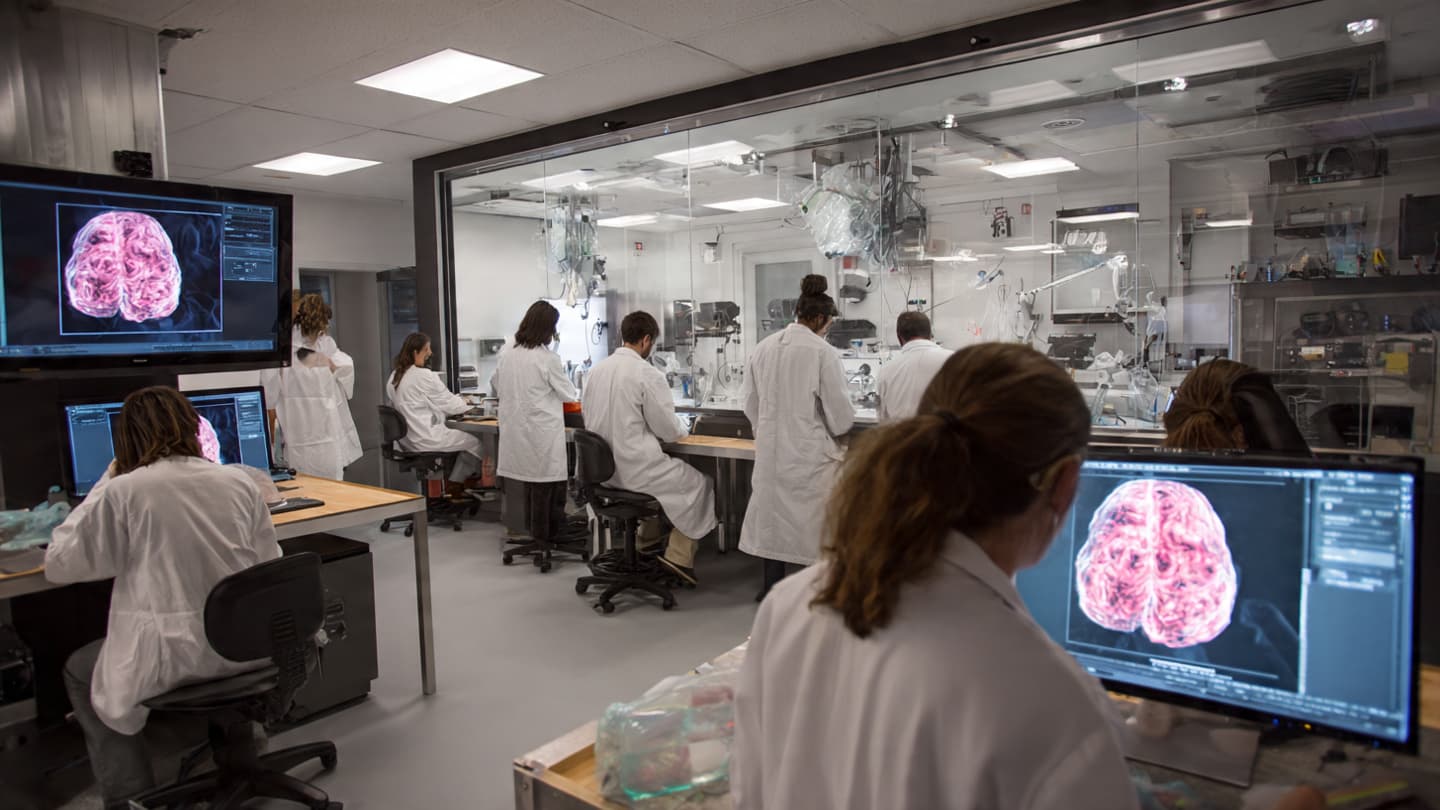
Medical science often advances through careful observation, patience, and a willingness to explore ideas that once seemed beyond reach. Among the many challenges facing researchers, stroke remains one of the most urgent. A recent study has drawn attention to a promising approach: targeted brain cooling that appears to reduce tissue damage following stroke in animal experiments.
Stroke occurs when blood flow to part of the brain is interrupted, depriving brain cells of oxygen and nutrients. The longer this disruption continues, the greater the risk of permanent neurological damage. For decades, scientists have searched for methods capable of protecting vulnerable brain tissue during and after such events.
The new research examined whether controlled cooling could slow harmful biological processes triggered by stroke. Investigators found that reducing brain temperature helped limit inflammation and cellular injury in laboratory animals, leading to improved outcomes compared with untreated groups.
Scientists explain that cooling techniques may work by decreasing metabolic demand within affected brain regions. When cells require less energy, they may be better able to survive temporary disruptions in blood supply. This principle has already been explored in several areas of emergency medicine.
The study adds to a growing body of evidence suggesting that temperature management could become an important therapeutic tool. Researchers are particularly interested in developing methods capable of delivering targeted cooling without causing unwanted side effects elsewhere in the body.
While the findings are encouraging, experts caution that results from animal studies do not automatically translate into successful human treatments. Additional research, including carefully designed clinical trials, will be necessary before physicians can determine whether the approach is safe and effective for patients.
Neurologists continue to emphasize that rapid medical treatment remains the most important factor in improving stroke outcomes. Public awareness campaigns encourage individuals to recognize warning signs and seek emergency care immediately.
Advances in imaging technology, emergency response systems, and treatment protocols have already improved survival rates in many countries. Researchers hope that new protective therapies could further reduce long-term disability among stroke survivors.
Although significant work remains ahead, the study offers another example of how biomedical research continues searching for innovative ways to protect the brain. Each discovery contributes to a broader effort aimed at improving recovery and quality of life for patients worldwide.
AI Image Disclaimer: The accompanying images are AI-generated scientific visualizations intended to illustrate the medical concepts discussed in this article.
Sources Verified Nature Nature Medicine National Institutes of Health (NIH) American Stroke Association Science
Published by Banx Network. This article is part of the Banx decentralized media programme, powered by the BXE token on the XRP Ledger.

.jpg&w=3840&q=75 "Blake Lively Awarded $400,000 in Legal Fees After Justin Baldoni Lawsuit Dismissed")
