The universe often resembles a vast library in which many shelves remain unopened. Scientists have spent decades attempting to understand two of its greatest mysteries: dark matter and the imbalance between matter and antimatter. New theoretical research suggests these puzzles may not be separate stories, but chapters within the same cosmic narrative.
Physicists have proposed that an unseen "dark dimension" could connect these longstanding mysteries. The concept emerges from theoretical models that extend beyond the current Standard Model of particle physics.
Dark matter is believed to account for roughly 85 percent of the matter in the universe, yet it has never been directly observed. Its existence is inferred through gravitational effects on galaxies and galaxy clusters.
At the same time, scientists continue to investigate why the universe contains far more matter than antimatter. According to established theories, the Big Bang should have produced equal amounts of both, which would have largely annihilated each other.
The new research suggests that particles existing within a hidden sector—or dark dimension—might influence both phenomena simultaneously. Such a hidden realm could contain previously unknown particles and interactions inaccessible to ordinary matter.
Researchers emphasize that the idea remains theoretical. No direct observational evidence currently confirms the existence of a dark dimension. Nevertheless, theoretical frameworks play an important role in guiding future experiments and observations.
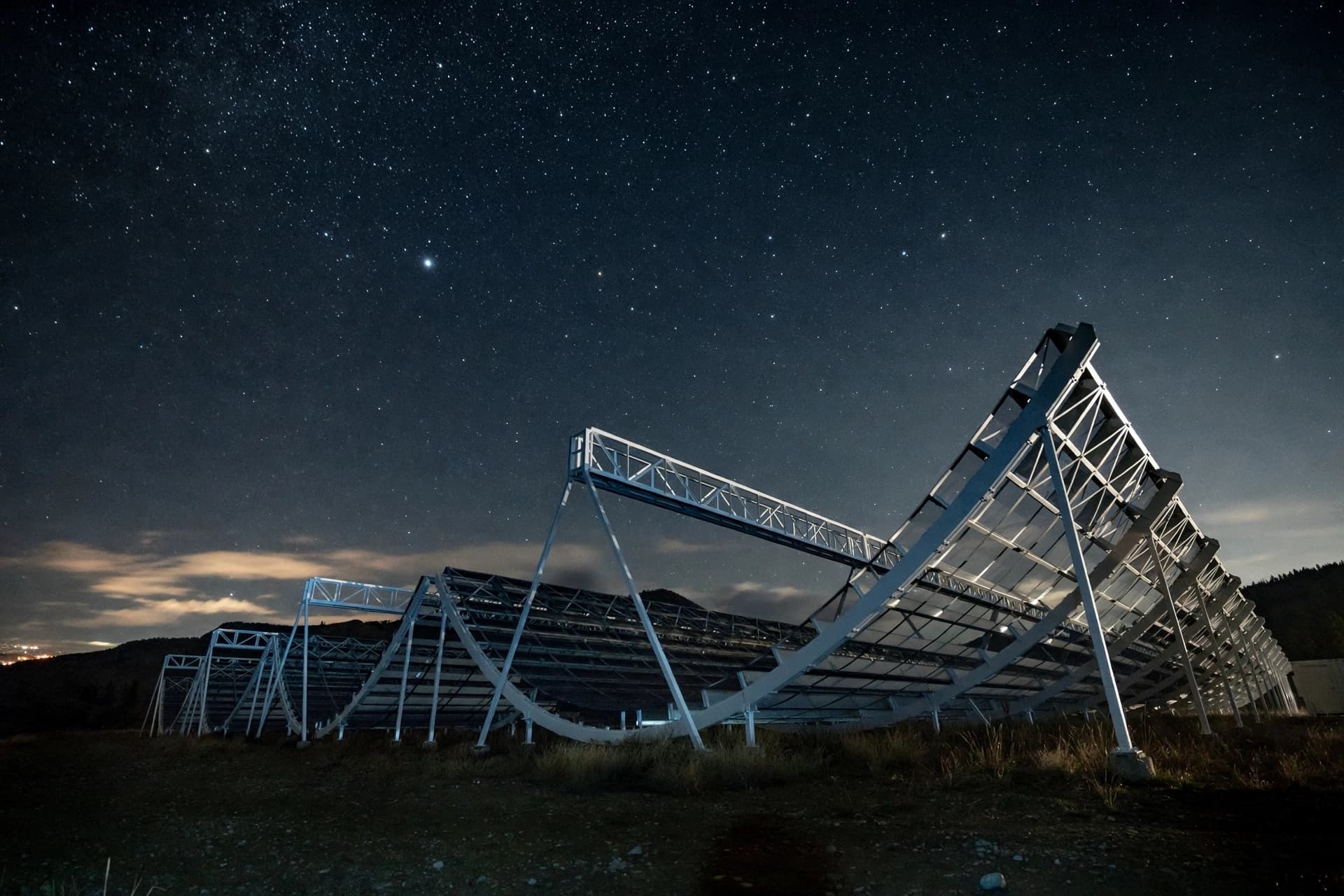
Facilities such as particle accelerators, underground detectors, and astronomical observatories may eventually test predictions generated by these models. Upcoming experiments could help determine whether hidden-sector particles leave detectable signatures.
Scientific progress often advances through careful exploration of possibilities. While many hypotheses are eventually revised or discarded, each contributes to a broader understanding of how the universe operates.
Future experimental results will determine whether the concept of a dark dimension represents a profound discovery or simply another stepping stone in the continuing search to explain the cosmos.
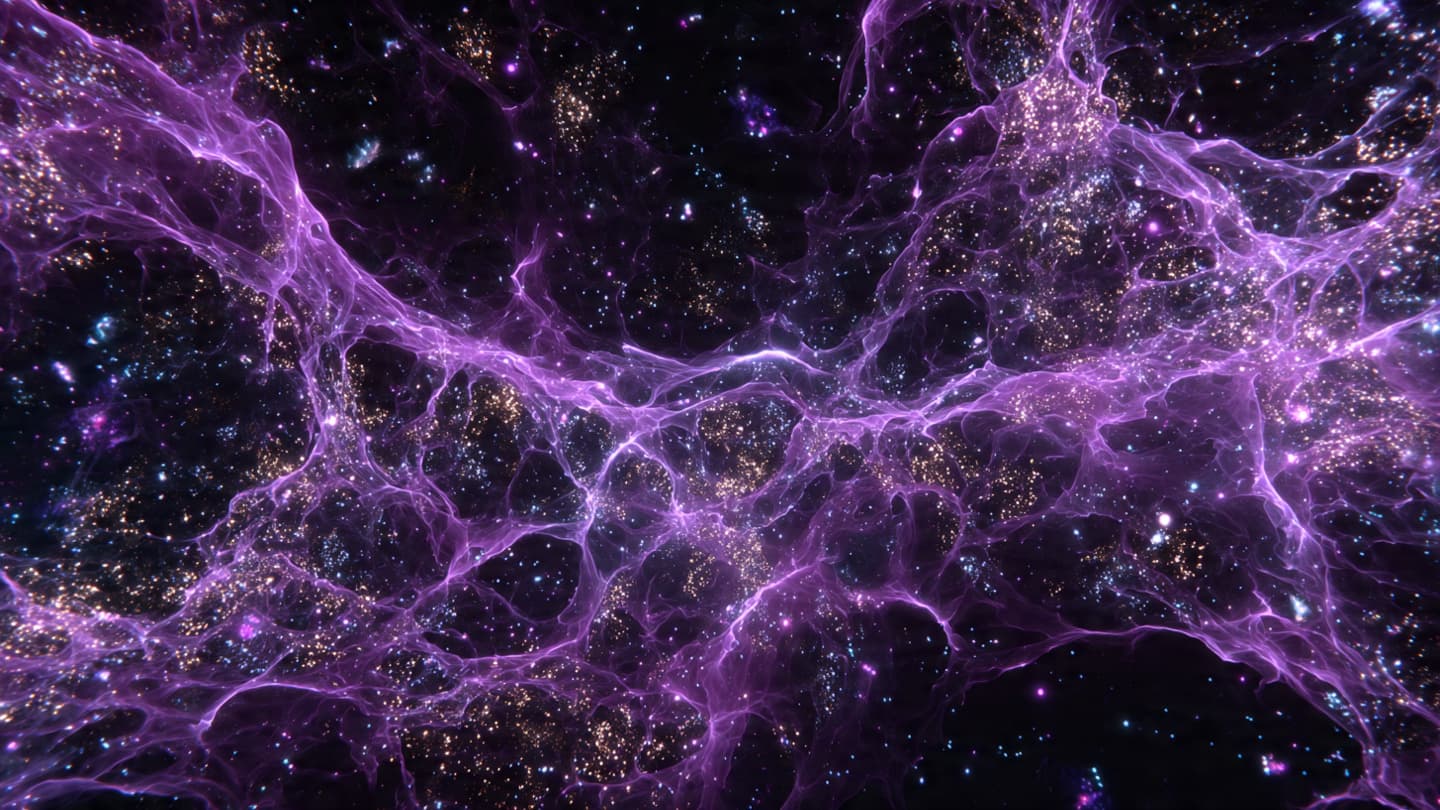
AI Image Disclaimer The visual illustrations in this article are AI-generated and are intended solely to aid conceptual understanding.
Sources Verification Check Credible sources confirmed:
Physical Review Letters CERN Live Science Nature New Scientist
Published by Banx Network. This article is part of the Banx decentralized media programme, powered by the BXE token on the XRP Ledger.