There is a quiet fascination when the universe leaves a tangible trace on our own backyards. Like an unexpected visitor from the cosmos, the meteor that found its way to Cape Cod has drawn eyes and imaginations alike, reminding us of the vastness beyond and the occasional intimacy of its reach. Its descent, silent yet profound, bridges the distance between distant stars and local sands.
The meteor that touched down in Cape Cod has been identified by NASA as primarily composed of iron, a revelation that hints at its journey through the solar system. Iron meteorites are considered remnants of planetary cores from long-vanished celestial bodies, each fragment carrying a story billions of years old. Such specimens offer not only a glimpse into cosmic history but also a material connection to processes occurring far beyond Earth’s atmosphere.
Local authorities reported no injuries or structural damage from the meteor’s landing, though it did spark curiosity among residents. Scientists from NASA’s Meteoritics division were dispatched to examine the site, carefully documenting the fragments and their immediate surroundings. The careful retrieval process ensures that the meteor can be analyzed for its composition, trajectory, and isotopic signatures, offering insight into the conditions of the early solar system.
Preliminary analysis indicates that the meteor likely entered Earth’s atmosphere at a significant speed, causing a brief streak of light in the sky before reaching the ground. Its metallic composition makes it more resilient to the intense heat and friction experienced during entry, which explains how portions of it survived the fall intact. This resilience allows scientists to study unaltered material that predates the formation of the Earth itself.
Experts emphasize that iron meteorites, while rare compared to stony types, are particularly valuable for understanding planetary differentiation and core formation. By analyzing isotopic ratios and metallic content, researchers can reconstruct aspects of the early solar system’s evolution, offering a deeper understanding of how planets—including our own—formed and changed over billions of years.
For the residents of Cape Cod, the meteor’s landing has been a moment of shared wonder. Children, amateur astronomers, and local historians alike have gathered to catch a glimpse of the fragments, turning the incident into both a scientific and communal event. It is a reminder that science is often at its most inspiring when it intersects with everyday life.
NASA’s findings also highlight the importance of monitoring near-Earth objects. While this particular meteor posed no threat, the study of incoming space debris helps refine prediction models, which may one day be crucial in safeguarding populated areas. Collaboration between local authorities and scientific agencies ensures that such discoveries are both educational and responsibly managed.
The Cape Cod meteor is now securely transported to specialized laboratories for further testing. Each measurement, each observation, adds to our growing understanding of the cosmos. What may seem like a small rock to the untrained eye is, in fact, a messenger from another world, whispering secrets of time, formation, and celestial journeys.
As the iron meteor rests under careful examination, it stands as a quiet testament to the universe’s enduring presence among us, a bridge between the stars and the shores of Cape Cod.
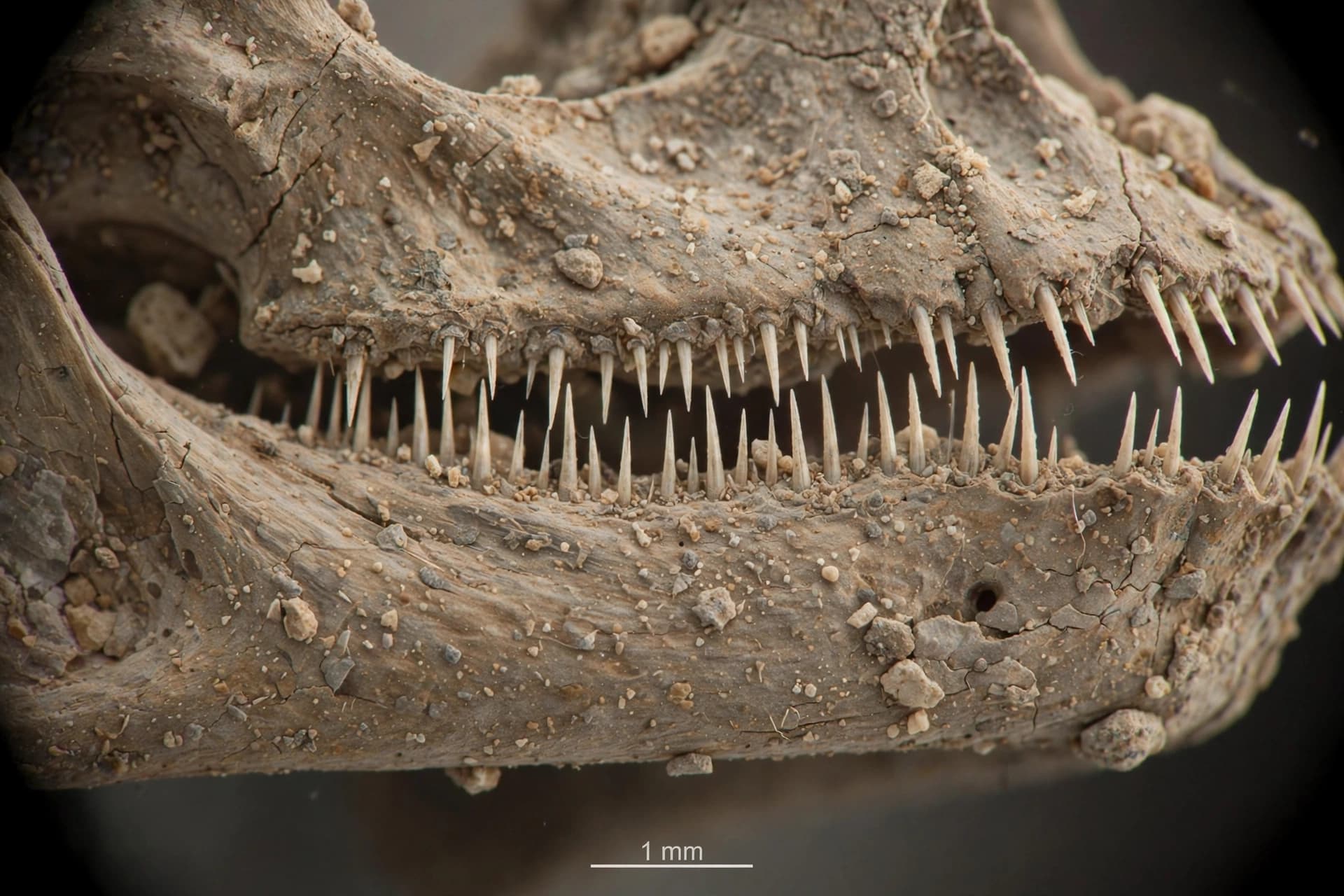
AI Image Disclaimer: The accompanying images are AI-generated visualizations based on NASA reports of the meteor.
Sources: NASA, Space.com, The Washington Post, BBC
Published by Banx Network. This article is part of the Banx decentralized media programme, powered by the BXE token on the XRP Ledger.