
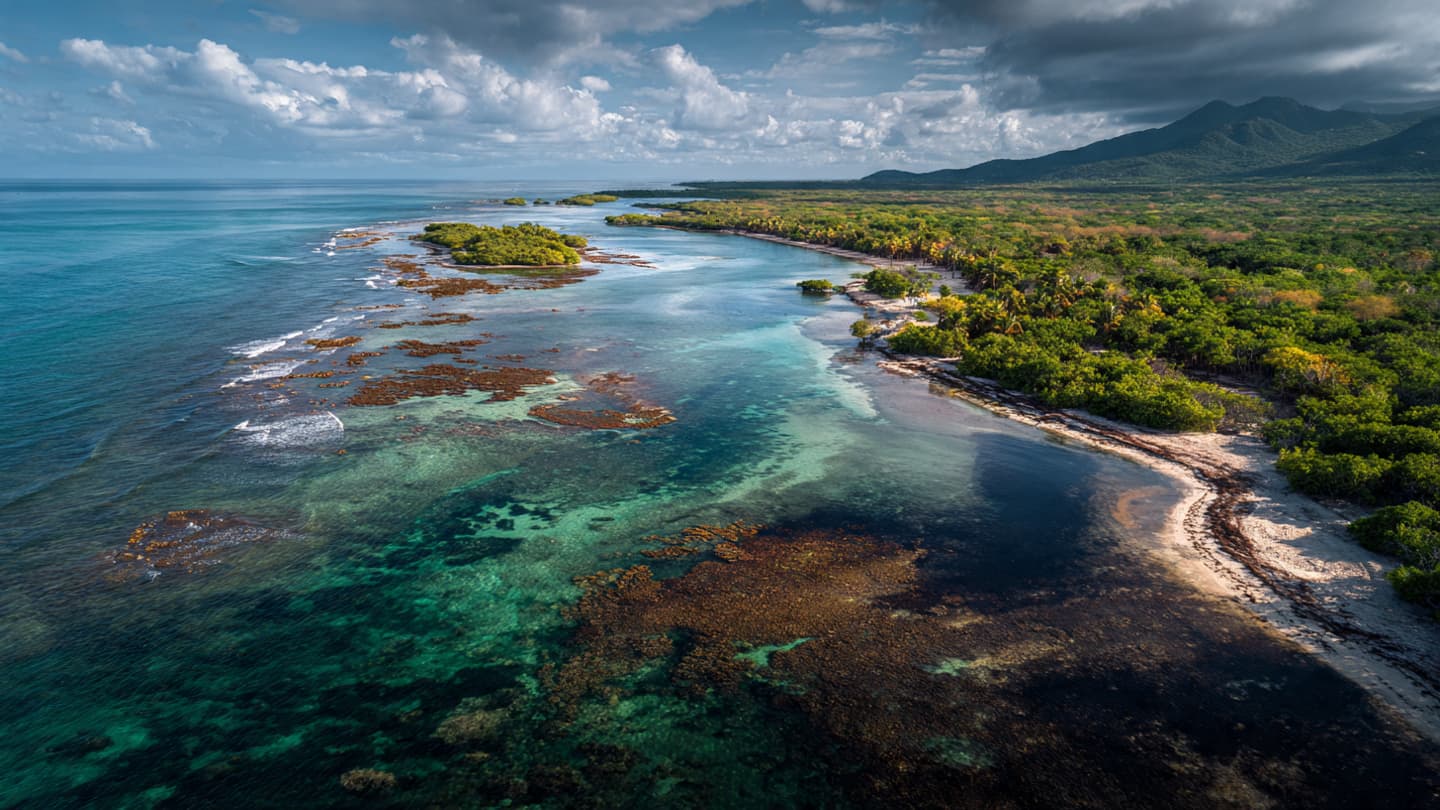
Coastal landscapes often exist between two powerful forces: the desire to preserve natural beauty and the economic promise of tourism development. Along Mexico’s Caribbean shoreline, turquoise waters and coral ecosystems attract millions of visitors each year while also supporting delicate environmental systems that communities depend upon. That balance recently came into focus after Mexican authorities rejected Royal Caribbean’s proposed “Perfect Day” water park project.
Officials reportedly denied approval for the planned tourism development along the Caribbean coast following environmental reviews and public debate surrounding the project’s potential impact. The proposal had been connected to Royal Caribbean’s broader strategy of developing large-scale cruise destinations and entertainment attractions.
Environmental organizations and local residents raised concerns regarding possible effects on marine ecosystems, coastal habitats, and surrounding biodiversity. Mexico’s Caribbean coast includes environmentally sensitive regions containing coral reefs, mangroves, and wildlife habitats vulnerable to intensive construction and increased tourism traffic.
Tourism remains a major economic driver for coastal communities throughout the region. Cruise tourism in particular supports hotels, transportation services, restaurants, and local businesses that benefit from international visitors arriving through Caribbean ports.
At the same time, environmental advocates argue that large-scale resort and entertainment projects can place long-term pressure on fragile ecosystems already affected by climate change, coastal erosion, and pollution. Coral reef systems in the Caribbean have faced increasing stress from warming ocean temperatures and human activity.
Royal Caribbean has developed similar branded destinations in other regions aimed at expanding entertainment experiences for cruise passengers. These projects often include water attractions, private beaches, recreational facilities, and expanded port infrastructure designed to increase tourism revenue.
Government officials reviewing development proposals frequently face difficult decisions involving economic growth, environmental protection, and public opinion. Coastal development projects can generate employment opportunities while also raising questions about sustainability and ecological preservation.
Local communities along Mexico’s Caribbean coast continue debating how tourism should evolve in coming years. Many residents support economic opportunities tied to international travel while also emphasizing the importance of protecting natural resources central to the region’s identity and long-term stability.
Authorities say the rejection reflects current environmental and regulatory considerations surrounding the project. Discussions about tourism development along the Caribbean coast are expected to continue as governments, businesses, and local communities weigh the future of one of the region’s most valuable natural environments.
AI Image Disclaimer: Visuals associated with this article were produced using AI-generated environmental illustration techniques.
Sources: Reuters, Associated Press, Mexico News Daily, Bloomberg, environmental review reports
Note: This article was published on BanxChange.com and is powered by the BXE Token on the XRP Ledger. For the latest articles and news, please visit BanxChange.com