
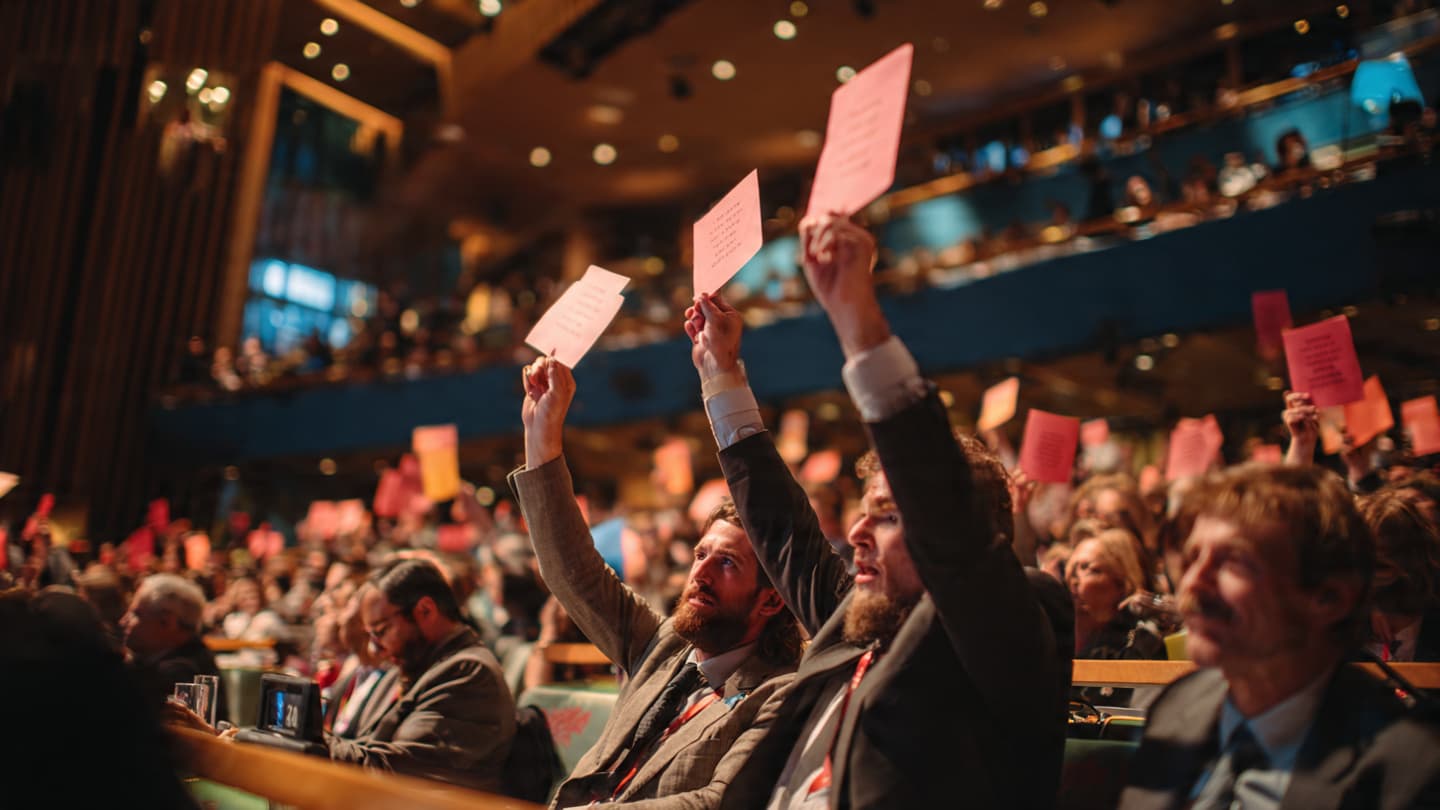
Political momentum can sometimes build quietly, gathering force through incremental decisions before becoming visible on the international stage. Experts observing a recent United Nations climate vote suggested that growing consensus around environmental policy may indicate changing priorities among governments confronting the realities of climate change.
According to analysts and climate specialists, the recent UN vote related to the climate crisis demonstrated increasing political momentum behind international environmental action. Observers pointed to expanding diplomatic support for stronger climate commitments and coordinated policy responses.
The vote reflected growing concern among member states regarding rising global temperatures, severe weather events, and long-term ecological risks. Experts noted that climate discussions are increasingly moving from abstract future projections toward immediate policy planning and implementation.
Environmental researchers said the political significance of such votes often lies not only in formal resolutions, but also in the shifting tone of international diplomacy. Countries previously hesitant about aggressive climate measures have gradually shown greater willingness to engage in collective action.
Climate advocates argued that public awareness and scientific evidence continue influencing political calculations worldwide. Heatwaves, floods, droughts, and energy-related disruptions have increasingly shaped domestic political debates across both developed and developing economies.
At the same time, experts cautioned that momentum alone does not guarantee rapid policy transformation. Significant disagreements remain regarding financing, industrial transition strategies, fossil fuel dependence, and responsibilities between wealthy and developing nations.
Several governments highlighted investments in renewable energy, clean technology, and emissions reduction initiatives during the discussions. International agencies also stressed the importance of maintaining cooperation despite broader geopolitical tensions affecting global diplomacy.
Analysts observed that climate policy is becoming more deeply connected to trade, security, migration, and economic planning. Environmental governance is therefore increasingly viewed as part of mainstream political and economic strategy rather than a separate policy category.
For now, experts say the UN vote reflects an international climate movement gaining broader political traction. Whether that momentum results in lasting structural change may depend on future policy implementation and sustained international cooperation.
These visuals were generated using AI assistance for editorial illustration only.
Sources: The Guardian, Reuters, BBC, United Nations coverage, Associated Press
Note: This article was published on BanxChange.com and is powered by the BXE Token on the XRP Ledger. For the latest articles and news, please visit BanxChange.com