
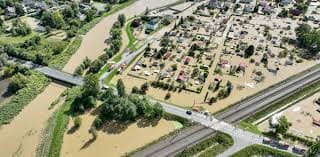
As of June 1, 2026, climate change is reshaping the risk landscape across Europe, leading to the creation of uninsurable areas due to the escalating threats posed by fires and floods. Recent studies indicate that catastrophic climate events are on the rise, resulting in substantial economic losses and highlighting the inadequacies of current insurance models to cope with such risks.
Historically, Europe has witnessed various extreme weather phenomena, with wildfires now more prevalent than before, particularly in Southern regions. In 2023 alone, over 500,000 hectares were burned, resulting in significant ecological and economic ramifications. The increasing temperatures linked to climate change mean that conditions supportive of wildfires have become more common, leading to greater instances of severe destruction.
Flood risks are also escalating, with a notable surge in heavy precipitation events linked to climate change. Reports indicate that these events are now nine times more likely to occur due to altered weather patterns. As a result, areas that previously remained dry are now susceptible to sudden flooding, exacerbating the potential for economic damages and infrastructure loss.
The combined effects of wildfires and floods are creating a daunting cycle for insurance providers. Areas previously deemed insurable are now seeing premiums soar or coverage become entirely unavailable. This transition is particularly evident in regions that have experienced consecutive climate disasters. Insurance companies are reevaluating risk assessments as they confront rising payouts and diminished profits.
Moreover, reports show that between 1980 and 2024, weather-related extreme events induced an estimated €822 billion in economic losses across the EU, intensifying pressures on public finances and rising insurance costs. With scientific projections indicating that these patterns will not only continue but worsen, many fear that it will become increasingly difficult to secure affordable and adequate coverage.
The European Union is currently advocating for stronger resilience and adaptation strategies to combat these effects. Initiatives include investment in infrastructure, enhancing emergency preparedness, and fostering community awareness about risks associated with climate change.
However, experts warn that without significant shifts in policy and heightened commitment to sustainability, many regions may face long-term destabilization, threatening livelihoods and exacerbating social inequalities. As climate change continues to evolve, the urgent need for comprehensive, adaptive solutions has never been clearer, setting the stage for discussions on how societies can safeguard their futures amidst these growing uncertainties.
Note: This article was published on BanxChange.com and is powered by the BXE Token on the XRP Ledger. For the latest articles and news, please visit BanxChange.com