
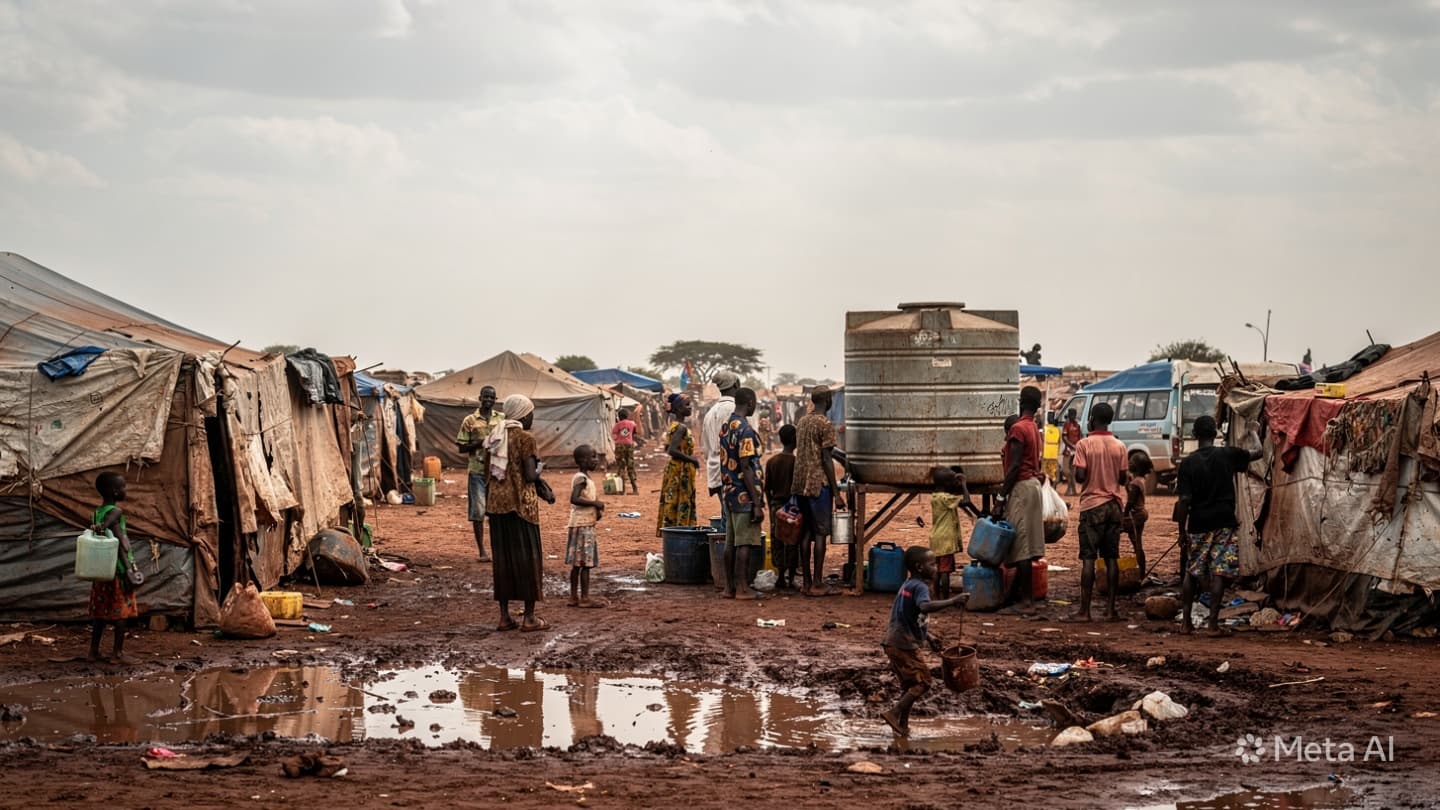
Juba, South Sudan—Waterborne diseases are claiming lives at an alarming frequency within the makeshift settlements housing thousands of displaced people. Cholera, a disease rooted in a lack of clean water and sanitation, has found a foothold in these overcrowded camp environments. The latest reports confirm that fatalities are occurring, leaving families to struggle in conditions that make hygiene nearly impossible. The sheer density of these camps means that a single case can become a widespread threat.
The camp infrastructure is failing to keep pace with the needs of the population. Latrines are overflowing, and the water sources are frequently contaminated by surface runoff and poor waste management practices. Aid workers are scrambling to install temporary filtration systems, but the demand far outstrips the available capacity. Families are often forced to choose between drinking unsafe water or going without hydration entirely.
Medical facilities inside these camps are being pushed to their absolute limits. They are reporting a steady stream of patients exhibiting acute symptoms, requiring intensive rehydration therapy that the staff is struggling to provide. Supplies of oral rehydration salts and intravenous fluids are being depleted much faster than they can be replenished. The mortality rate remains a primary concern for the clinicians on the front lines.
Many of the fatalities are concentrated among the most vulnerable groups in the camps, particularly young children. The rapid loss of fluids caused by the disease can lead to shock and death in a matter of hours if treatment is not immediate. Despite the efforts to isolate patients, the layout of the settlements prevents effective containment. Every new case is a stark reminder of the underlying infrastructure failure.
Local authorities and international organizations are currently trying to coordinate a mass immunization effort. However, these initiatives are hindered by the same logistical challenges that plague every aspect of the humanitarian response in the country. Poor roads, damaged bridges, and security incidents create delays that the disease does not respect. Vaccination is only part of the solution when the environment itself is a carrier of the pathogen.
There is significant anxiety among the displaced population about what the coming weeks will hold. The rainy season threatens to make the sanitation situation even more volatile, potentially spreading the contamination further. Many have reached a point of exhaustion, having been displaced multiple times already. They now face the secondary tragedy of a disease that is entirely preventable under better circumstances.
Funding for water, sanitation, and hygiene programs has been inconsistent throughout the first half of 2026. This lack of sustained investment has left many of these camps without the basic safeguards required to stop a cholera outbreak in its tracks. The current response remains trapped in a pattern of crisis management rather than long-term prevention.
The situation remains unresolved as aid agencies continue to assess the scope of the threat. The focus is currently on maintaining the existing treatment centers and hoping that the surge in cases can be blunted. There are no signs that the conditions in these camps will improve in the immediate future, leaving the threat of further fatalities present.
Published by Banx Network. This article is part of the Banx decentralized media programme, powered by the BXE token on the XRP Ledger.
.jpg&w=3840&q=75 "Blake Lively Awarded $400,000 in Legal Fees After Justin Baldoni Lawsuit Dismissed")

