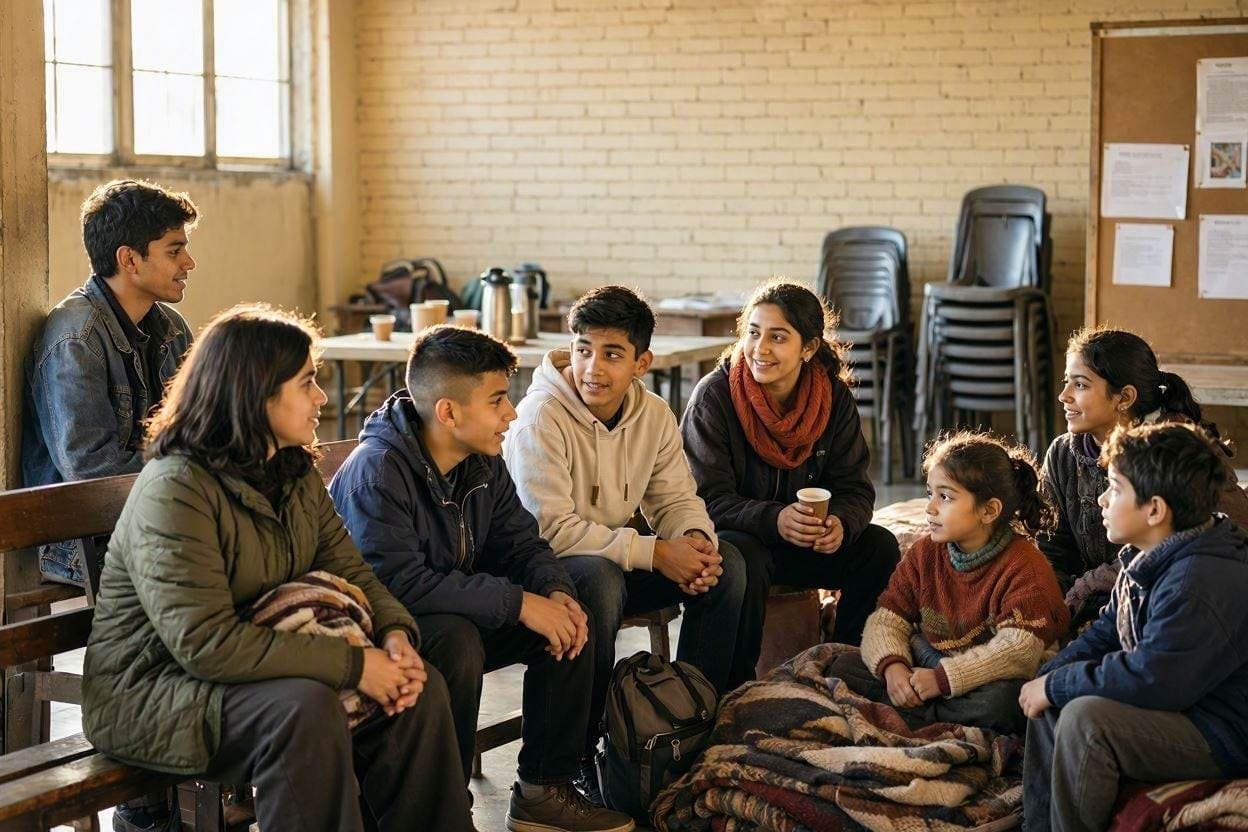
Ceuta, a Spanish enclave on the northern coast of Africa, is a place where continents meet and histories collide. Recently, it became the focal point of a humanitarian challenge as hundreds of unaccompanied migrant minors arrived after crossing the border. The sudden influx has overwhelmed local resources, prompting authorities to seek the transfer of these children to mainland Spain. This request highlights the strain on border regions and the complex ethical obligations Europe faces in managing migration. It is a situation that demands compassion, coordination, and swift action.
The border rush, which occurred in late July 2026, saw young boys and teenagers swimming around breakwaters or climbing fences to enter the city. Many were fleeing poverty, conflict, or instability in their home countries. Upon arrival, they were taken into care by local social services, but the facilities were quickly filled to capacity. Ceuta, with a population of around 85,000, lacks the infrastructure to provide long-term support for such a large number of minors.
Local officials have appealed to the central government in Madrid for assistance, requesting the redistribution of the children to other regions. They argue that the burden should not fall solely on one small territory. The Ministry of Social Rights has acknowledged the urgency and is working on a plan to facilitate transfers. However, logistical and bureaucratic hurdles often slow down such processes, leaving children in temporary shelters for longer than ideal.
The welfare of these minors is the primary concern. International law requires that unaccompanied children be protected and provided with adequate care, education, and legal representation. NGOs and volunteer groups in Ceuta have stepped in to help, offering food, clothing, and companionship. Their efforts are commendable, but they cannot replace the need for a structured, state-led response.
The broader context of migration to Europe remains contentious. Political debates often focus on border control and asylum policies, sometimes overlooking the human element. The children in Ceuta are not just statistics; they are individuals with dreams and fears. Their treatment reflects the values of the society that receives them. Ensuring their dignity and safety is a moral imperative.
As transfers begin, the hope is that the children will find stable environments where they can heal and thrive. Integration programs, language classes, and psychological support are essential for their future. The challenge is not just to house them, but to welcome them. Ceuta’s plea is a reminder that migration is a shared responsibility, requiring solidarity across borders.
The situation in Ceuta underscores the urgent need for a coordinated European approach to unaccompanied migrant minors. As transfers to mainland Spain proceed, the focus must remain on the well-being of the children. Compassion and efficiency must go hand in hand to address this humanitarian challenge.
AI Image Disclaimer: The images provided are AI-generated to visually represent the humanitarian and social aspects of the story.
Sources: El País Euronews The Guardian
Note: This article was published on BanxChange.com and is powered by the BXE Token on the XRP Ledger. For the latest articles and news, please visit BanxChange.com