
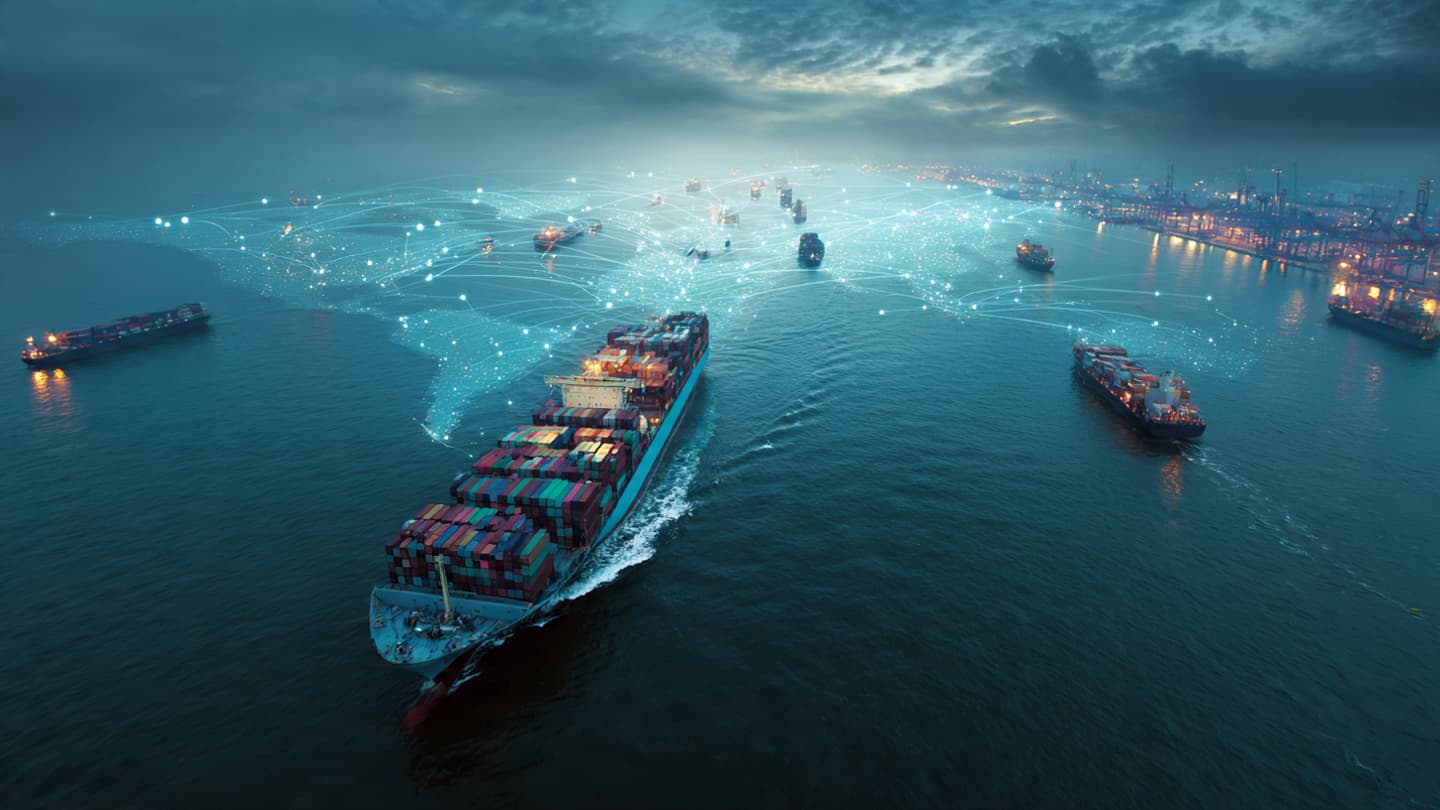
For centuries, trade has connected distant communities long before technology made communication instantaneous. Ships crossed oceans carrying goods, ideas, and opportunities. Today, although the vessels may be larger and the networks more sophisticated, the principle remains unchanged: prosperity often depends on the ability of nations to exchange what they produce and what they need.
France and its European partners are increasingly focused on preserving stability within the global trading system. As economic uncertainty continues to influence markets, policymakers are examining how international cooperation can support reliable commerce and sustainable growth.
Recent years have demonstrated how vulnerable global trade can be to disruption. Supply chain interruptions, transportation bottlenecks, and shifting economic conditions have affected industries across multiple continents. These experiences have encouraged governments to think more carefully about resilience and long-term planning.
Trade stability is not simply about moving goods efficiently. It also involves predictable rules, transparent regulations, and confidence among businesses making investment decisions. When uncertainty increases, companies often become more cautious, potentially slowing economic activity and expansion.
France has argued that international dialogue remains essential for maintaining confidence in the global economy. Open communication can help reduce misunderstandings and encourage cooperation among countries with differing priorities and interests.
European economies depend heavily on international commerce. Manufacturers rely on imported components, exporters seek access to overseas markets, and consumers benefit from diverse products sourced from around the world. As a result, stability within the trading system carries significant economic importance.
Technology is adding new dimensions to trade policy. Digital services, data flows, artificial intelligence, and advanced manufacturing are reshaping traditional economic relationships. Policymakers must now consider not only physical goods but also the infrastructure supporting the digital economy.
Business leaders broadly support efforts to improve predictability within international markets. Companies often invest over long time horizons, making stability an important factor in strategic planning. Clear frameworks can encourage innovation, expansion, and cross-border partnerships.
Observers note that global trade has historically demonstrated remarkable resilience. Despite periods of disruption, economic networks have repeatedly adapted to changing circumstances. The challenge today lies in ensuring that those networks remain flexible enough to withstand future shocks.
As discussions continue, France and its European partners are seeking ways to strengthen confidence in international commerce. The objective is not merely to respond to current challenges but to create conditions that support growth, cooperation, and opportunity in the years ahead.
AI IMAGE DISCLAIMER Visuals are created with AI tools and are not real photographs.
SOURCES Reuters, Financial Times, Bloomberg, AFP, The Wall Street Journal
Note: This article was published on BanxChange.com and is powered by the BXE Token on the XRP Ledger. For the latest articles and news, please visit BanxChange.com