Few inventions have transformed the world as profoundly as aviation. Aircraft have shortened distances, connected economies, and made international travel an ordinary part of modern life. Yet as societies seek to reduce environmental impacts, the aviation sector faces an important challenge: how to continue growing while lowering emissions. In France, companies are increasingly focusing on sustainable aviation fuel as part of the answer.
Sustainable aviation fuel, often referred to as SAF, is designed to reduce lifecycle emissions compared with conventional jet fuel. Produced from a variety of feedstocks and advanced technologies, SAF has become a central element of efforts to support cleaner air transportation without requiring entirely new aircraft fleets.
French energy and industrial firms are expanding investments in this area. The objective is to increase production capacity while supporting broader environmental goals. Industry participants believe sustainable fuels can play an important role during the transition toward lower-emission aviation.
The opportunity extends beyond environmental considerations. Developing domestic SAF production could create economic benefits through manufacturing activity, technological innovation, and supply-chain development. New facilities often require engineering expertise, construction services, and specialized industrial processes.
Airlines are closely monitoring progress. Many carriers have established targets related to emissions reduction and view sustainable fuel as one of the most practical tools currently available. Increased production capacity could improve accessibility while helping reduce costs over time.
Governments across Europe have also encouraged investment through policy initiatives and long-term planning frameworks. These efforts aim to support industrial development while helping transportation sectors adapt to evolving environmental expectations.
Technology remains a key factor in the industry's future. Researchers continue exploring new production methods capable of improving efficiency and increasing output. Advances in feedstock utilization and processing technologies may further strengthen the sector's competitiveness.
Investors have shown growing interest in projects linked to sustainable aviation. The combination of environmental relevance and industrial opportunity has attracted attention from companies seeking participation in emerging energy markets.
Despite optimism, challenges remain. Production volumes are still limited compared with conventional fuel demand, and scaling operations requires substantial capital investment. Industry participants acknowledge that continued innovation will be necessary to meet future objectives.
As French companies accelerate their efforts, sustainable aviation fuel is emerging as more than a niche technology. It represents an attempt to reconcile mobility, economic growth, and environmental responsibility. The aircraft of tomorrow may look similar to those flying today, but the fuel powering them could tell a very different story.
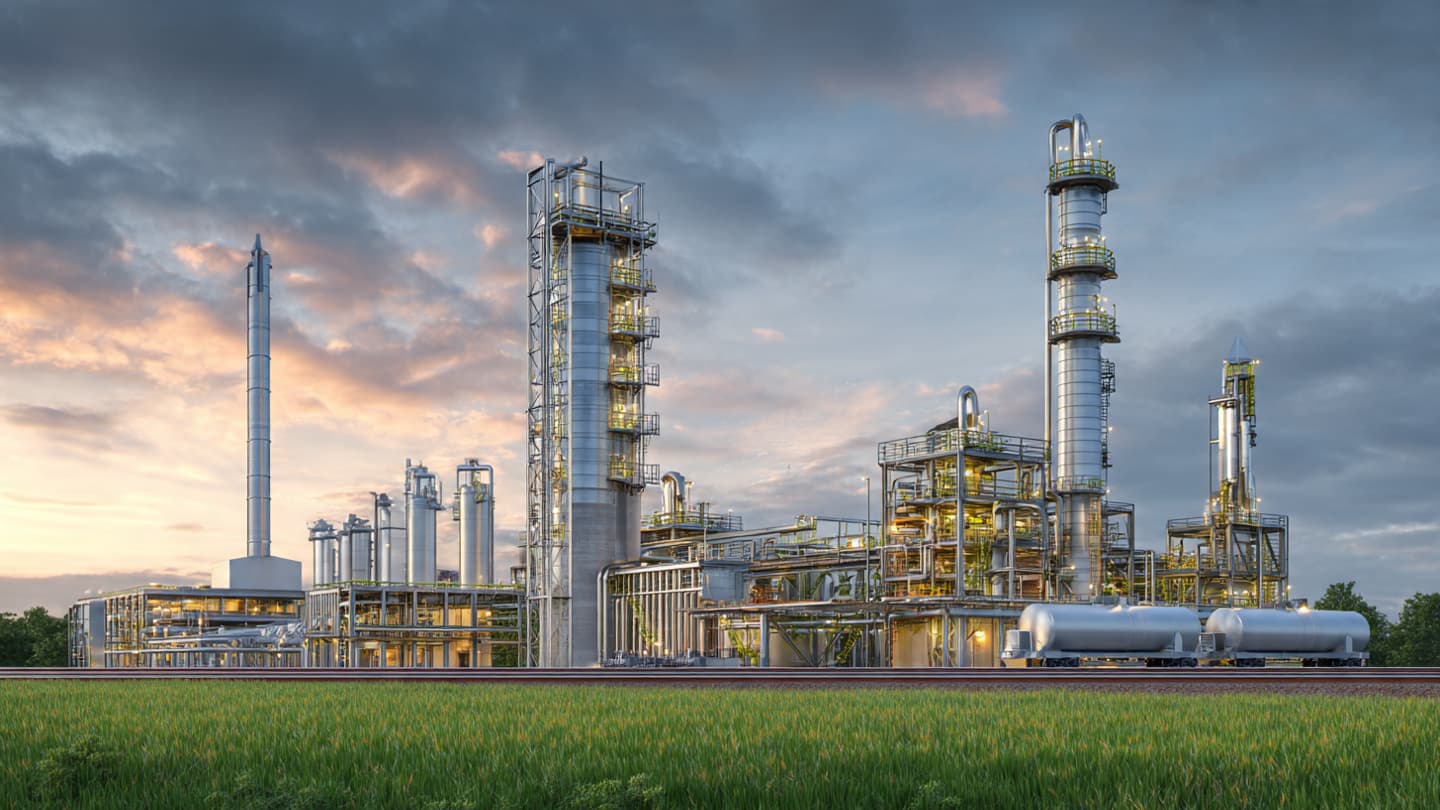
AI IMAGE DISCLAIMER Illustrations were produced with AI and serve as conceptual depictions.
SOURCES Reuters, Bloomberg, Financial Times, AFP, Aviation Week
Published by Banx Network. This article is part of the Banx decentralized media programme, powered by the BXE token on the XRP Ledger.