Infrastructure is often compared to the roots of a tree—largely unseen yet essential to sustaining growth and stability. Within the energy sector, infrastructure plays an especially important role, supporting production, transportation, distribution, and economic activity. Recent reports indicating signs of recovery across portions of Iran’s energy infrastructure have therefore attracted significant attention from businesses, analysts, and international markets.
Energy systems serve as the backbone of modern economies. Industrial production, transportation networks, public services, and commercial operations all depend on reliable access to energy resources. Improvements within this sector can influence economic performance far beyond the facilities where energy is produced or distributed.
Recent developments suggest increasing operational activity across parts of the energy network. Enhanced logistics, maintenance efforts, and infrastructure management have contributed to a more stable outlook. While challenges remain, these signs of recovery have been interpreted positively by many market observers.
The energy sector occupies a particularly important position within Iran’s economy. As one of the country's major industries, it supports employment, generates revenue, and facilitates international trade. Improvements in infrastructure can therefore create benefits that extend across multiple economic sectors.
Market participants have responded with cautious optimism. Reliable infrastructure often reduces uncertainty regarding production capacity and transportation efficiency. For investors and businesses, predictability can support planning, investment decisions, and long-term strategic initiatives.
The recovery process also highlights the importance of modernization. Energy systems worldwide continue to evolve through technological innovation, improved efficiency, and enhanced sustainability measures. Investments in infrastructure can help strengthen competitiveness while supporting future growth opportunities.
International energy markets are closely monitoring developments. Stable operations contribute to confidence in supply chains and logistics networks, both of which influence market expectations. While global energy conditions depend on numerous factors, infrastructure improvements are generally viewed as constructive.
Economists note that infrastructure projects frequently generate secondary benefits throughout the economy. Construction activity, engineering services, equipment manufacturing, and transportation providers often participate in large-scale development initiatives. As a result, investment in energy systems can stimulate broader economic activity.
As signs of recovery continue to emerge, Iran’s energy infrastructure remains an important area of focus for businesses and policymakers alike. The progress achieved thus far may represent only one step within a longer process, yet it reflects a broader commitment to strengthening the foundations upon which future economic growth depends.
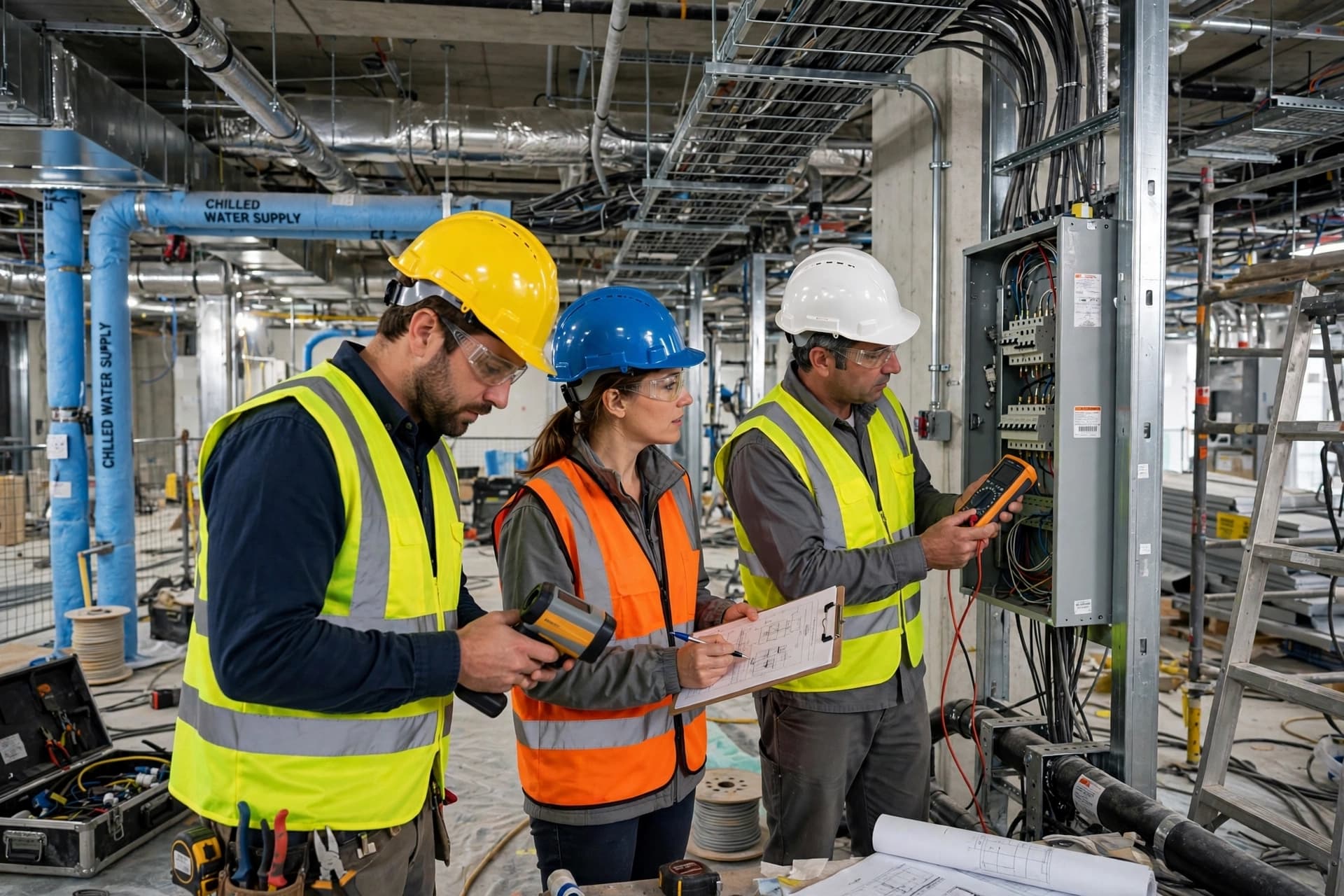
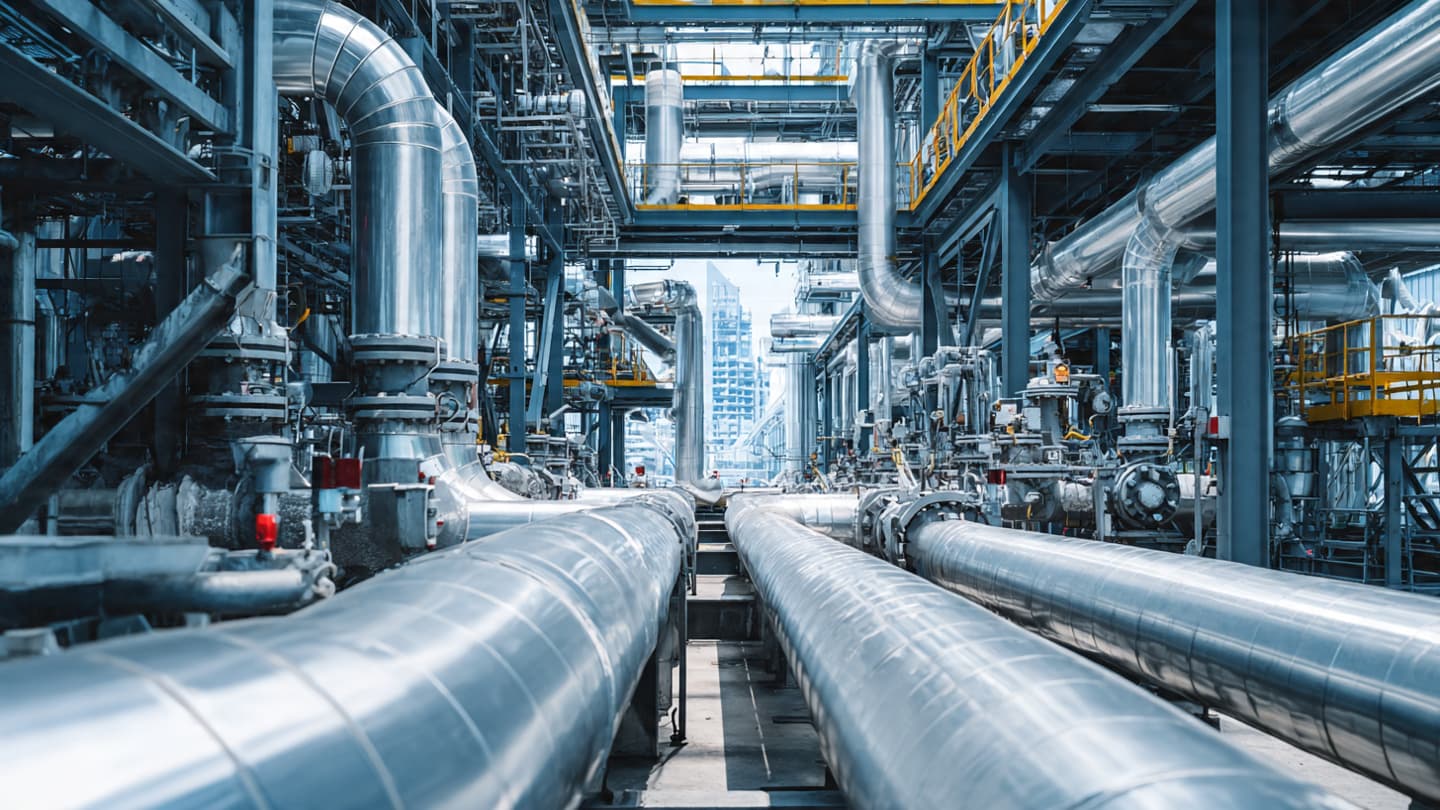
AI Image Disclaimer Images in this article are AI-generated illustrations, meant for concept only.
Source Check Reuters Bloomberg Financial Times The Guardian Associated Press
Published by Banx Network. This article is part of the Banx decentralized media programme, powered by the BXE token on the XRP Ledger.