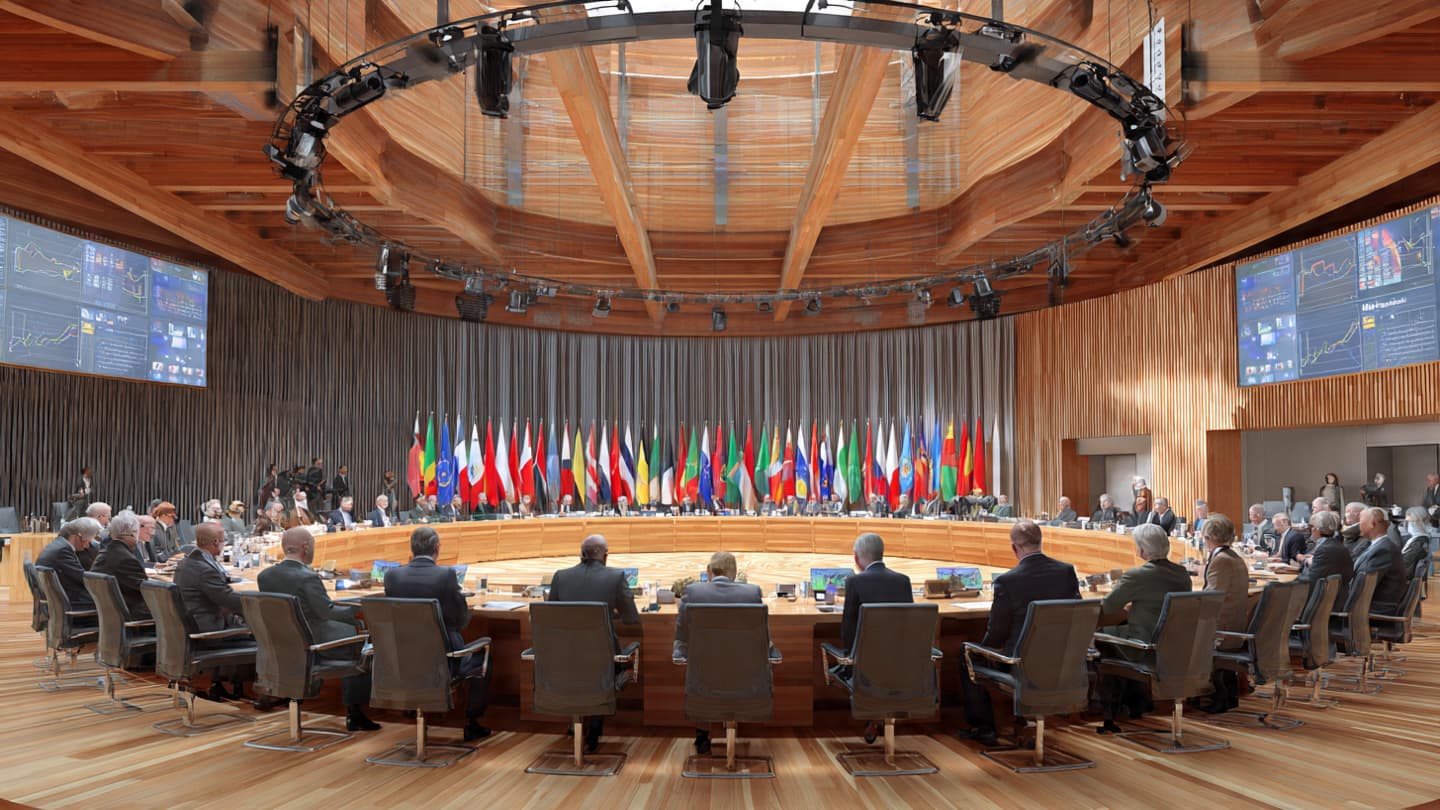
Every generation inherits institutions designed for a different era. Some remain remarkably resilient, while others require adaptation as the world around them evolves. This reality formed the backdrop for discussions led by France during the G7 Summit, where the reform of the international financial architecture emerged as a significant topic.
The phrase may sound technical, yet its implications reach into everyday life. International financial institutions influence lending, development projects, economic stability, and responses to crises. Their effectiveness often shapes how countries navigate periods of uncertainty and growth.
France argued that today's global challenges differ considerably from those faced when many financial frameworks were originally established. Climate adaptation, technological transformation, supply chain resilience, and emerging market development now occupy a more prominent place within international economic discussions.
Supporters of reform emphasize the need for institutions capable of responding quickly to changing conditions. Economic shocks can spread rapidly across borders, making flexibility and coordination increasingly valuable. Modernization efforts often focus on improving efficiency while maintaining confidence in global systems.
Developing economies remain an important part of the conversation. Many countries seek greater access to financing for infrastructure, sustainability initiatives, and technological development. Policymakers continue debating how international institutions can better support these objectives.
The discussions also touched on financial resilience. Recent years have demonstrated how interconnected markets can transmit both opportunities and risks. Strengthening international cooperation may help reduce vulnerabilities and improve preparedness for future disruptions.
France's position reflects a broader belief that global institutions must evolve alongside the economies they serve. Reform is often viewed not as a rejection of existing structures but as an effort to preserve their relevance in a changing environment.
Observers noted that achieving consensus on such issues can be challenging. Different countries possess different priorities and perspectives regarding governance, financing mechanisms, and economic strategy. Nevertheless, ongoing dialogue remains a crucial part of the process.
As leaders concluded their discussions, no immediate transformation appeared on the horizon. Yet the conversation itself underscored an important reality: the global economy continues to change, and institutions must adapt accordingly. France's call for reform reflects an effort to ensure that international financial systems remain effective in the decades ahead.
AI Image Disclaimer Visuals are created with AI tools and are not real photographs.
Source Check Credible sources identified:
Reuters OECD World Bank International Monetary Fund (IMF) Financial Times
Note: This article was published on BanxChange.com and is powered by the BXE Token on the XRP Ledger. For the latest articles and news, please visit BanxChange.com