
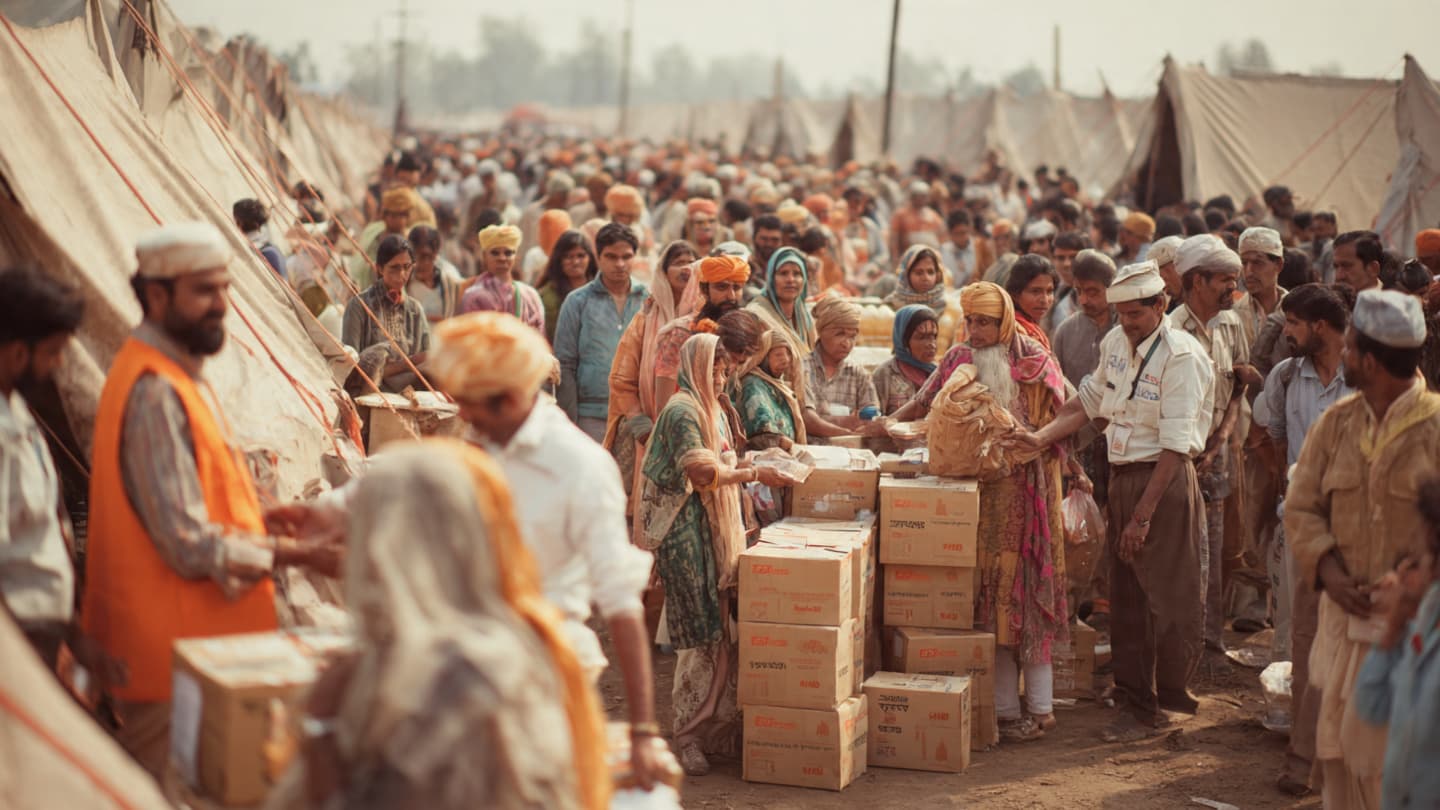
Humanitarian crises often develop far from the attention of daily headlines, yet their consequences shape the lives of millions. In Sudan, ongoing instability has contributed to one of the world’s most significant humanitarian challenges, prompting renewed international efforts to provide assistance and support. France has joined these efforts, backing initiatives designed to strengthen humanitarian responses and improve aid delivery to affected communities.
The situation in Sudan remains complex. Humanitarian organizations continue to report significant needs related to food security, healthcare, displacement, and access to essential services. Civilians in many areas face difficult conditions, creating a sustained demand for international assistance and coordinated relief efforts.
France’s support reflects a broader recognition among governments and international institutions that humanitarian needs require immediate attention. Assistance programs typically involve cooperation among donor countries, relief agencies, and multilateral organizations working to address urgent challenges on the ground.
Delivering aid in such environments is rarely straightforward. Security concerns, logistical obstacles, and infrastructure limitations can complicate relief operations. Humanitarian organizations must often navigate challenging circumstances while attempting to ensure that assistance reaches vulnerable populations efficiently and safely.
International initiatives aim not only to provide emergency support but also to strengthen coordination among organizations involved in relief efforts. Improved cooperation can enhance resource allocation, reduce duplication, and increase the overall effectiveness of humanitarian programs.
France has long participated in humanitarian operations through partnerships with international agencies and development organizations. Such involvement reflects a commitment shared by many countries to support populations affected by conflict, instability, and humanitarian emergencies.
The Sudan crisis has also highlighted broader concerns regarding regional stability and development. Humanitarian challenges frequently intersect with economic, social, and political issues, creating complex situations that require both immediate relief and longer-term engagement. While humanitarian assistance addresses urgent needs, sustainable progress often depends on broader efforts aimed at stability and recovery.
Observers emphasize that international attention remains essential. Humanitarian operations require funding, logistical support, and diplomatic engagement to remain effective. Continued commitment from donor countries and institutions helps ensure that relief efforts can be sustained over time.
Despite difficult circumstances, humanitarian organizations continue their work across Sudan, often under demanding conditions. Their efforts underscore the importance of international solidarity during periods of crisis and the role that cooperation can play in alleviating suffering.
As France supports new initiatives aimed at strengthening humanitarian responses, the focus remains on assisting those most affected by ongoing challenges. While the road toward stability may be long, humanitarian action represents an important step in addressing immediate needs and supporting communities facing extraordinary circumstances.
AI IMAGE DISCLAIMER
Images in this article are AI-generated illustrations, meant for concept only.
SOURCE CHECK
Reuters United Nations AFP France 24 International Committee of the Red Cross
Note: This article was published on BanxChange.com and is powered by the BXE Token on the XRP Ledger. For the latest articles and news, please visit BanxChange.com