The path of a product is often longer than it appears. A mineral extracted from the earth may travel through processing plants, factories, shipping routes, and retail channels before reaching its final destination. Along that journey, value is added at every stage. Increasingly, nations seek not only to supply resources but also to participate in more of those value-creating activities.
Indonesia has made industrial downstreaming a central element of its economic strategy. The approach aims to strengthen the country’s position within global supply chains by encouraging domestic processing and manufacturing rather than relying primarily on raw material exports.
The concept is straightforward in principle. When resources undergo additional processing before export, more economic value can remain within the country. Manufacturing activities often support employment opportunities, technology transfer, infrastructure investment, and broader industrial development.
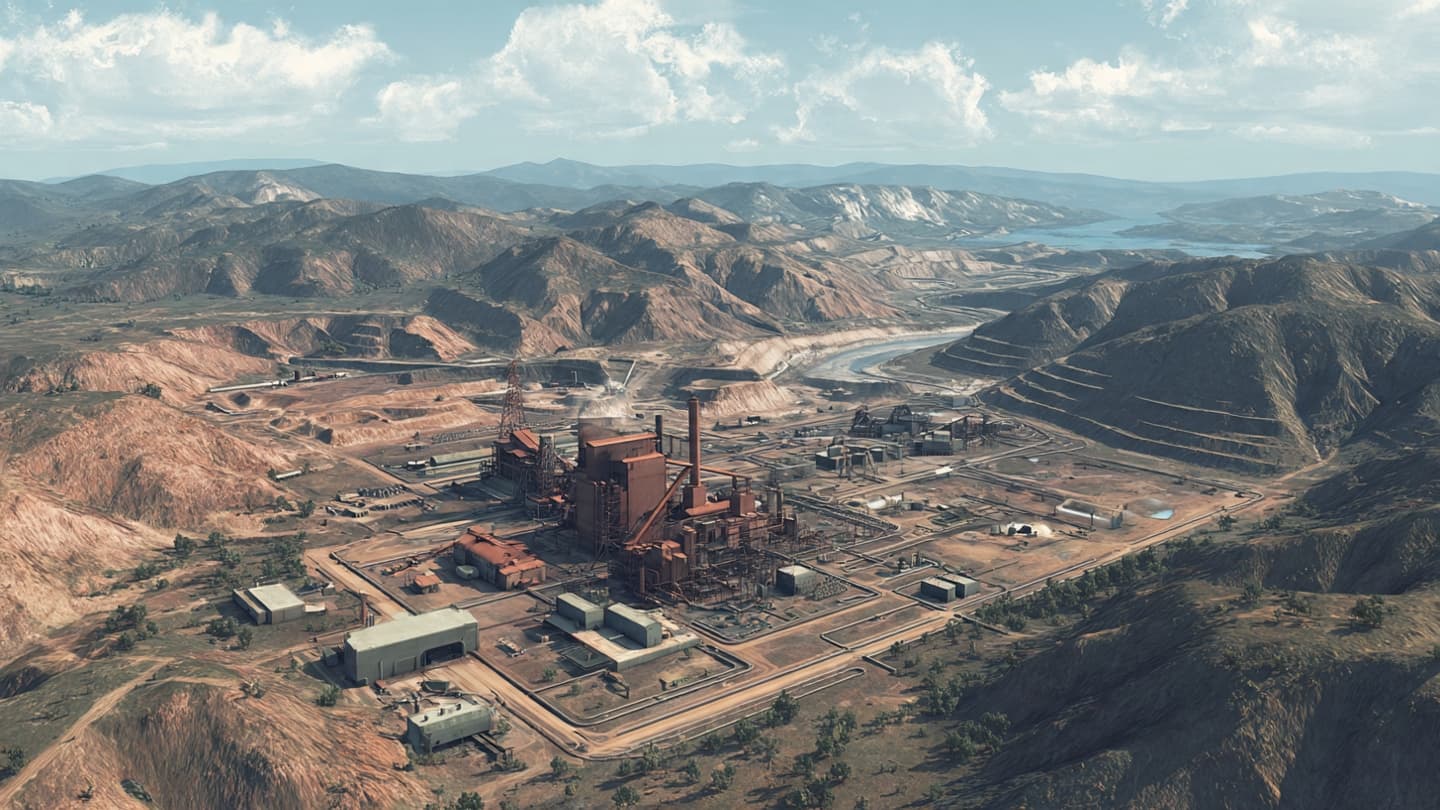
Several sectors have become focal points for these efforts. Mineral processing, battery production, metals manufacturing, and related industries are among the areas receiving increased attention. Policymakers view these sectors as opportunities to expand participation in high-value segments of international supply chains.
Global demand trends support many of these ambitions. Industries connected to electric vehicles, renewable energy technologies, and advanced manufacturing require substantial quantities of processed materials. Countries capable of supplying these inputs may benefit from growing international demand.
Investors have responded with interest. Industrial projects involving refining facilities, manufacturing plants, and supporting infrastructure continue attracting attention from domestic and international stakeholders. Such investments contribute not only capital but also expertise and technological capabilities.
Infrastructure development remains a critical factor. Efficient ports, transportation networks, energy systems, and industrial zones help determine competitiveness within global supply chains. Continued improvements in these areas may enhance Indonesia’s ability to attract further industrial activity.
Workforce development is equally important. Expanding manufacturing capabilities requires skilled technicians, engineers, managers, and researchers capable of supporting increasingly sophisticated operations. Education and training initiatives therefore play an important supporting role.
Economic observers note that integration into global supply chains requires both competitiveness and reliability. Buyers and manufacturers seek suppliers capable of maintaining quality standards, operational efficiency, and dependable delivery schedules. These factors influence long-term market relationships.
Indonesia’s downstreaming strategy represents an effort to capture a greater share of value within an increasingly interconnected world economy. The process will require investment, coordination, and patience, but the objective is clear: transforming natural resources into broader industrial opportunities while strengthening the nation’s role in global commerce.
AI Image Disclaimer Graphics are AI-generated and intended for representation, not reality.
Sources Reuters World Bank ANTARA Nikkei Asia Business Indonesia
Published by Banx Network. This article is part of the Banx decentralized media programme, powered by the BXE token on the XRP Ledger.