
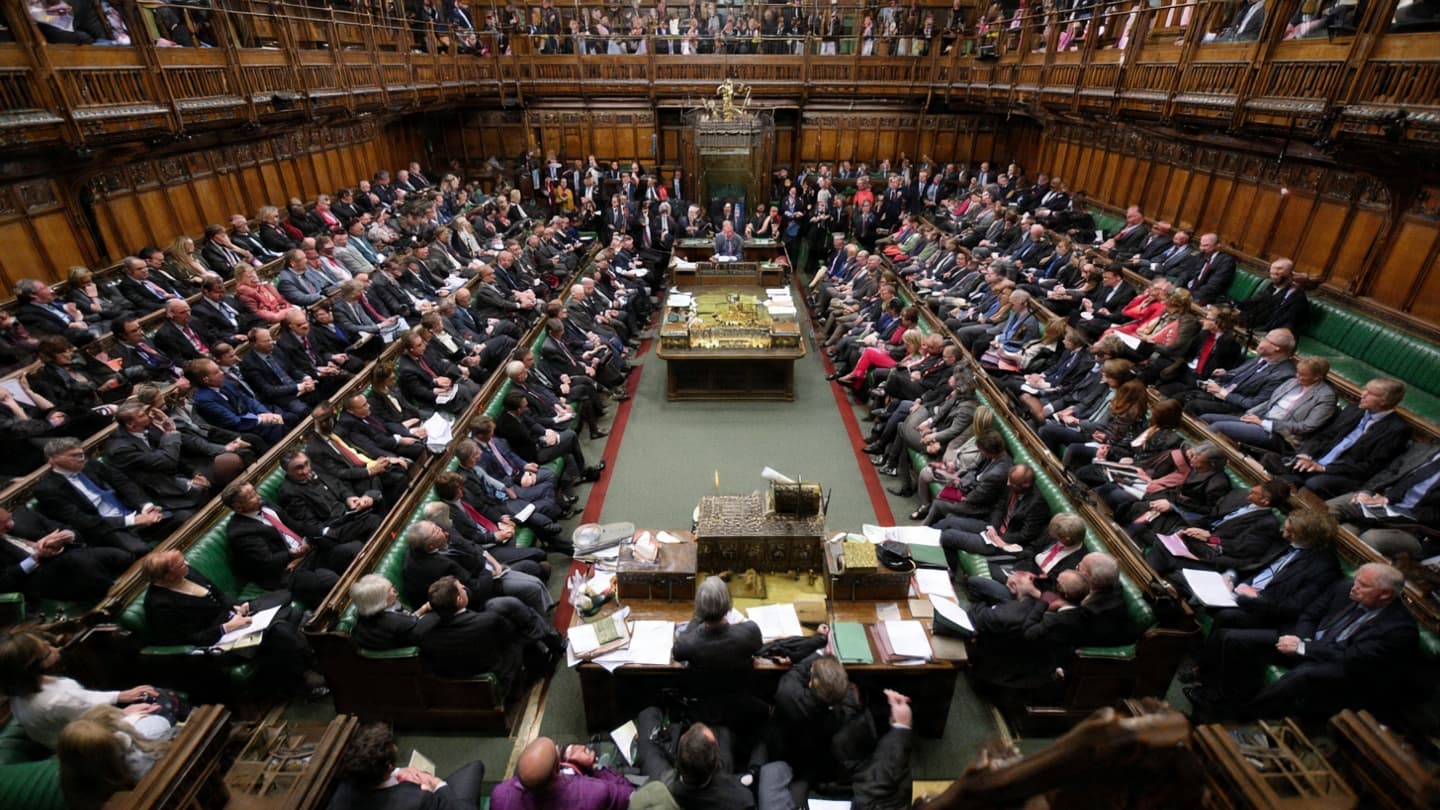
Like a nation balancing on a narrow bridge between principle and practicality, Britain continues to wrestle with the costs of its international commitments. Support for Ukraine has become one of the defining elements of British foreign policy since Russia's full-scale invasion in 2022, yet debates about affordability and long-term sustainability are growing louder across the political spectrum.
Recent political commentary surrounding Prime Minister Keir Starmer's leadership has revived questions about whether the United Kingdom can sustain extensive support for Ukraine while addressing domestic economic pressures. Critics argue that rising public spending demands, sluggish economic growth, and strained public services have intensified scrutiny over defense commitments.
The United Kingdom has remained among Ukraine's most significant military and diplomatic supporters, providing weapons, training, humanitarian aid, and financial assistance. Successive governments have maintained broad cross-party support for Kyiv, viewing assistance as essential to European security.
However, economists and policy analysts note that Britain faces substantial fiscal challenges. Public finances remain under pressure from healthcare costs, infrastructure needs, inflationary aftereffects, and defense modernization programs.
Government officials have repeatedly insisted that support for Ukraine remains affordable and strategically necessary. They argue that assisting Kyiv today may help prevent broader instability in Europe in the future, potentially avoiding even greater costs.
Public opinion surveys continue to show significant support for Ukraine, although some polling indicates growing concern about domestic priorities and government spending. Political leaders across parties increasingly face the challenge of balancing international obligations with voter expectations at home.
Defense specialists emphasize that Britain's debate mirrors broader discussions occurring throughout Europe, where governments are reassessing military spending amid evolving security threats.
As Britain approaches future budget decisions, policymakers are likely to continue weighing strategic commitments against economic realities. The conversation reflects not only the cost of war abroad, but also the difficult choices facing governments in uncertain times.
AI Image Disclaimer: This article includes AI-generated illustrations intended solely for editorial purposes.
Sources: Reuters, BBC News, Financial Times, The Economist, Responsible Statecraft
Note: This article was published on BanxChange.com and is powered by the BXE Token on the XRP Ledger. For the latest articles and news, please visit BanxChange.com