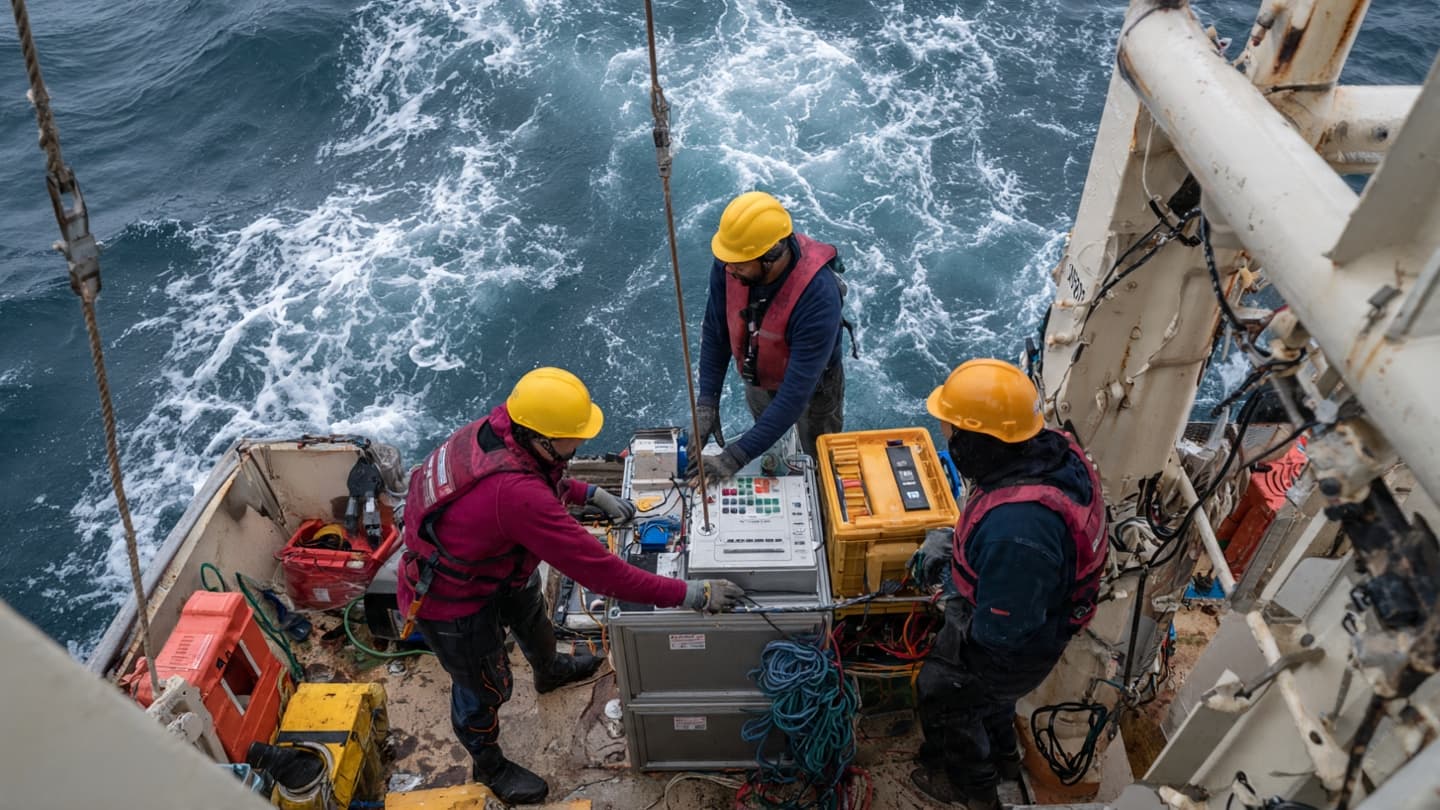
The ocean covers more than two-thirds of the Earth’s surface, yet much of it remains less explored than some regions of outer space. Beneath the waves lies a world of immense ecological importance, supporting biodiversity, regulating climate systems, and sustaining communities around the globe. In France, researchers are advancing ocean monitoring technologies designed to deepen scientific understanding and strengthen marine conservation efforts.
Ocean monitoring involves collecting data about environmental conditions, marine species, and ecosystem dynamics. Scientists rely on a combination of instruments, satellites, underwater sensors, autonomous vehicles, and research vessels to gather information from diverse marine environments.
Accurate data is essential for understanding environmental change. Ocean temperatures, currents, salinity levels, and biological activity all influence ecosystem health. Continuous monitoring allows researchers to identify trends, assess risks, and improve predictive models.
Marine biodiversity represents a major focus of current research. Scientists seek to understand how species interact with their environments and how ecological systems respond to changing conditions. Advanced monitoring technologies provide valuable insights that were previously difficult to obtain.
Autonomous underwater vehicles have become increasingly important tools. These robotic systems can travel through remote marine areas collecting measurements and imagery over extended periods. Their capabilities expand scientific observation while reducing operational limitations.
Satellite technologies complement ocean-based instruments by providing large-scale perspectives on environmental conditions. Researchers integrate multiple sources of information to build comprehensive pictures of marine ecosystems and their evolution over time.
Conservation planning benefits directly from improved monitoring. Accurate data supports decisions related to protected areas, fisheries management, habitat restoration, and environmental protection initiatives. Scientific evidence helps policymakers and conservation organizations allocate resources effectively.
International collaboration remains central to ocean research. Marine systems cross national boundaries, making cooperation among institutions and countries essential. Shared data and joint research efforts strengthen collective understanding of global ocean processes.
Challenges persist due to the scale and complexity of marine environments. Vast distances, extreme conditions, and technological requirements create obstacles that researchers must continually overcome. Nevertheless, advances in monitoring capabilities continue expanding scientific knowledge.
The work underway in French laboratories and research institutions reflects humanity’s broader relationship with the ocean. Protecting marine ecosystems begins with understanding them. Through innovation and scientific exploration, researchers are helping illuminate the hidden dynamics of the seas, ensuring that future decisions rest upon deeper knowledge and greater awareness.
AI Image Disclaimer: Illustrations were produced with AI and serve as conceptual depictions.
Source Check Credible sources identified:
Reuters UNESCO Oceanographic Commission National Geographic Nature European Marine Board
Published by Banx Network. This article is part of the Banx decentralized media programme, powered by the BXE token on the XRP Ledger.