

Key Highlights
- Immigration enforcement discussions intensify ahead of the World Cup.
- Legal experts express concerns over proposed federal scrutiny at airports.
- Sanctuary cities face scrutiny regarding their local policies and federal law.
The upcoming World Cup is not just a sporting event; it has become a focal point for discussions about immigration enforcement and airport jurisdiction, particularly in sanctuary cities. These cities, which limit cooperation with federal immigration authorities, are now under renewed scrutiny as proposals for increased federal oversight at their airports emerge. This situation has sparked a complex legal and political debate that could have significant implications for how airports operate within these jurisdictions.
Former President Donald Trump's administration proposed a plan that would enhance federal scrutiny at airports located in sanctuary cities. This proposal has reignited discussions about the balance of power between federal and local authorities. Sanctuary cities argue that their policies are designed to protect vulnerable populations, while proponents of stricter immigration enforcement contend that major international events necessitate heightened security measures and consistent federal oversight at critical entry points like airports.
Legal experts have voiced concerns regarding the constitutionality of the proposed enforcement strategies. According to constitutional scholars, the federal government typically does not have the authority to enforce immigration laws based solely on a city's designation as a sanctuary without clear statutory backing. This raises questions about the legality of targeting specific cities for enforcement actions, potentially leading to challenges in court.
Airports are already complex environments governed by multiple layers of federal regulation, primarily through the Transportation Security Administration (TSA) and other agencies. Analysts have pointed out that implementing selective enforcement strategies based on local immigration policies could lead to inconsistencies in the application of federal law, raising issues of equal protection and administrative overreach.
Supporters of the proposal argue that the heightened security needs associated with the World Cup justify increased federal oversight at airports. They assert that ensuring consistent enforcement across jurisdictions is essential for national security, especially during high-profile international events. However, critics warn that linking immigration enforcement to the political status of cities could create legal vulnerabilities, potentially leading to judicial challenges based on federal preemption or violations of constitutional rights.
The ongoing debate highlights a broader tension within U.S. governance: the struggle to balance national security priorities with local autonomy. Sanctuary city policies have long been contentious, with courts occasionally intervening but leaving many questions unresolved. As the World Cup draws near, federal and local agencies are expected to engage in discussions about coordination and enforcement strategies, which could shape the future of airport jurisdiction and immigration enforcement.
Currently, the proposal is under close legal and policy scrutiny. Experts suggest that any targeted enforcement actions at airports in sanctuary cities would likely encounter significant constitutional and administrative hurdles, making the outcome of these discussions critical as the international event approaches.
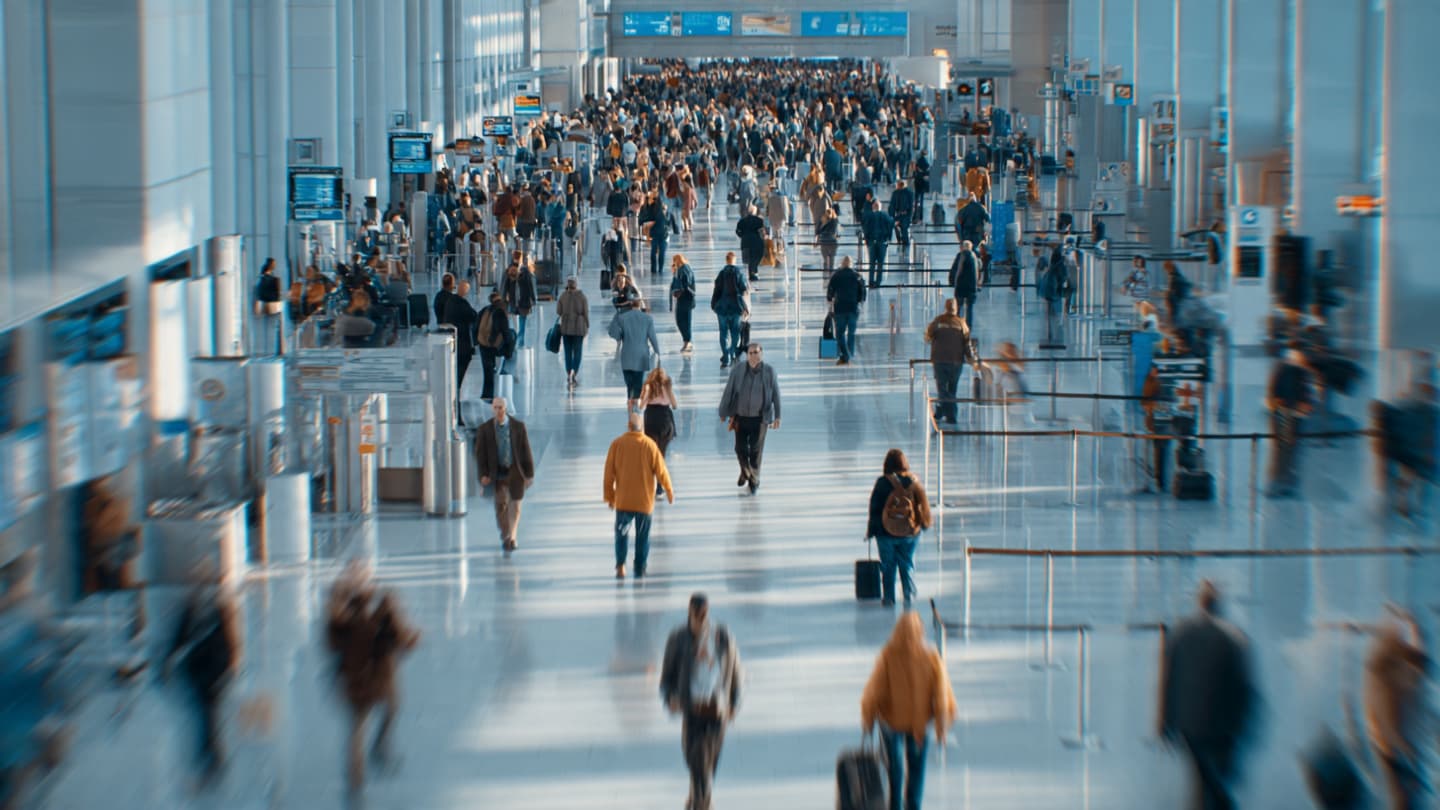
Images accompanying this article were created using artificial intelligence for illustrative editorial purposes.
Published by Banx Network. This article is part of the Banx decentralized media programme, powered by the BXE token on the XRP Ledger.




