

Key Highlights
- Fatalities:At least three people have died due to severe weather.
- Damage Reports:Numerous homes destroyed and widespread power outages reported.
- Ongoing Threat:Meteorologists warn of continued severe weather as the system moves eastward.
Across the American heartland, summer skies can shift with remarkable speed. A tranquil afternoon may gradually darken, and within hours, powerful storms can redraw landscapes and alter lives. This week, communities across the Midwest and Plains once again found themselves confronting the force of severe weather.
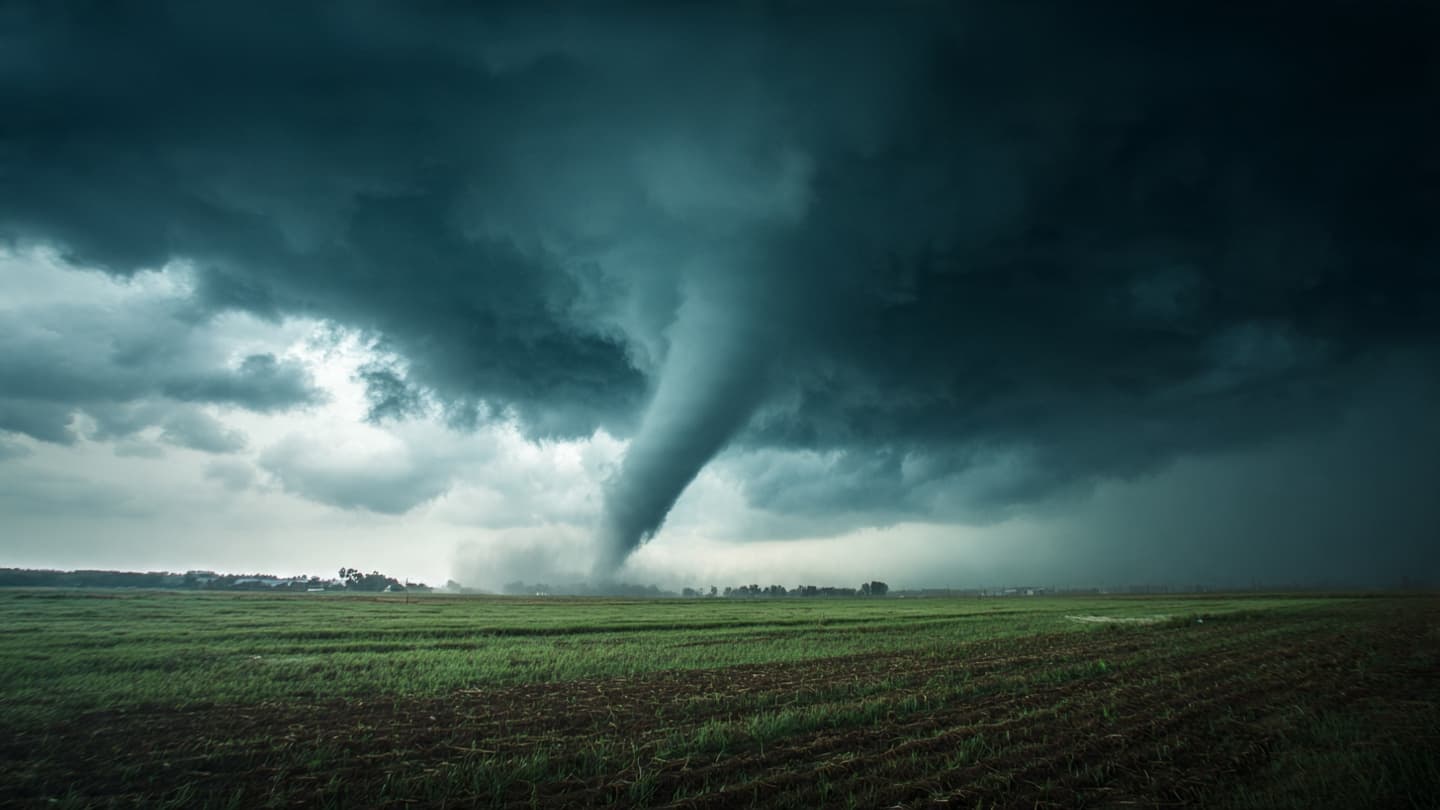
Authorities reported that tornadoes and severe storms killed at least three people across portions of the Midwest and Great Plains as a powerful weather system moved through the region. The National Weather Service (NWS) indicated that the threat was expected to continue shifting eastward, prompting concerns for additional communities.
The storms produced multiple tornadoes, damaging winds, large hail, and heavy rainfall across several states. Emergency crews responded to reports of destroyed homes, downed trees, and widespread power outages. In some areas, emergency management agencies were mobilized to assist with recovery efforts and provide support to affected residents.
The NWS issued numerous tornado watches and warnings as rotating thunderstorms developed under conditions favorable for severe weather. Forecasters noted that warm, moisture-rich air combined with strong upper-level winds created an environment capable of producing dangerous storms. This combination is typical for the region during this time of year, when atmospheric conditions often support thunderstorm development.
Local officials in affected areas urged residents to remain vigilant and monitor weather alerts, emphasizing the importance of having multiple methods to receive emergency warnings. Many communities have established systems to disseminate alerts via text messages, social media, and local news outlets to ensure that residents stay informed.
Damage assessments began shortly after storms passed through impacted communities. Survey teams from the NWS are expected to determine the number and intensity of tornadoes associated with the outbreak. Preliminary reports indicate significant destruction in several towns, with emergency responders working tirelessly to assess the situation and provide assistance.
As the storm system progresses eastward, meteorologists continue to warn that additional regions could experience severe weather, including strong winds, flash flooding, and isolated tornadoes. The potential for further storms has prompted emergency management agencies to remain on alert, ready to respond to any new developments.
In the aftermath of the storms, recovery efforts are underway in communities already affected. Local governments are coordinating with state and federal agencies to provide resources and support for rebuilding efforts. As residents begin to assess the damage and start the recovery process, the focus remains on ensuring safety and restoring normalcy in the wake of this devastating weather event.
Published by Banx Network. This article is part of the Banx decentralized media programme, powered by the BXE token on the XRP Ledger.




