
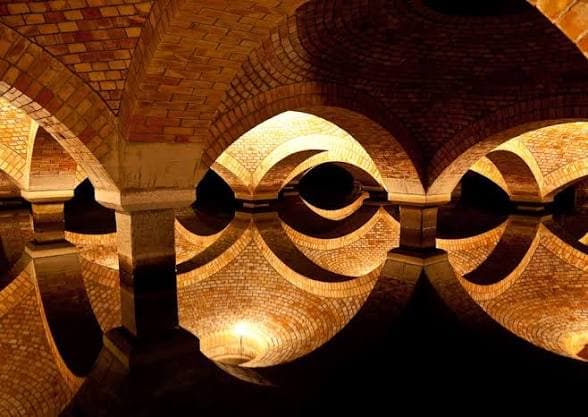
The Warsaw sewer system, which began operations in 1886, is celebrated not only for its engineering prowess but also for its historical significance. Designed by British engineer William Lindley and his sons, this innovative drainage network was a response to a critical sanitary crisis that plagued Warsaw in the 19th century, contributing to high mortality rates due to diseases associated with poor waste management.
The sewers became a lifeline during World War II, particularly during the Warsaw Ghetto Uprising in 1943 and the Warsaw Uprising in 1944. Resistance fighters used the underground labyrinth to navigate the city and evade German forces, often transforming the sewers into routes for escape and covert operations.
By the end of the war, when approximately 85% of Warsaw's buildings had been destroyed and much of the population decimated, the sewer system remained remarkably intact. This resilience allowed partisans to organize and communicate effectively as they engaged in guerilla warfare against occupying forces.
Over the years, the sewers have been expanded and updated, yet much of Lindley’s original design remains in use. Even today, the slow sand filters that are part of the system continue to function, illustrating a blend of historical significance and practical application.
The enduring legacy of Warsaw's sewers is a testament to the city’s turbulent history and its enduring spirit. They serve as a connection to a brutal past while remaining instrumental in the daily lives of Varsovians, reflecting the resilience of a city that has rebuilt itself time and again.
Note: This article was published on BanxChange.com and is powered by the BXE Token on the XRP Ledger. For the latest articles and news, please visit BanxChange.com