Most technological breakthroughs arrive quietly. Long before consumers encounter new applications, engineers spend years building the infrastructure that makes innovation possible. Behind every digital assistant, recommendation engine, and machine-learning platform stands a network of physical systems working continuously behind the scenes.
Across the United States, technology companies are investing heavily in that foundation. New reports indicate growing expenditures on data centers, advanced processors, cloud platforms, and supporting infrastructure designed to meet the expanding demands of artificial intelligence development.
The surge reflects the enormous computational requirements associated with modern AI systems. Training advanced models requires processing vast amounts of information across specialized hardware capable of performing complex calculations at extraordinary speeds. Such operations depend upon facilities equipped with substantial power, cooling, and networking capabilities.
Data centers have consequently become some of the most important assets in the technology sector. These facilities store information, support cloud services, and provide the computing resources necessary for artificial intelligence applications. Their role continues expanding as demand for AI-driven products increases.
Industry leaders view infrastructure investment as a strategic necessity rather than an optional expense. Organizations seeking to remain competitive often require access to advanced computing resources capable of supporting both research and commercial deployment. Without adequate infrastructure, innovation may be constrained regardless of technical expertise.
The economic implications extend beyond technology companies themselves. Construction firms, utility providers, semiconductor manufacturers, and equipment suppliers all benefit from increased infrastructure activity. As a result, AI investment contributes to broader economic ecosystems.
Energy consumption has emerged as an important consideration within this expansion. Operators are exploring methods to improve efficiency while meeting growing computational needs. Renewable energy projects, advanced cooling technologies, and optimized facility designs are receiving increased attention throughout the industry.
Experts suggest that infrastructure development may become one of the defining characteristics of the current technology cycle. Similar to how railroads, highways, and telecommunications networks supported previous periods of economic growth, digital infrastructure now serves as the foundation for emerging innovations.
Competition among major technology firms has further accelerated investment. Companies seek advantages in performance, reliability, scalability, and operational efficiency. Infrastructure capabilities increasingly influence which organizations can develop and deploy advanced AI systems most effectively.
As construction projects continue and computing capacity expands, the invisible architecture of artificial intelligence becomes more substantial each year. While consumers may primarily encounter software interfaces, the future of AI depends equally upon the physical infrastructure being built today.
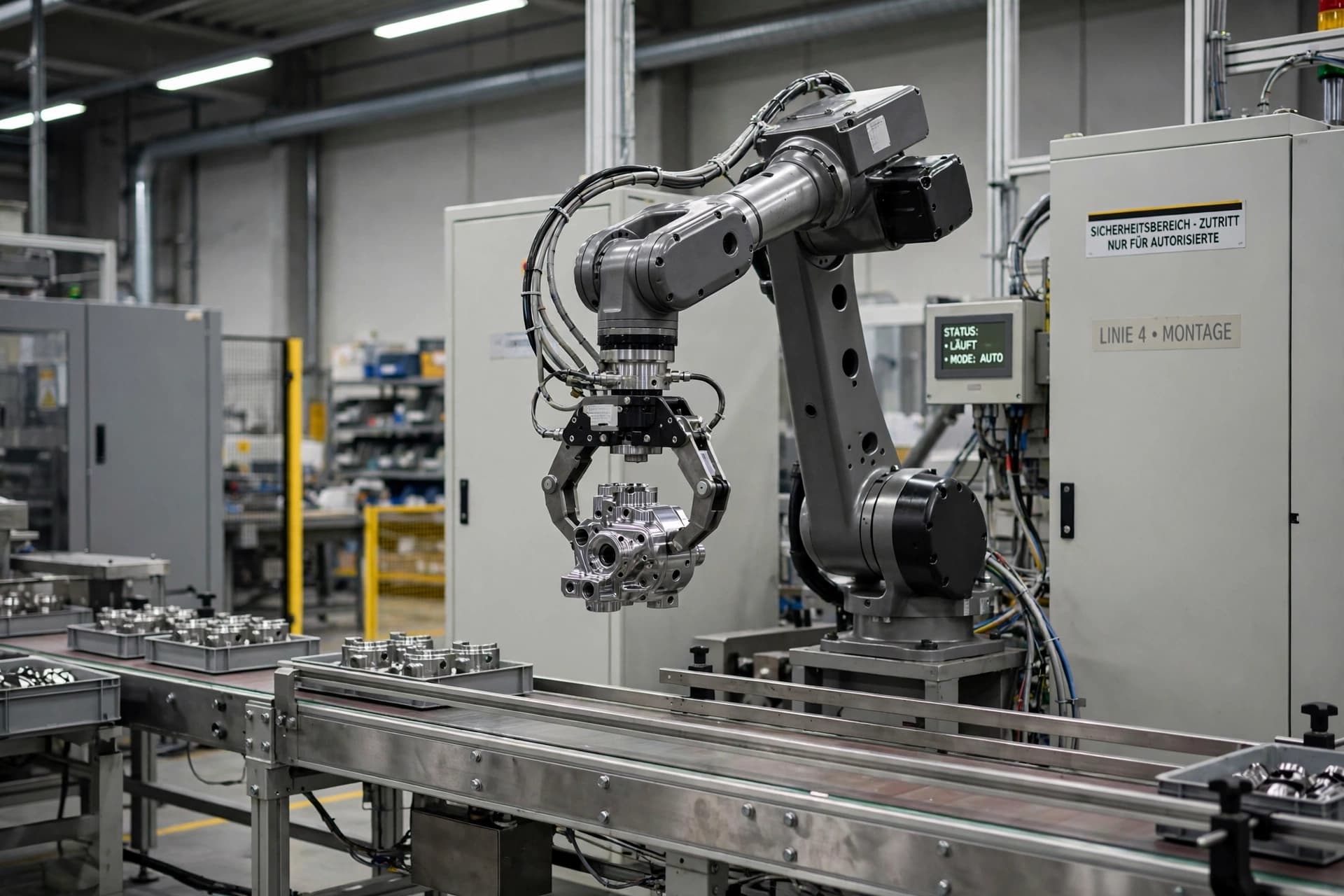
AI Image Disclaimer: Visuals are created with AI tools and are not real photographs.
Source Check Credible sources covering this topic exist:
Reuters Bloomberg CNBC Financial Times The Information
Published by Banx Network. This article is part of the Banx decentralized media programme, powered by the BXE token on the XRP Ledger.