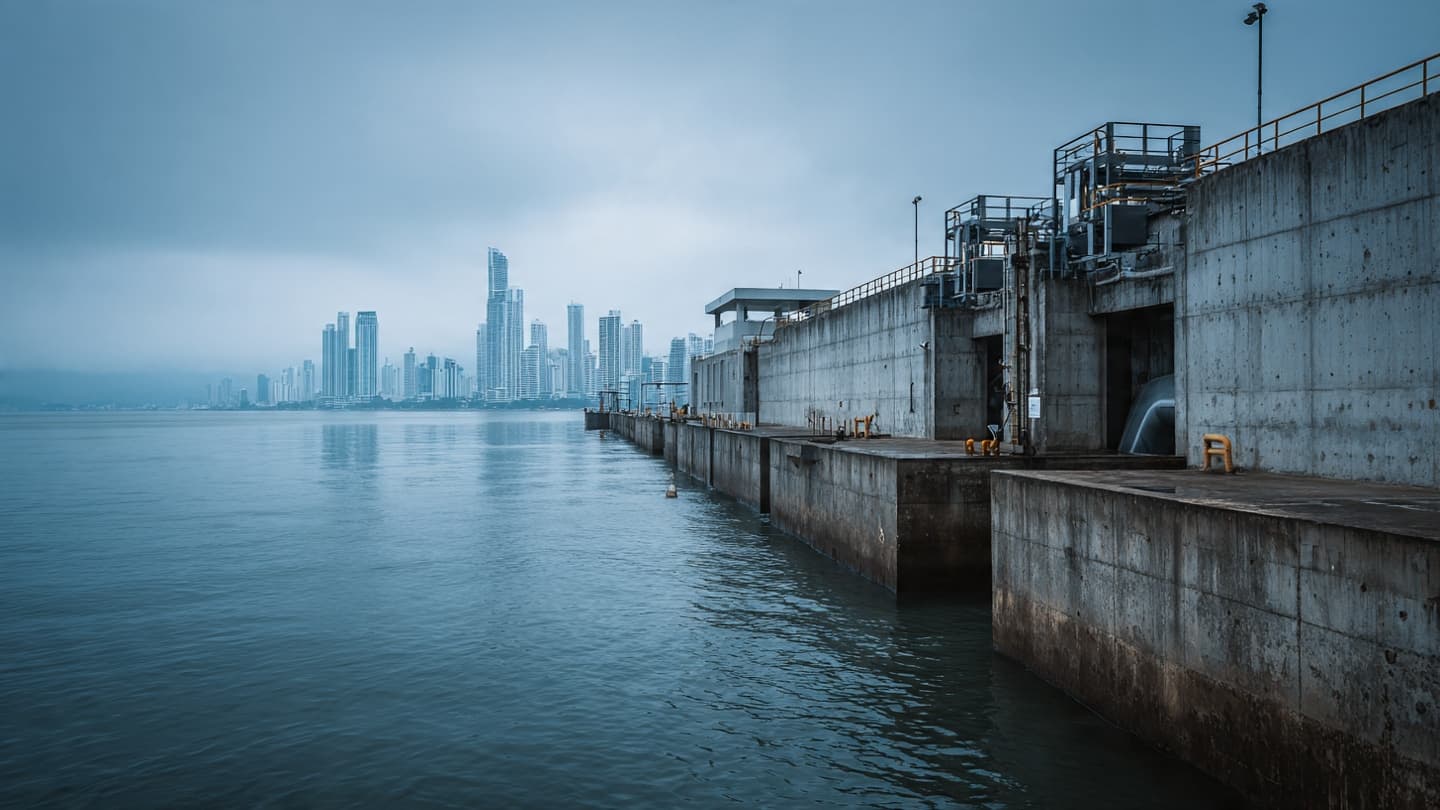
Around the world, governments are increasingly recognizing that resilience is not built in moments of crisis alone. Rather, it emerges gradually—through planning, investment, and the patient work of preparing communities for challenges that may unfold years from now.
Many countries are accelerating investments in climate resilience as extreme weather events become more frequent and costly. National governments, development institutions, and international organizations are directing additional resources toward infrastructure designed to withstand climate-related risks.
Recent years have brought a series of destructive floods, droughts, wildfires, and storms across multiple continents. These events have highlighted vulnerabilities in transportation systems, energy networks, water supplies, and urban infrastructure.
As a result, policymakers are increasingly prioritizing projects such as flood defenses, drought-resistant water systems, climate-smart agriculture, and early warning technologies. Investments are also expanding in renewable energy and nature-based solutions, including wetland restoration and reforestation.
International financial institutions have pledged billions of dollars to support adaptation initiatives, particularly in developing nations that often face disproportionate climate impacts despite contributing relatively little to historical greenhouse gas emissions.
Urban areas have become a major focus of resilience planning. Cities are adopting measures such as heat mitigation strategies, improved drainage systems, green spaces, and updated building standards to reduce risks associated with rising temperatures and severe weather.
Experts argue that adaptation investments can generate substantial economic benefits by reducing future disaster losses. Studies suggest that proactive resilience measures frequently cost less than post-disaster recovery and reconstruction efforts.
At the same time, climate specialists caution that adaptation alone cannot eliminate all risks. Many researchers emphasize that resilience efforts should complement broader initiatives aimed at reducing greenhouse gas emissions globally.
As climate challenges continue evolving, governments and communities are expected to expand collaboration, recognizing that resilience has become an increasingly important component of long-term development planning.
AI Image Disclaimer: Several illustrative images related to this report were produced using AI to visualize climate adaptation initiatives.
Sources: Reuters, World Bank, United Nations, Earth.org
Note: This article was published on BanxChange.com and is powered by the BXE Token on the XRP Ledger. For the latest articles and news, please visit BanxChange.com