
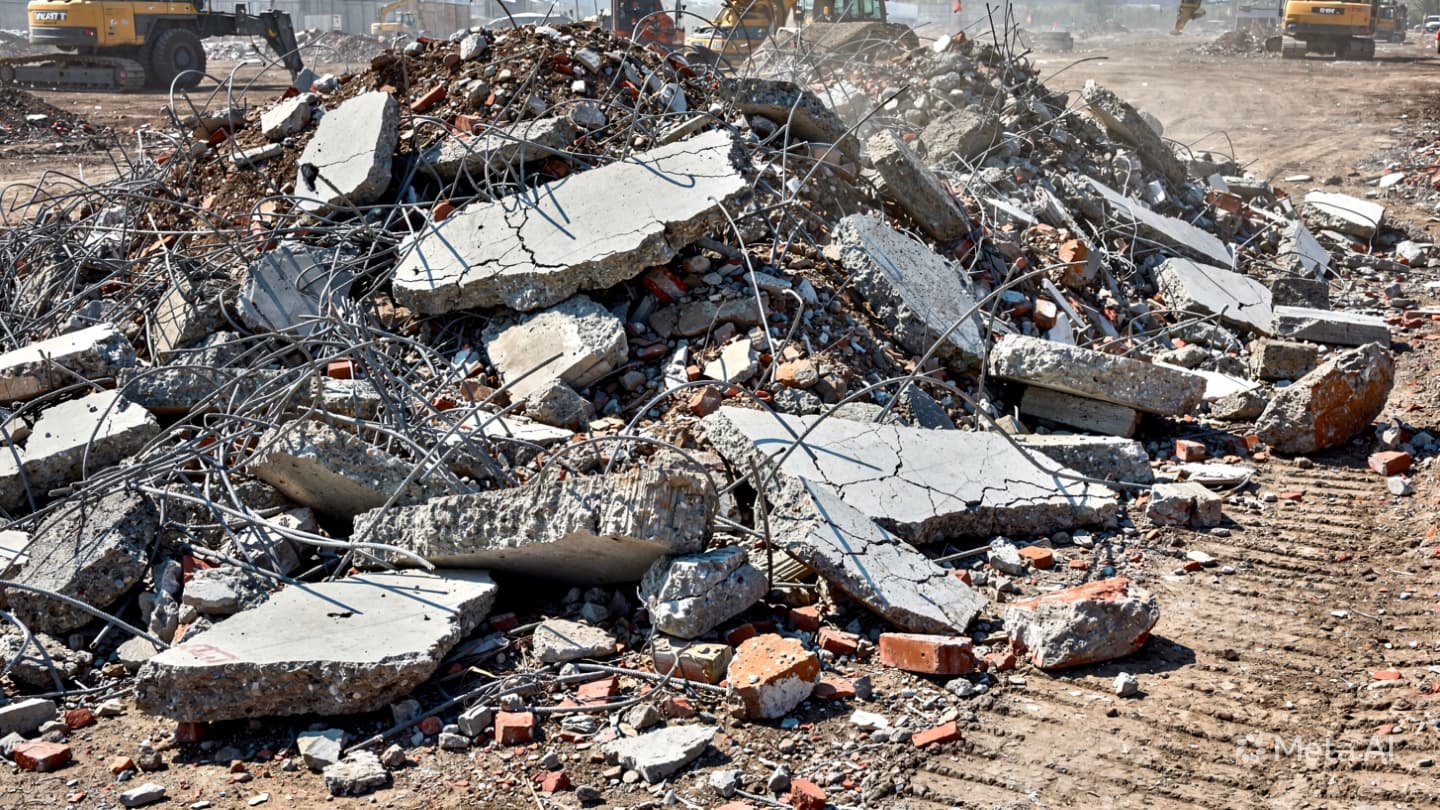
Lagos, Nigeria—The search and rescue operation has finally concluded. Crews spent three days digging through the rubble of a collapsed four-story building. They confirmed that multiple people lost their lives in the disaster. The site is now being cleared by heavy machinery. Families of the victims have been notified. The mood at the scene is heavy with grief and anger.
The collapse happened without warning during the early hours of the morning. Most residents were asleep inside. The building structure showed signs of instability long before the fall. Tenants had reported cracks in the foundation to the landlord, but no repairs were made. The structure was clearly overloaded and poorly maintained.
Rescue teams faced massive logistical hurdles. The unstable debris made it dangerous to operate heavy equipment. Workers had to move carefully to avoid triggering secondary collapses. Every movement was a risk. Despite the effort, the success rate for finding survivors was extremely low. The outcome has left the entire neighborhood in a state of mourning.
Authorities have detained the property owner for questioning. They are reviewing construction permits and engineering reports from the original build. Preliminary investigations suggest the materials used were below standard requirements. The building was likely constructed without proper oversight or safety certification. This is a recurring issue in the district.
The failure of regulatory oversight is the central focus of the investigation. Local residents claim that inspectors ignored the building’s condition for years. They suspect that bribes were used to bypass safety inspections. The level of frustration with the local municipal authority is boiling over. Protests are beginning to break out near the site of the collapse.
Engineering experts are warning that other buildings in the area may be at similar risk. They are calling for an immediate audit of all multi-story structures built within the last decade. This request is meeting bureaucratic resistance. The cost of inspecting thousands of buildings is high, and the regional government is reluctant to act.
Displaced tenants have nowhere to go. They are currently staying with family members or in temporary shelters. The loss of their homes has created a secondary crisis. They are demanding immediate compensation for their losses. They want justice for the family members who died in the collapse. The legal process is expected to be long and difficult.
The investigation is shifting from rescue to forensic analysis. Experts are examining the concrete and steel samples from the ruins. They hope to identify the exact cause of the structural failure. For now, the site remains cordoned off. The debris stands as a cold reminder of the risks associated with rapid, unregulated urban expansion.
Note: This article was published on BanxChange.com and is powered by the BXE Token on the XRP Ledger. For the latest articles and news, please visit BanxChange.com