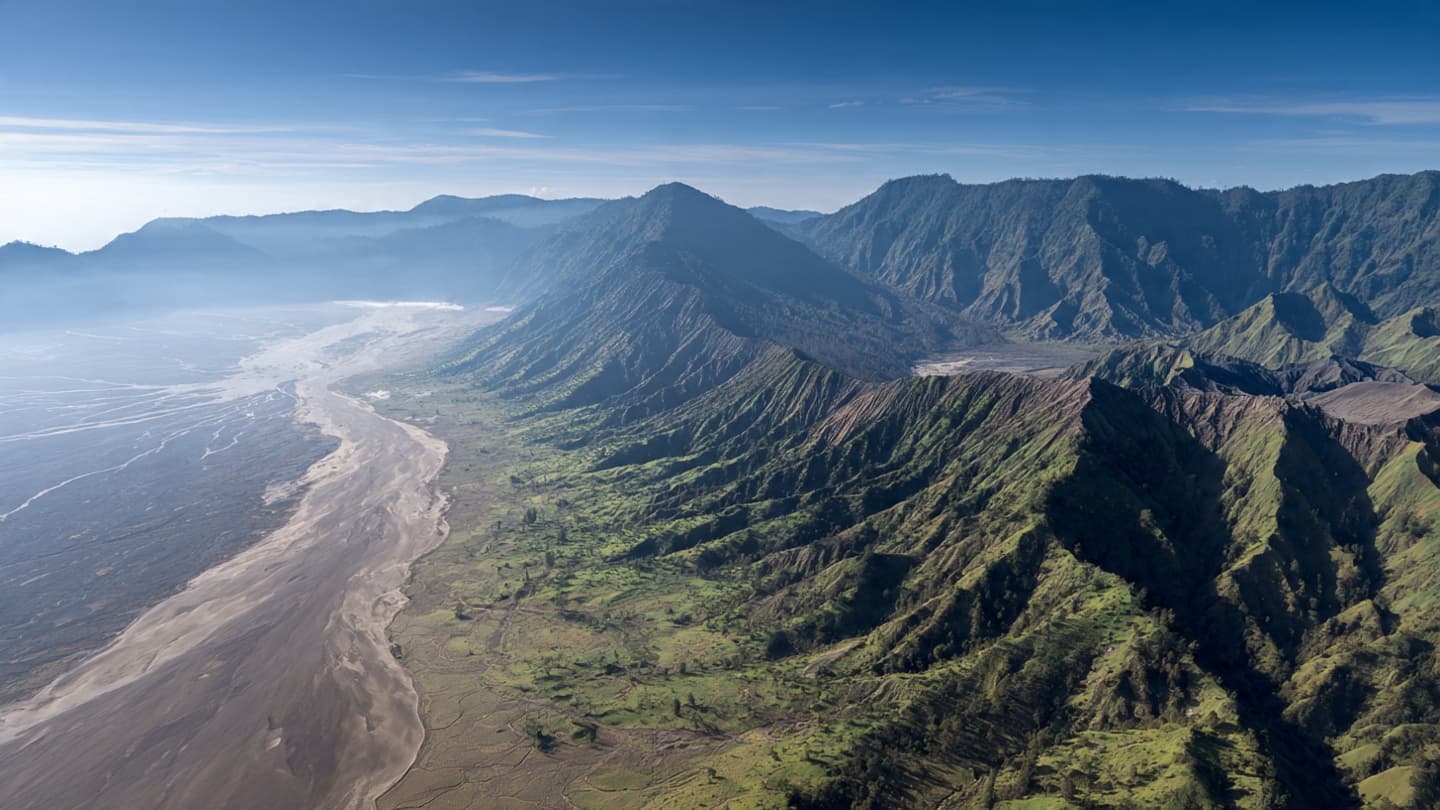
The slopes of Mount Bromo are usually remembered for their wide horizons, volcanic sand, and the changing colors of morning. In August, however, the familiar landscape has taken on another character as fire moved through dry vegetation across the national park area, leaving smoke and scorched ground behind.
At least 60 hectares of land were burned in the Mount Bromo area in East Java, according to Indonesian authorities cited by Reuters. The fire occurred as the region was experiencing dry-season conditions, when grass and other vegetation can become particularly vulnerable to flames. (reuters.com)
Mount Bromo sits within Bromo Tengger Semeru National Park, a landscape shaped by volcanic activity and visited by tourists from Indonesia and abroad. Its open savannahs and volcanic terrain create a distinctive environment, but during extended dry periods, vegetation can become increasingly combustible.
The fire therefore arrived at a time when natural conditions were already favoring the movement of flames. Dry grass can ignite quickly, while wind can carry fire across open terrain. Authorities must often balance firefighting efforts with the difficult geography of mountainous and volcanic areas.
The affected landscape is also part of an ecosystem that supports a variety of plants and animals. A wildfire does not necessarily destroy every part of such an environment permanently, as some ecosystems can recover after fire, but the immediate effects can alter vegetation, soil conditions, and habitats.
For the surrounding communities, the fire carries another dimension. Tourism is an important part of the local economy, and Mount Bromo remains one of East Java’s best-known natural destinations. Smoke, fire danger, and restrictions can affect access and visitor activity while authorities focus on safety.
The incident also reflects a wider pattern seen during Indonesia’s dry season, when vegetation fires can become more frequent in areas experiencing prolonged periods without significant rainfall. Conditions vary from region to region, but dry landscapes generally require greater vigilance from authorities and communities.
Fire management in mountainous terrain can be particularly demanding. Crews need to monitor the direction of flames, identify safe access routes, and prevent smaller fires from developing into larger burns. Weather conditions can change quickly, making the work a continuing process rather than a single intervention.
For now, the burned area remains a visible reminder of how quickly a familiar landscape can change under dry conditions. Mount Bromo’s volcanic horizon remains, but portions of its grassland have been transformed by fire, as authorities continue monitoring the area and assessing the extent of the damage.
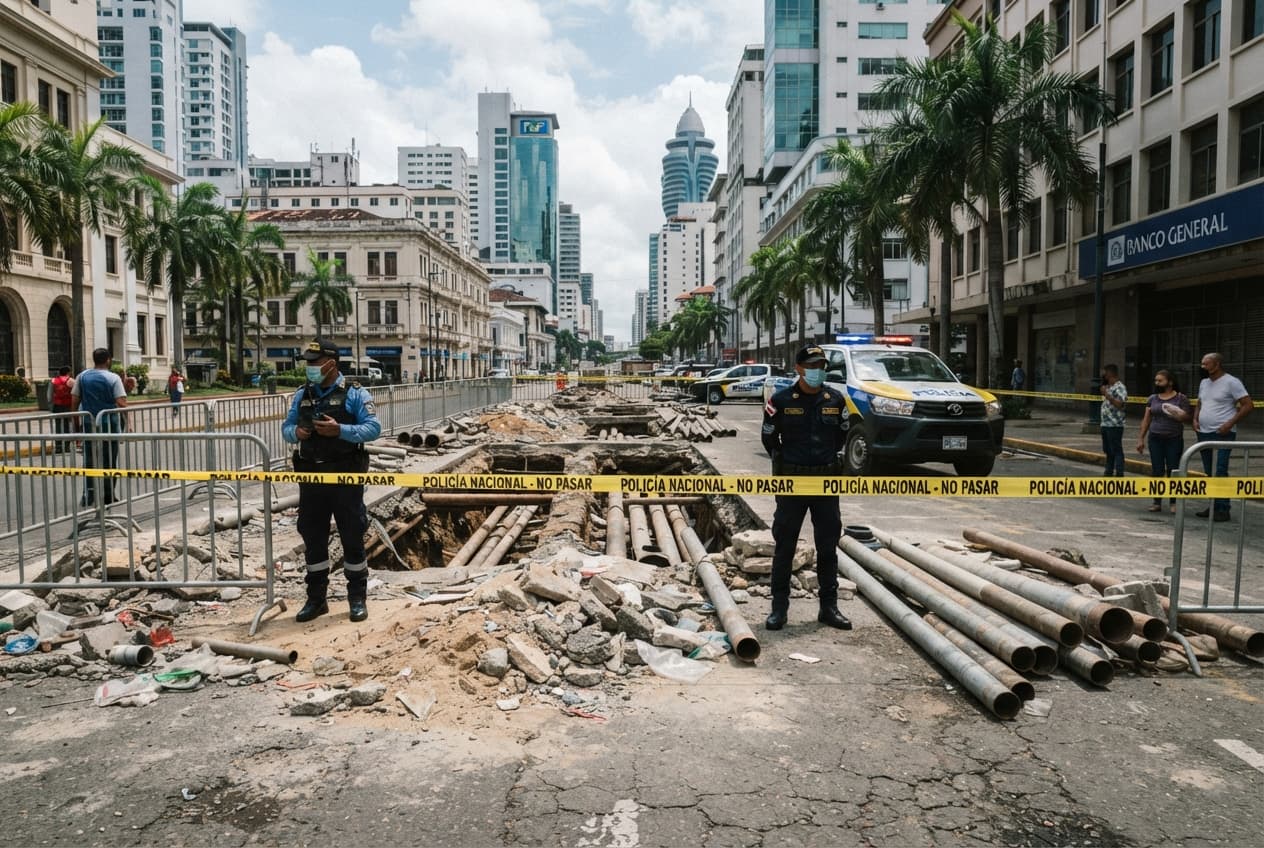
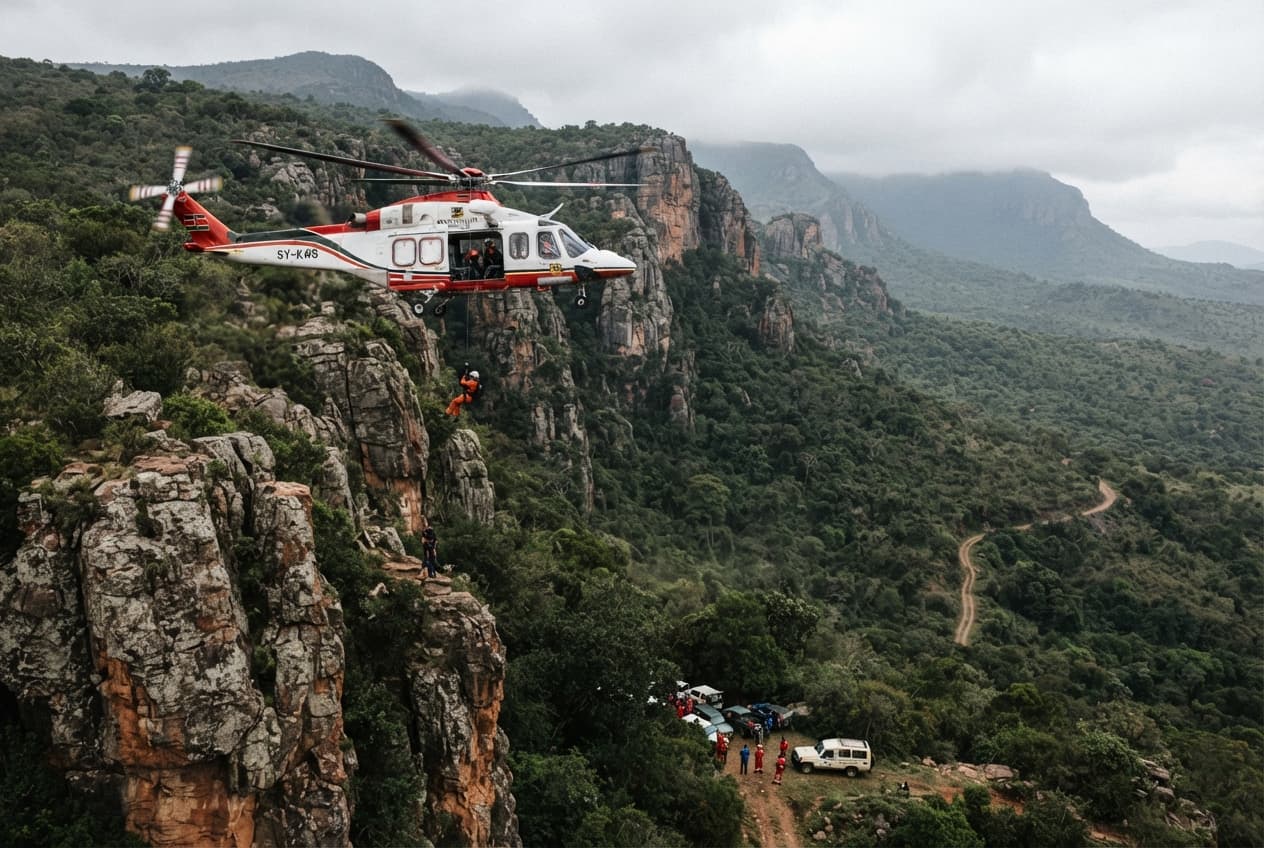
AI Image Disclaimer: The visuals accompanying this article are AI-generated representations for illustrative purposes only.
Sources: Reuters Antara News Bromo Tengger Semeru National Park Indonesia Ministry of Environment and Forestry
Note: This article was published on BanxChange.com and is powered by the BXE Token on the XRP Ledger. For the latest articles and news, please visit BanxChange.com