In the complex machinery of public infrastructure, where transparency is expected to be the default setting, a shadow has fallen over a major state prison project. It has emerged that two brothers, with documented links to organized crime and outlaw motorcycle gangs, secured contracts for construction work on this sensitive government facility. This revelation raises profound questions about vetting processes, accountability, and the integrity of public procurement systems designed to protect community safety.
The prison project, already plagued by delays and budget overruns, now faces a crisis of confidence. The involvement of individuals with such controversial backgrounds in a facility meant to house criminals creates a stark irony that is difficult to ignore. Critics argue that allowing such figures to profit from state contracts undermines the rule of law and sends a confusing message about the standards expected of those who serve the public interest.
Government officials have defended the initial awarding of contracts, stating that all due diligence was conducted according to existing regulations. However, the depth of the brothers' criminal associations suggests that current screening measures may be insufficient or easily circumvented. The situation highlights the challenges of detecting hidden affiliations in a subcontracting chain that can be several layers removed from the primary contractor.
Public trust is fragile, particularly when it comes to the justice system. The knowledge that individuals linked to gangland activities have worked within the very walls designed to contain such elements is deeply unsettling for taxpayers and victims of crime alike. It fuels perceptions of systemic weakness and raises concerns about security risks, including the potential for contraband smuggling or influence peddling within the facility.
Opposition parties have called for an immediate independent inquiry into how these contracts were awarded. They argue that a thorough investigation is necessary to identify any lapses in protocol or potential corruption. The demand for accountability is not just about punishing wrongdoing but about restoring faith in the government’s ability to manage public funds and projects responsibly.
The construction industry itself is under scrutiny, with calls for stricter licensing requirements and more rigorous background checks for all workers on sensitive sites. Industry bodies emphasize that the vast majority of contractors are honest and hardworking, but acknowledge that bad actors can exploit loopholes. Strengthening these safeguards is essential to prevent future occurrences and protect the reputation of the sector.
As the story develops, the focus remains on the specific details of the contracts and the extent of the brothers' involvement. Were they directly employed, or did they operate through shell companies? Answering these questions is crucial for understanding the breach in security and ensuring that similar vulnerabilities are closed in future projects.
Closing: The controversy surrounding the prison project serves as a cautionary tale for public administration. Ensuring that those who build our institutions are beyond reproach is fundamental to maintaining the integrity of the state and the trust of its citizens.
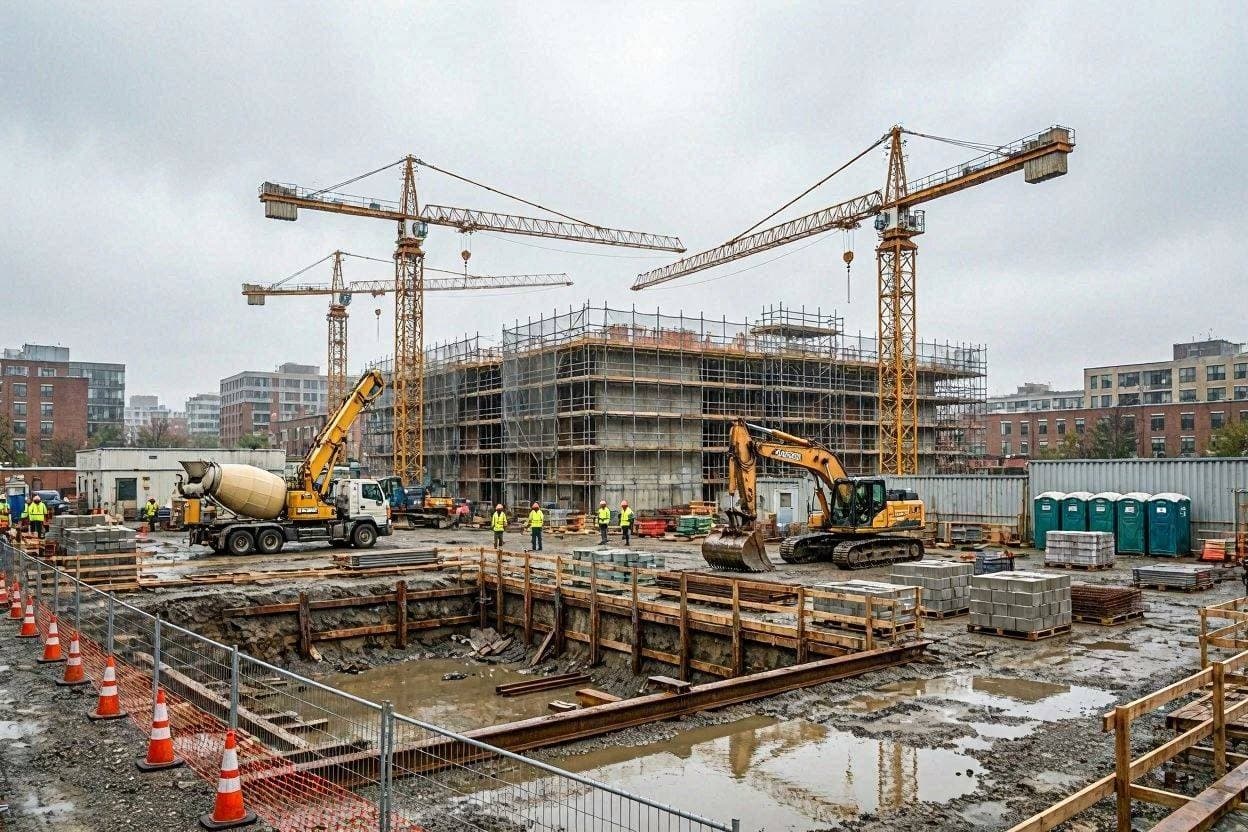
AI Image Disclaimer: The visual content accompanying this article is AI-generated for illustrative purposes and does not depict actual individuals involved in the case or specific construction sites.
Sources: ABC News The Sydney Morning Herald The Guardian News.com.au
Published by Banx Network. This article is part of the Banx decentralized media programme, powered by the BXE token on the XRP Ledger.