The borders that divide nations are often lines on a map, but for the communities living along them, they are bridges of culture, kinship, and commerce. In Borneo, where the lush rainforests of Indonesia’s Kalimantan meet the vibrant landscapes of Malaysia’s Sarawak, a new initiative seeks to strengthen these ties. Indonesia is exploring the launch of a cross-border bus route connecting West Kalimantan with Sarawak, a move that promises to ease travel, boost trade, and deepen the historical bonds between neighbors. It is a gentle step toward greater integration, reminding us that proximity can be a source of shared prosperity rather than division.
Body: The proposed route is expected to link key towns such as Putussibau in Indonesia with Kuching or other hubs in Sarawak, passing through border crossings like Nanga Badau and Lubok Antu. For decades, travel between these regions has relied on private vehicles or informal transport, which can be unpredictable and costly. A formal bus service would provide a reliable, affordable, and safe option for students, workers, traders, and tourists alike. It transforms a journey that was once an adventure into a routine commute, facilitating daily life for those who straddle two worlds.
Economically, the route holds significant promise. Small businesses in border areas thrive on the movement of people and goods. Farmers, artisans, and merchants can access wider markets, while consumers benefit from greater variety and competitive prices. The flow of tourism also increases, as visitors from both sides explore the natural beauty and cultural heritage of their neighbors. This economic interdependence fosters stability and mutual respect, creating a foundation for long-term peace and cooperation.
Beyond economics, the bus route serves as a social connector. Many families in the border region have relatives on both sides of the line, separated by nationality but united by blood and tradition. Easier travel allows for more frequent visits, strengthening family bonds and preserving shared cultural practices. It enables the exchange of stories, food, and festivals, keeping the rich tapestry of Bornean identity vibrant and alive.
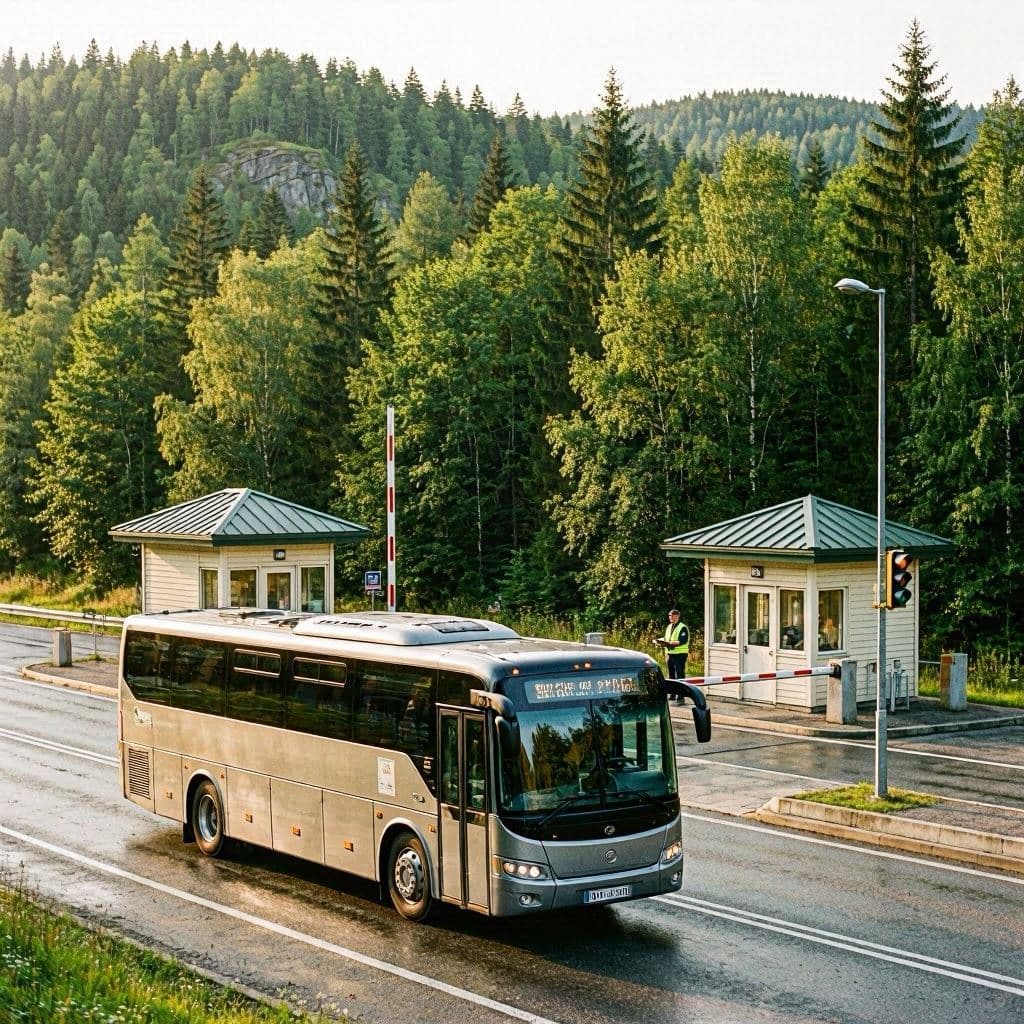
Infrastructure development is a key component of this initiative. Improving roads, upgrading border facilities, and streamlining immigration processes are essential for the success of the service. Both governments are working together to ensure that checkpoints are efficient and welcoming, reducing wait times and enhancing the traveler’s experience. These improvements benefit not just bus passengers but all who cross the border, contributing to regional development.
Environmental considerations are also part of the discussion. Increased traffic brings challenges, such as emissions and waste management. However, a centralized public transport system can be more sustainable than numerous individual vehicles. By promoting shared mobility, the initiative aligns with broader goals of environmental stewardship. It encourages a mindset of collective responsibility for the pristine ecosystems that define Borneo.
Public response has been largely positive, with communities expressing hope for the convenience and opportunities the service will bring. Local leaders advocate for inclusive planning, ensuring that remote villages also benefit from improved connectivity. This grassroots support is crucial for the project’s sustainability, as it ensures that the service meets the real needs of the people it aims to serve.
Closing: In the end, the new cross-border bus route is more than a transportation project; it is a symbol of friendship and collaboration. It reflects a commitment to building bridges rather than walls, fostering a region where differences are celebrated and connections are cherished. As the wheels begin to turn, they carry with them the hopes of a community eager to move forward together.
AI Image Disclaimer: Please note that any accompanying visuals for this narrative are artificially generated interpretations meant to evoke the spirit of the story, not documentary evidence.
Sources: Tempo.co RRI.co.id Sarawak Tribune
Published by Banx Network. This article is part of the Banx decentralized media programme, powered by the BXE token on the XRP Ledger.