Travel has always been more than movement from one place to another. It is a bridge between cultures, economies, and people whose paths might otherwise never cross. In recent years, few sectors have reflected this reality more clearly than aviation and tourism, industries that continue to shape relationships between nations. The latest efforts by France and the United Arab Emirates to strengthen cooperation in these areas offer another example of how connectivity is becoming a defining feature of the modern world.
The growing partnership focuses on expanding tourism opportunities, improving aviation links, and encouraging greater economic collaboration. As international travel continues to recover and evolve, both countries see value in creating stronger connections that support visitors, businesses, and investors alike. Enhanced cooperation can help facilitate movement while creating new opportunities across multiple industries.
France remains one of the world's most visited destinations, attracting travelers through its history, culture, cuisine, and iconic landmarks. The UAE, meanwhile, has established itself as a major global aviation hub, connecting passengers across continents through advanced infrastructure and extensive airline networks. Together, these strengths create a natural foundation for deeper collaboration.
Air connectivity plays a crucial role in modern tourism. Frequent and efficient flight options influence travel decisions, support business activity, and encourage cultural exchange. Expanded cooperation between French and Emirati aviation stakeholders may therefore contribute to increased visitor flows and stronger economic ties.
The benefits extend beyond tourism alone. Airlines, hotels, transportation providers, retailers, and service industries all participate in the broader travel ecosystem. Growth in visitor numbers often generates positive effects throughout local economies, creating employment opportunities and supporting investment.
The relationship also reflects broader global trends. Countries increasingly view tourism not only as a source of revenue but also as a strategic tool for strengthening international engagement. Travel creates opportunities for dialogue, understanding, and commercial partnerships that can extend well beyond the tourism sector itself.
Technology continues to influence how these industries develop. Digital booking platforms, personalized travel experiences, and advanced airport systems are reshaping expectations among travelers. Cooperation between nations can help accelerate innovation while improving the overall customer experience.
Sustainability remains another important consideration. As tourism and aviation grow, stakeholders are exploring ways to reduce environmental impacts while maintaining economic benefits. Efforts to improve efficiency and support responsible travel are becoming increasingly important within industry planning.
Observers note that partnerships of this nature often produce long-term value. Stronger aviation links encourage tourism, while tourism can stimulate broader economic and cultural exchanges. Each new route, agreement, or collaborative initiative contributes to a larger network of relationships.
As France and the UAE continue expanding cooperation, the skies between them become more than transportation corridors. They become pathways for opportunity, understanding, and shared growth. The destinations may remain thousands of kilometers apart, but through aviation and tourism, they are finding new ways to move closer together.
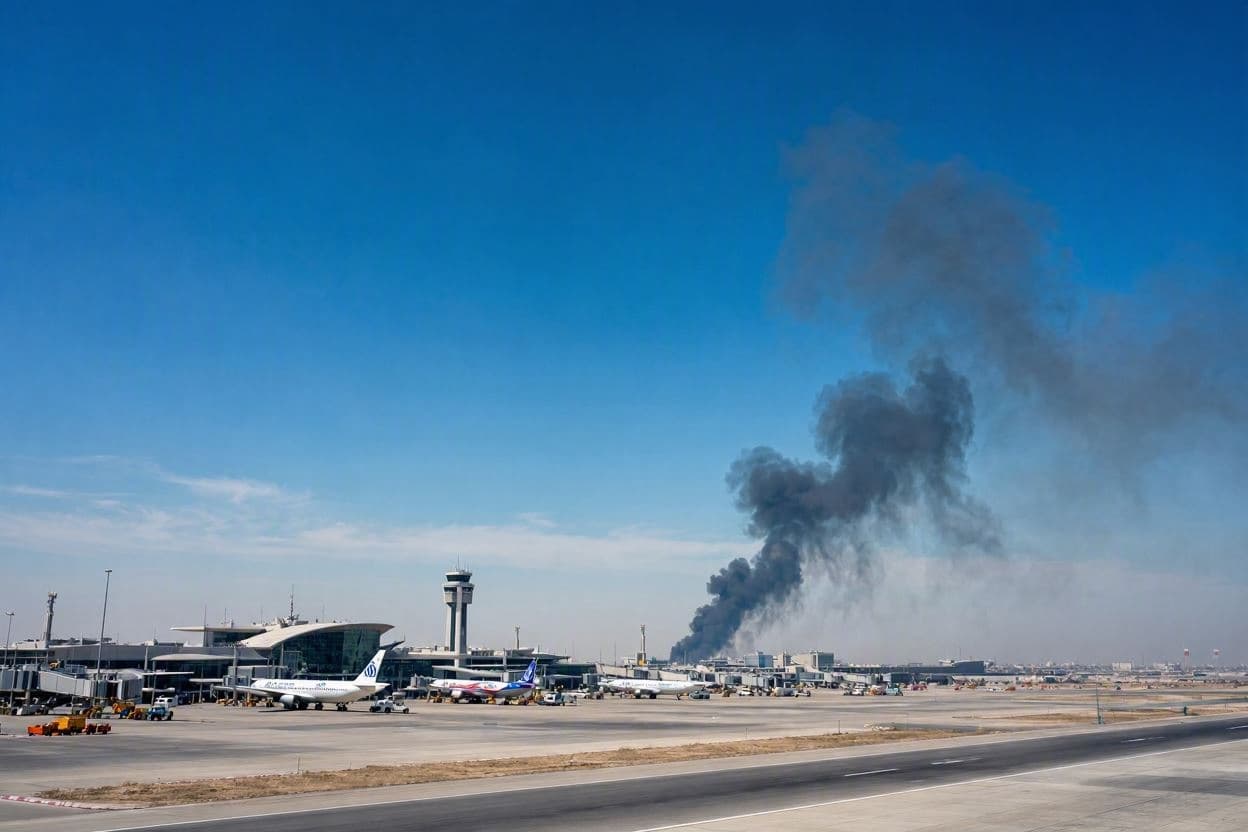
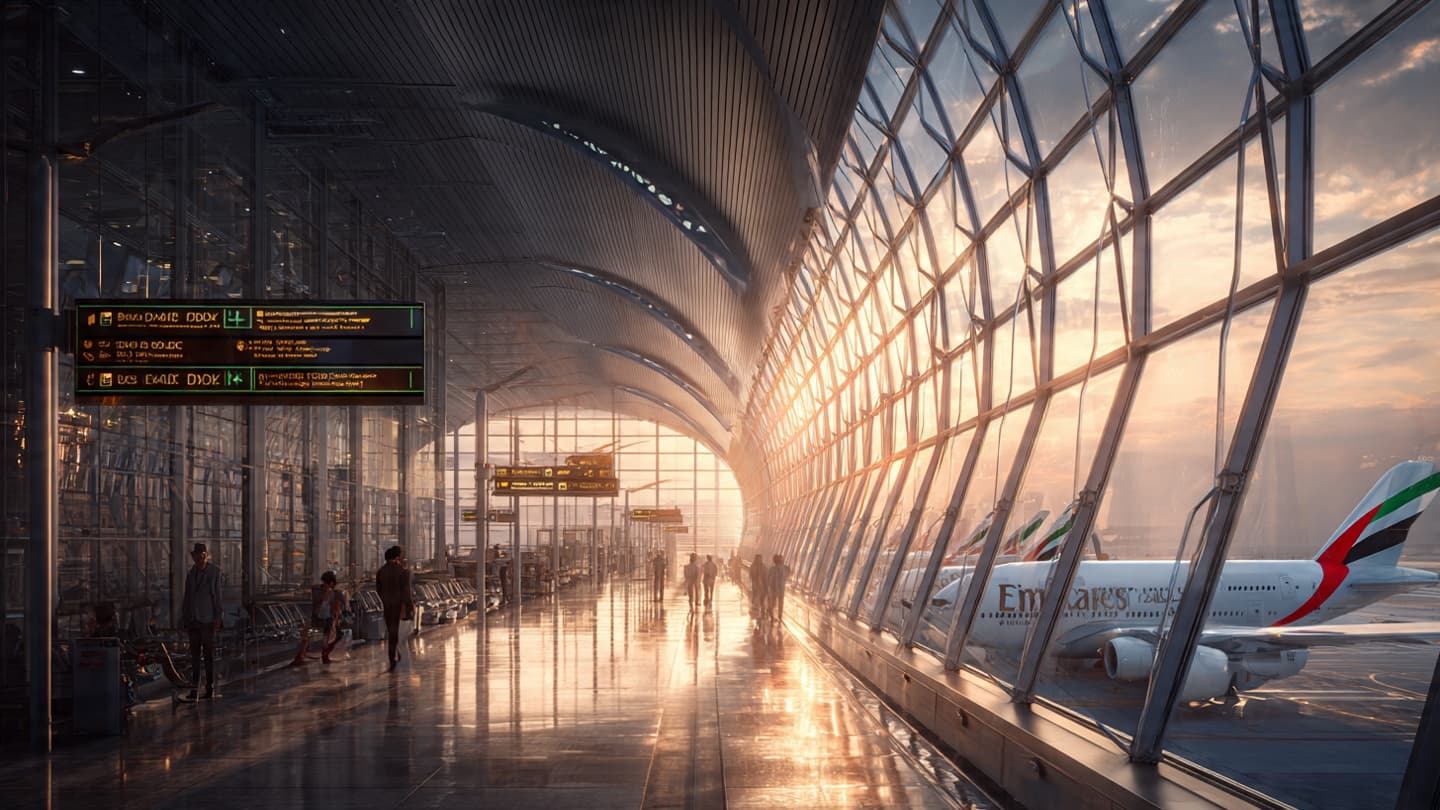
AI Image Disclaimer: Graphics are AI-generated and intended for representation, not reality.
Sources: Gulf News, Reuters, Business Traveller, Arabian Business, Travel Daily Media.
Published by Banx Network. This article is part of the Banx decentralized media programme, powered by the BXE token on the XRP Ledger.