Time is often imagined as something linear, moving forward without return. Yet in laboratories where ancient biology is studied, time occasionally folds back on itself in unexpected and edible ways.
Body: Scientists have successfully revived microbial strains associated with ancient remains, including samples linked to historical human artifacts. In controlled laboratory conditions, these microorganisms have been used to ferment modern sourdough, producing bread with biological traces that may echo thousands of years of history.
The research focuses on extremophile and dormant yeast strains that can survive long periods in preserved environments. Under the right conditions, these organisms can become active again, resuming metabolic processes that have been paused for centuries or even millennia.
In this case, researchers cultivated the revived microbes to study fermentation properties, comparing them with modern commercial yeast strains. The results show differences in flavor profiles, fermentation speed, and microbial diversity.
Food scientists suggest that such experiments offer more than culinary novelty. They provide insights into the evolution of human diets, agricultural practices, and microbial ecosystems that have coexisted with humans throughout history.
The study also highlights how microorganisms act as silent archives of environmental conditions from the past. By analyzing their genetic structure, scientists can infer changes in climate, agriculture, and human settlement patterns.
However, researchers emphasize that these experiments are conducted under strict laboratory safety conditions, ensuring that no uncontrolled release of ancient microorganisms occurs.
Closing: As science continues to explore the boundaries between past and present, even something as familiar as bread becomes a reminder that history can still be alive—quietly fermenting beneath the surface of time.
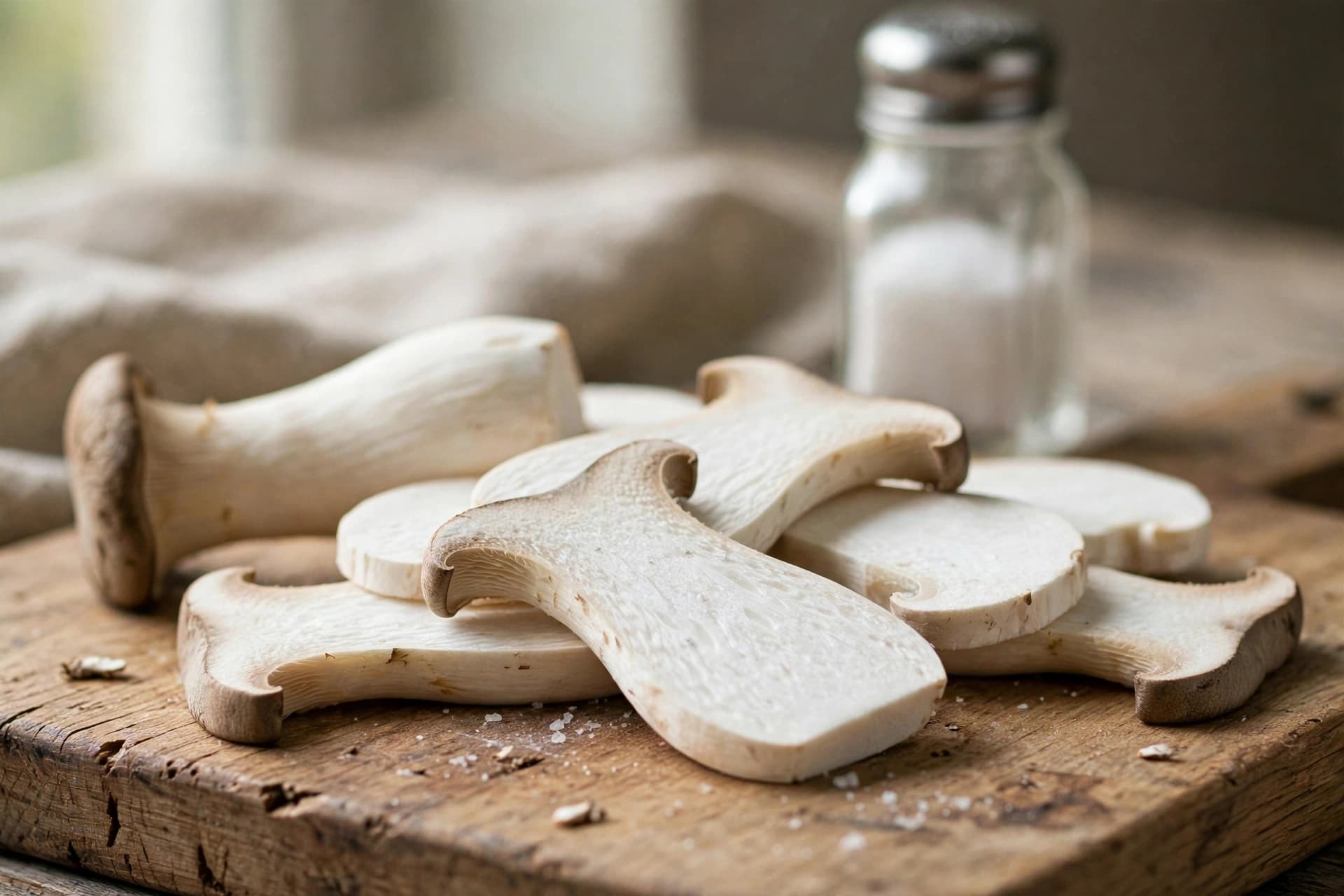
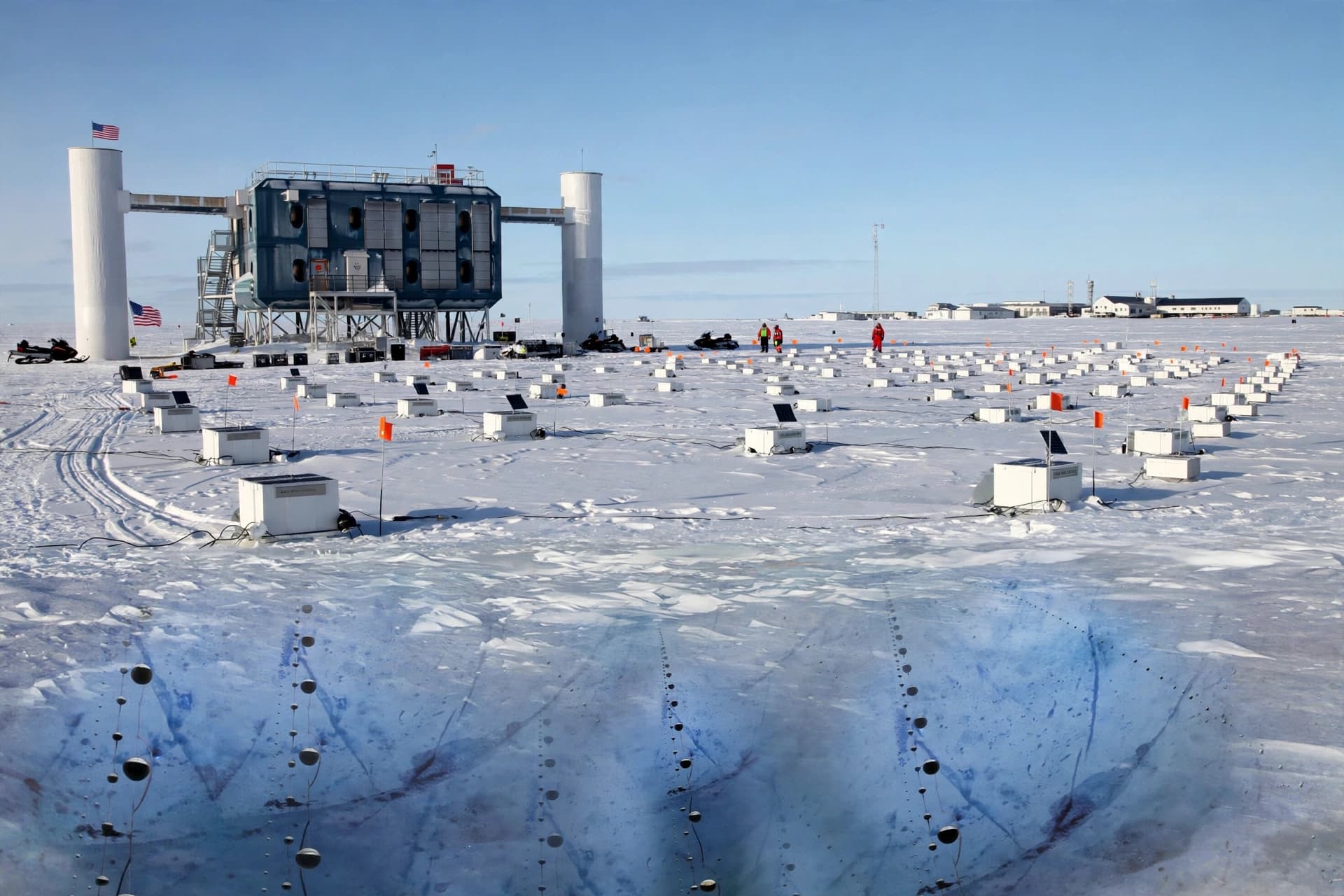
AI Image Disclaimer: Images in this article are AI-generated illustrations intended for educational and editorial visualization purposes.
Sources: Nature Microbiology, Smithsonian Institution, BBC Science Focus, Science Daily, University of Copenhagen Research Reports
Published by Banx Network. This article is part of the Banx decentralized media programme, powered by the BXE token on the XRP Ledger.