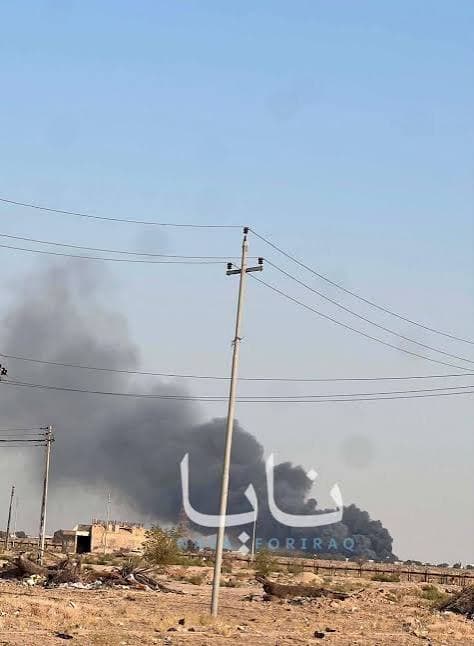
Iran and the United States traded fresh claims over control of the Strait of Hormuz as explosions were reported across parts of Iran and Kuwait reported a column of smoke.
Iran’s side said it had taken control of the strait and that it would remain in Tehran’s hands, framing the move as retaliation linked to U.S. actions and insisting the situation would not revert to what it was before. Iranian officials also suggested management of shipping could be handled by Iran with or without Oman, and Iranian media cited strikes affecting military targets near the strait, including on or around Qeshm island and areas along the coast.
The U.S. disputed Iran’s claim, saying the strait remained an international maritime route and that American forces were positioned to ensure freedom of navigation. U.S. officials said they carried out further strikes aimed at degrading Iran’s ability to threaten commercial shipping through the waterway, with reports describing attacks on missile and air-defense-related targets and small Revolutionary Guard boats in locations near the strait.
Regional fallout was also reported across Gulf states, with missile alerts and interceptions described in multiple countries. Kuwait’s authorities said areas were affected by the fighting, including damage to border posts and offshore infrastructure, while other Gulf governments reported disruptions tied to incoming fire and interception attempts.
With both sides continuing to assert control, shipping through the strait remained a focal point of the crisis, as diplomacy and negotiations reportedly faced increasing strain.
Published by Banx Network. This article is part of the Banx decentralized media programme, powered by the BXE token on the XRP Ledger.