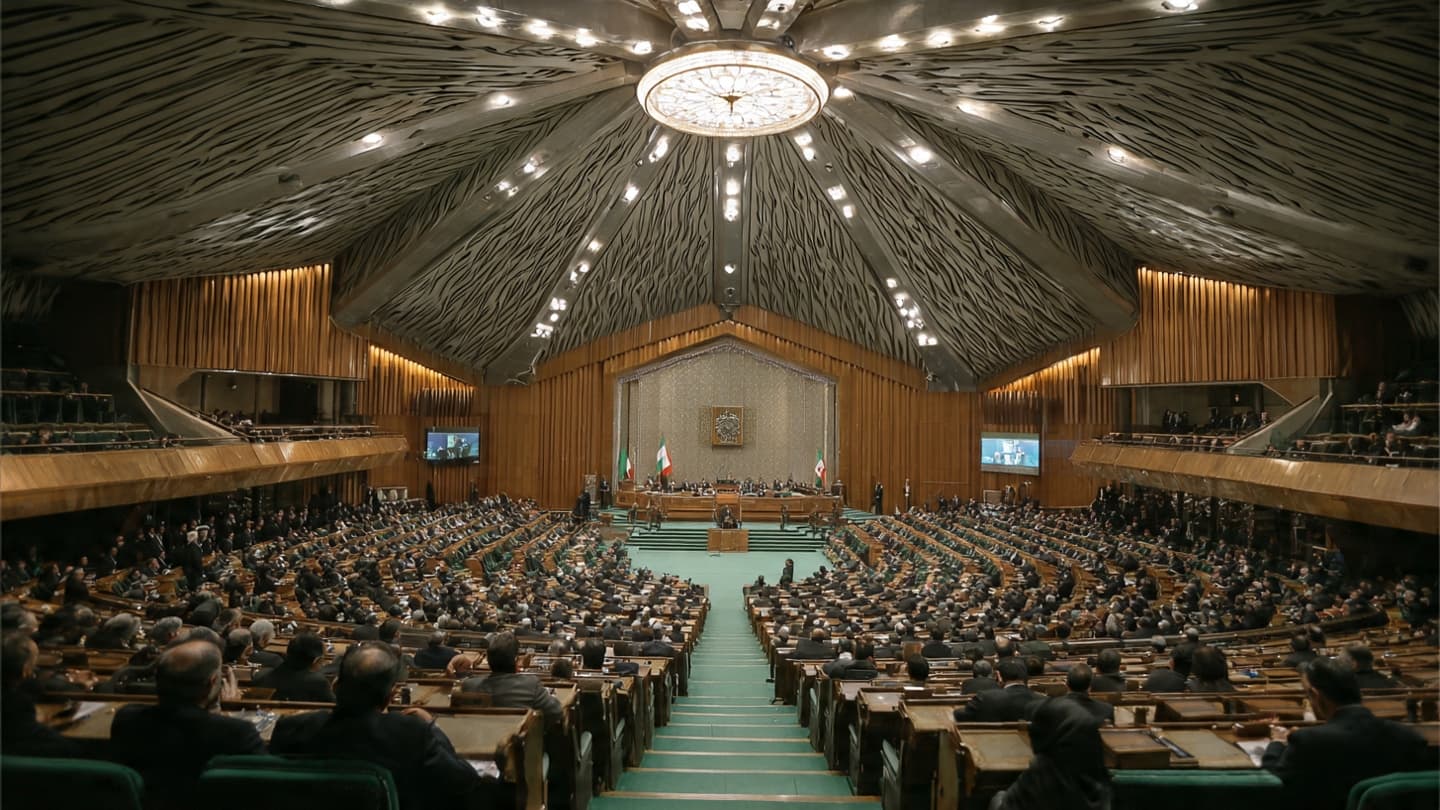
Legislation often serves as both a shield and a beacon. In Tehran, parliamentarians are weighing a new law that could reshape how foreign investment interacts with strategic industries, seeking to protect national interests in a rapidly evolving global economy.
The proposed law would impose stricter limitations on foreign involvement in sectors deemed crucial to Iran’s security and sovereignty. Supporters argue this ensures control over vital resources and sensitive technologies.
Opponents warn that excessive restrictions may hinder economic growth, technological transfer, and international collaboration. Foreign investment has historically provided capital, expertise, and market access—elements critical to modern economies.
The debate reflects broader tensions between economic openness and national security. Countries around the world face similar dilemmas, balancing the desire for foreign engagement with the need to maintain strategic autonomy.
Analysts note that the law could have significant implications for Iran’s industrial planning, regional partnerships, and participation in international markets. The legislation represents a test of the country’s ability to reconcile global integration with domestic priorities.
For domestic stakeholders, the discussion touches on employment, infrastructure development, and access to innovation. Strategic industries often serve as hubs of technological advancement, and the law could shape the trajectory of critical sectors for decades.
Public commentary has been vocal, highlighting economic concerns, sovereignty, and political signaling. How the final law is structured may reflect broader debates about Iran’s role on the world stage.
International investors and observers remain attentive. Foreign companies must assess both regulatory risks and political signals when considering engagement with Iran’s strategic sectors.
As parliament continues deliberation, the outcome will influence both economic strategy and the perception of Iran’s openness to international cooperation, highlighting the ongoing balance between caution and opportunity.
AI Image Disclaimer
Visuals are created with AI tools and are not real photographs.
Sources
Reuters Tehran Times Al Jazeera Financial Times BBC News
Published by Banx Network. This article is part of the Banx decentralized media programme, powered by the BXE token on the XRP Ledger.