
Key Highlights
- Peter Thiel criticized Pope Leo XIV at the Aspen Ideas Festival.
- Thiel accused the pope of favoring Chinese interests in AI regulation.
- Audience reacted with laughter to Thiel's comments.
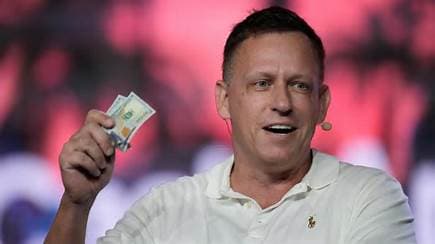
Peter Thiel, the billionaire tech investor and co-founder of PayPal, made headlines at the Aspen Ideas Festival by launching a scathing critique of Pope Leo XIV. During a panel discussion, Thiel argued that the pope's recent encyclical, which calls for stricter international regulation of artificial intelligence, could inadvertently benefit China in the ongoing technological race between the United States and China. Thiel's comments have sparked significant debate about the intersection of technology, ethics, and international relations.
In his remarks, Thiel focused on the pope's call for AI to be "disarmed" and the potential risks associated with unregulated AI development. The encyclical warns of the dangers posed to human employment and the implications for warfare, urging governments to take a proactive stance in regulating AI technologies. Thiel, however, contended that such regulations in the West would hinder progress, allowing China to advance its AI capabilities without similar constraints. He stated, "If we pursue regulation, we will fall behind, while China will continue to innovate without heeding the pope's warnings."
Thiel's assertion that the pope is "working for the Chinese Communists" drew laughter from the audience, highlighting the provocative nature of his comments. This reaction underscores the contentious atmosphere surrounding discussions of AI regulation and its geopolitical implications. Thiel's remarks reflect a broader concern among some tech leaders about the potential for regulatory frameworks to stifle innovation in the United States, particularly in comparison to more permissive environments abroad.
The Aspen Ideas Festival, known for its high-profile speakers and discussions on pressing global issues, provided a platform for Thiel to voice his concerns about the future of AI and its regulation. His comments come at a time when the debate over AI governance is intensifying, with various stakeholders advocating for different approaches to ensure ethical development and deployment of AI technologies.
Thiel's criticism of the pope's stance also raises questions about the role of religious leaders in shaping public policy on technology. As AI continues to evolve and permeate various aspects of society, the intersection of faith, ethics, and technological advancement will likely remain a contentious topic. Thiel's remarks serve as a reminder of the complexities involved in navigating these discussions, particularly when they involve influential figures like the pope.
As the conversation around AI regulation continues, it remains to be seen how these debates will influence policy decisions and the future trajectory of technology in both the United States and China. Thiel's comments at the Aspen Ideas Festival are a clear indication that the stakes are high, and the implications of regulatory decisions will resonate far beyond the tech industry.
Published by Banx Network. This article is part of the Banx decentralized media programme, powered by the BXE token on the XRP Ledger.



