In the quiet precision of space-based observation, the James Webb Space Telescope (JWST) continues to rewrite the textbooks of our solar system. Designed to peer into the deepest reaches of the universe, it has also turned its sensitive infrared eyes toward our own cosmic backyard, revealing details that were previously hidden in plain sight. Recent data from JWST has identified a complex molecule on a distant moon, a discovery that adds a new layer of complexity to our understanding of chemical processes in the outer solar system.
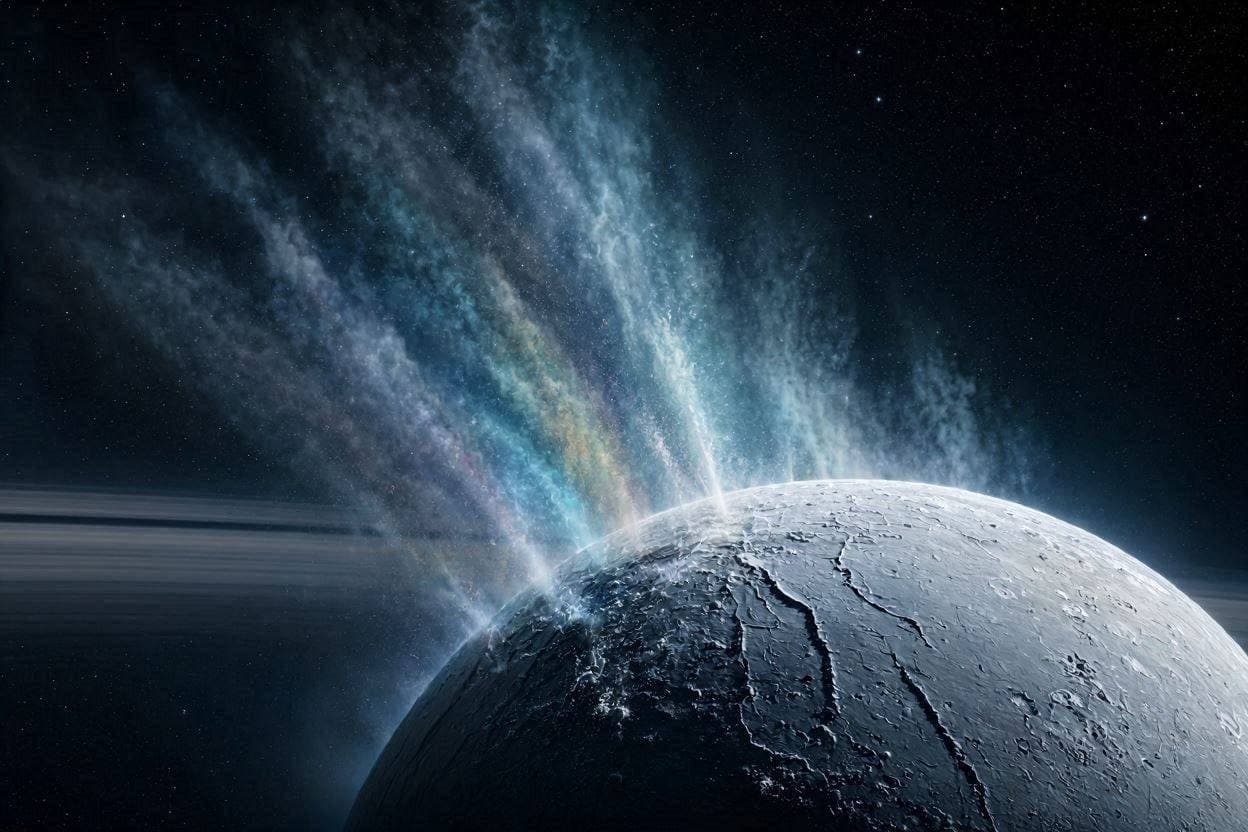
Body: The discovery centers on the detection of a specific organic compound in the plumes of Enceladus, Saturn’s icy moon. While water vapor, methane, and carbon dioxide have been observed before, JWST’s high-resolution spectrometers have identified traces of a more complex prebiotic molecule, possibly a nitrile or a larger hydrocarbon chain, that had never been definitively confirmed in situ. This finding suggests that the subsurface ocean of Enceladus may host a richer chemical inventory than previously thought.
The significance of this discovery lies in its implications for habitability. Complex organic molecules are the building blocks of life as we know it. Their presence in the plumes, which erupt from cracks in the moon’s icy crust, means that they are accessible without the need for drilling through kilometers of ice. This makes Enceladus one of the most promising targets in the search for extraterrestrial life, second only to perhaps Mars or Europa.
JWST’s ability to detect these molecules is due to its advanced infrared capabilities, which can identify the unique spectral fingerprints of different chemical bonds. Unlike previous missions that could only sample particles directly, JWST can analyze the composition of plumes from a distance, providing a broader and more detailed picture of the moon’s chemistry. This non-invasive method allows for continuous monitoring and comparison over time.
The identification of this new molecule also challenges existing models of chemical synthesis in cold, dark environments. It suggests that energy sources within Enceladus, such as hydrothermal vents on the ocean floor, may be driving reactions that produce complex organics at a faster rate than expected. This insight helps scientists understand how prebiotic chemistry can occur in isolated, subsurface worlds.
For the scientific community, this finding is a call to action. It strengthens the case for future missions, such as NASA’s proposed Enceladus Orbilander, which aims to land on the moon and sample its plumes directly. The data from JWST serves as a roadmap, guiding where and what to look for in subsequent explorations. It transforms a distant, icy world into a tangible laboratory for astrobiology.
Moreover, this discovery highlights the versatility of JWST. While it is famous for observing distant galaxies, its contribution to planetary science is equally profound. By studying our own solar system with the same tools used for deep space, astronomers are bridging the gap between local and cosmic science, showing that the same physical laws govern both.
Closing: The detection of a previously unidentified molecule on Enceladus by the James Webb Space Telescope marks a significant milestone in planetary science. It deepens our understanding of the chemical potential of icy moons and reinforces the importance of continued exploration in the search for life beyond Earth.
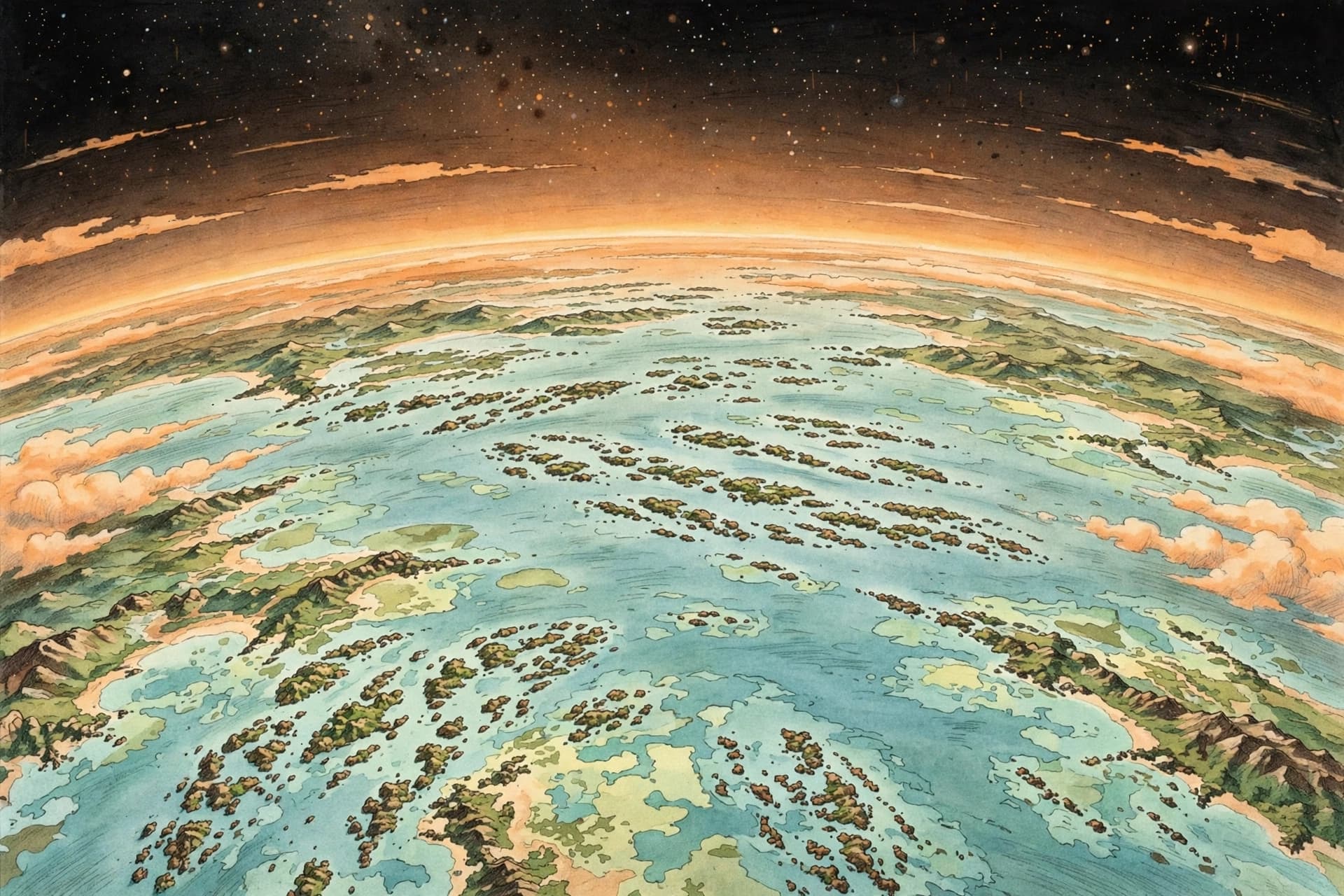
AI Image Disclaimer: Visuals in this article are AI-generated interpretations of molecular structures and planetary plumes, created for illustrative purposes only.
Sources: NASA, Nature Astronomy, Sci.News, Space.com, Planetary Society
Published by Banx Network. This article is part of the Banx decentralized media programme, powered by the BXE token on the XRP Ledger.