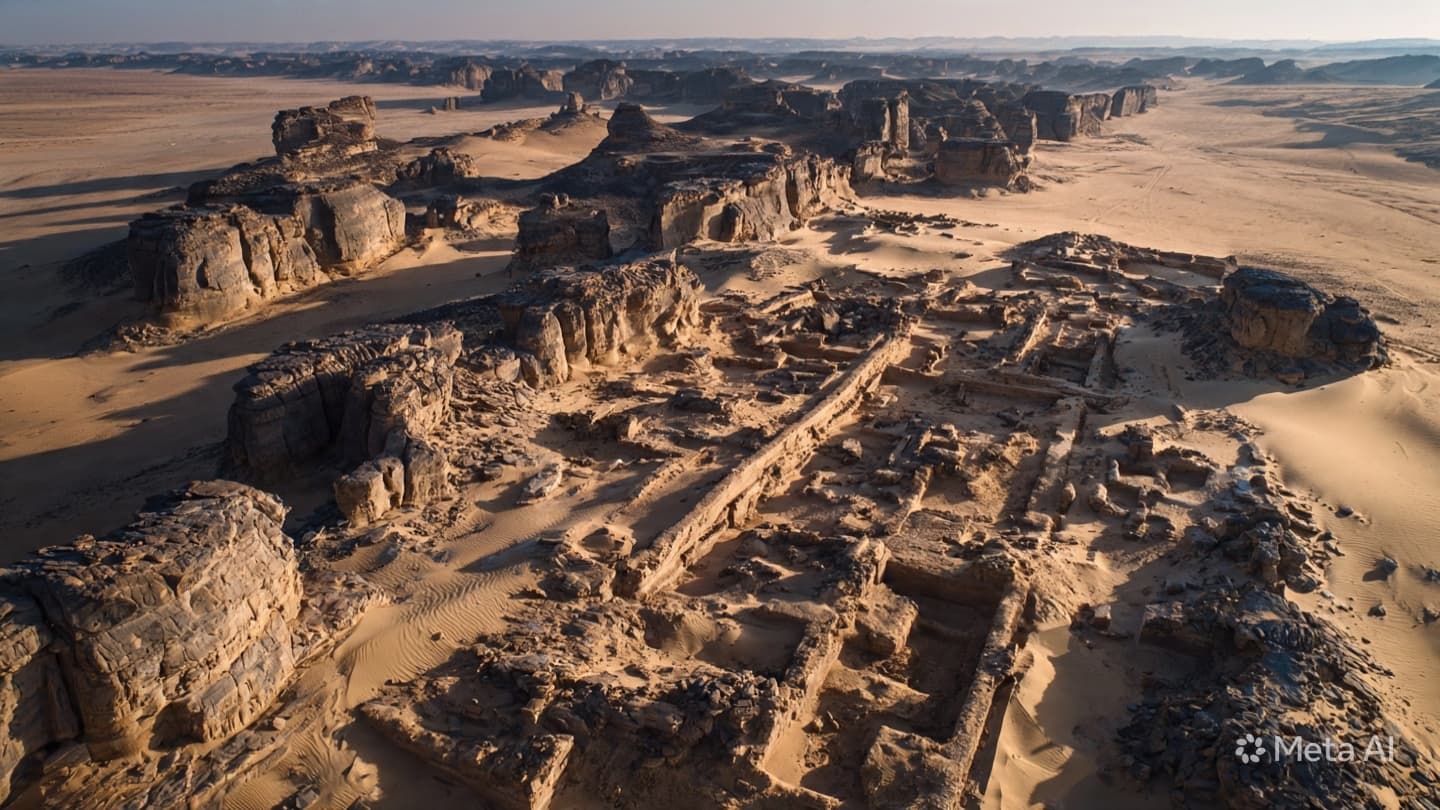
The history of a land is written not only in its grand monuments or the enduring contours of its geography but in the small, portable remnants of daily life that have survived the long, silent passage of centuries. To hold an antiquity is to hold a fragment of a story that long predates our own, a connection to the ancestors who walked these same sands. Recently, the Saudi Heritage Commission undertook a series of measured, regulatory actions, imposing financial penalties on eleven individuals who sought to treat these pieces of our shared identity as mere commodities in the digital marketplace.
This move is not an act of sudden intervention, but a reflection of a growing, collective realization that the preservation of culture requires active, constant vigilance. In the digital age, where the reach of commerce is global and often anonymous, the temptation to trade in heritage items without the guidance of legal oversight has become a pervasive challenge. By documenting and registering these artifacts, the Kingdom seeks to ensure that its cultural wealth is not dispersed into the shadows of private collections, but remains part of a traceable, protected national legacy.
For the commission, the enforcement of these regulations is a matter of ensuring that the law—specifically the Law of Antiquities, Museums and Urban Heritage—is understood not as a hurdle, but as a framework for stewardship. The fines, which reached up to 15,000 riyals, serve as a reminder that the heritage of the nation is not private property to be traded, but a collective trust. Each object, whether a coin, a tool, or a shard of pottery, acts as a primary source for understanding the layers of human existence that have shaped the region.
The digital platforms that were used for these unlicensed transactions have, in this instance, become the very sites where the oversight was applied. By monitoring these spaces, the commission has signaled that the reach of protection extends into the virtual world, ensuring that the integrity of heritage sites and collections is maintained across all modern interfaces. It is a necessary adaptation to a changing reality, where the preservation of the past must be as agile as the technology that threatens to commodify it.
Observers of this regulatory landscape note that such efforts are part of a broader, long-term vision for the Kingdom. As the country opens its doors to the world, the value of its unique cultural heritage becomes increasingly significant. Safeguarding these assets is a way of anchoring the nation’s future in the depth of its past, ensuring that as we move toward the horizons of modernity, we do not lose the threads that connect us to our origins.
This process of accountability is one that invites citizens and residents to become participants in the guardianship of their own history. By encouraging the public to report violations through platforms like the Archaeological Site Reporting portal or the unified security operations center, the commission is effectively widening the circle of protection. It is a shared responsibility, one where the eyes of the community serve as the first line of defense against the loss of irreplaceable historical data.
The legal action taken against these individuals is a step toward a more orderly, respectful engagement with the material past. It reflects a shift in awareness—a move away from the view of antiquities as mere curiosities toward an understanding of them as vital links in the chain of national identity. In this quiet, regulatory work, one can see the deeper commitment to ensuring that the stories of the past are not silenced by the noise of the present.
As these artifacts are recovered and documented, they find their place within the broader tapestry of the nation’s narrative. The commission’s commitment to monitoring and enforcement remains steadfast, ensuring that any future attempts to bypass the regulatory framework are met with the necessary legal response. It is a story of persistence, where the goal is to ensure that the silent echoes of our history remain clear and accessible for the generations yet to come.
The Saudi Heritage Commission has officially imposed financial penalties on 11 individuals for dealing in portable antiquities without the required regulatory licenses. The violations involved the unauthorized display and sale of these items on various online platforms. Officials stated that the move is part of an ongoing national strategy to protect cultural heritage and ensure full compliance with the Law of Antiquities, Museums and Urban Heritage. The commission continues to urge the public to report any suspicious activities through its official channels, including the "Balagh Athari" platform or the 911 emergency center.
Published by Banx Network. This article is part of the Banx decentralized media programme, powered by the BXE token on the XRP Ledger.