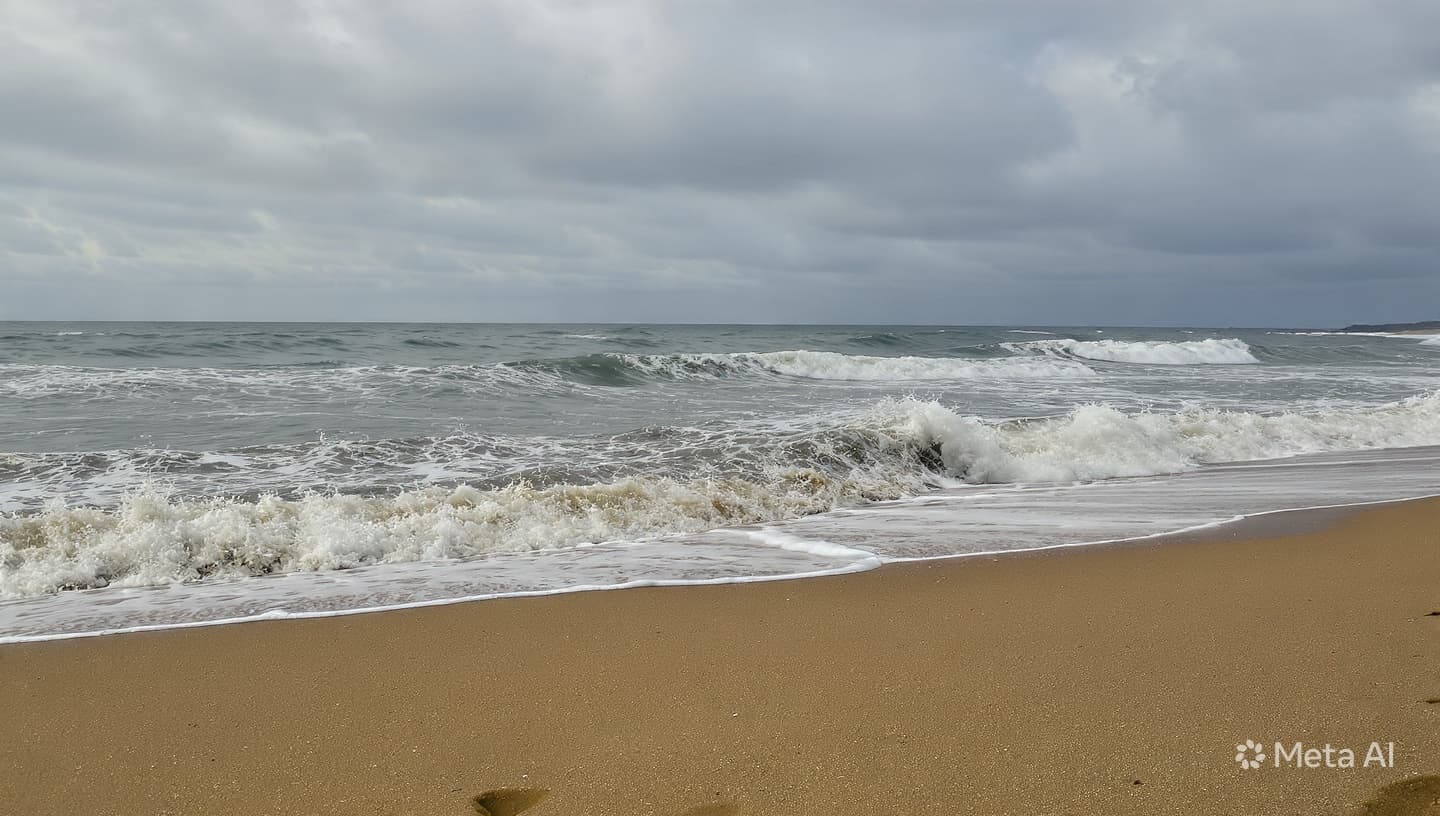
There is an undeniable magnetism to the Panamanian coast. Whether it is the turquoise clarity of the Caribbean or the powerful, crashing surf of the Pacific, the water draws travelers toward its edge with a promise of serenity. Yet, beneath the beauty lies a reality that demands a shift in perception: the coast is a dynamic, often indifferent environment where safety is never guaranteed. To reflect on these zones is to acknowledge that the absence of warning signs is not an invitation to complacency; it is a call for a heightened, personal sense of responsibility.
The danger of the sea is often silent. Strong currents and undertows are a constant feature of the Panamanian littoral, and they do not always manifest as turbulent water. The editorial reality is that many visitors are caught off guard by the sheer strength of these forces. When we step into the water, we are entering a space where the ocean’s behavior is dictated by topography and tide, not by our desire for a refreshing swim.
We must also contemplate the role of the landscape in the broader context of natural hazards. The tropical environment is one of extreme weather events—flash floods, landslides, and seasonal storms that can transform a tranquil coastal village into a site of distress in a matter of hours. These events are not exceptions; they are a fundamental part of the seasonal rhythm in Panama. For the traveler, this means that "safety" is a fluid concept that must be re-evaluated daily.
The reflection here is one of humility. To explore these regions is to be a guest in a place of immense power. It is a call to move away from the assumption that the infrastructure of tourism (lifeguards, flags, signs) is omnipresent. In Panama, often, you are your own primary safety monitor. This requires an active, constant appraisal of the conditions—checking the weather, listening to local advice, and respecting the limits of one’s own capabilities.
As we consider these hazards, the focus should not be on fear, but on a more nuanced understanding of our surroundings. The coastal beauty of Panama is a privilege to experience, but it is one that requires a foundation of caution. By prioritizing situational awareness and staying informed about the potential for natural hazards, we can ensure that our engagement with the coast remains an exploration rather than a risk.
Official advisories consistently warn that Panama's beaches often lack lifeguards and warning signage. Travelers are urged to exercise extreme caution when swimming, as rip currents and undertows are common. Furthermore, the vulnerability of coastal regions to seasonal heavy rains, flooding, and landslides makes it essential for visitors to stay updated on weather alerts and to have a clear understanding of local emergency protocols, including evacuation routes for potential natural disasters.
Published by Banx Network. This article is part of the Banx decentralized media programme, powered by the BXE token on the XRP Ledger.