As summer reaches its zenith, bringing with it the promise of fresh salads and vibrant outdoor dining, a less welcome guest has arrived at the table. Across the United States, cases of Cyclospora infection are rising, casting a shadow over the season’s culinary delights. This parasitic illness, often linked to imported produce, serves as a quiet reminder of the complex global supply chains that feed us and the vulnerabilities inherent within them.
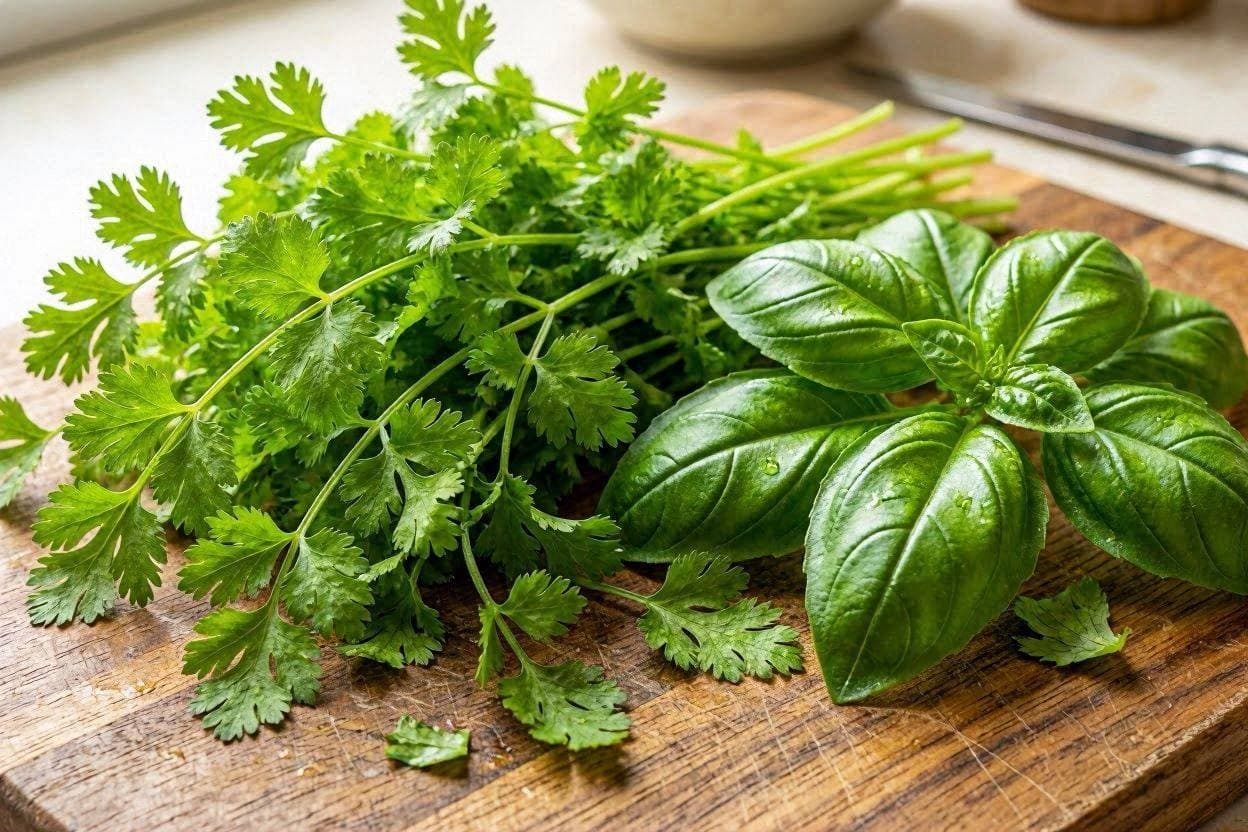
The Centers for Disease Control and Prevention (CDC) has reported a significant increase in Cyclosporiasis cases, with outbreaks traced back to various types of fresh produce, including cilantro, basil, and lettuce. Unlike common foodborne illnesses that may resolve quickly, Cyclospora can cause prolonged and severe gastrointestinal distress, including watery diarrhea, loss of appetite, and fatigue. For those affected, the summer months can become a period of discomfort rather than celebration.
The parasite, Cyclospora cayetanensis, is microscopic and requires specific conditions to become infectious. It is typically spread through contaminated water or soil in regions where sanitation may be compromised. When produce grown in these areas is imported without adequate washing or treatment, it can carry the parasite into American kitchens. The warm, humid weather of summer further facilitates the survival and potential spread of such pathogens.
Health officials emphasize that cooking kills the parasite, but since the affected items are often consumed raw, the risk remains high. Washing produce at home, while good practice, may not always remove the resilient oocysts of Cyclospora. This places a heavy burden on importers and regulators to ensure that safety standards are met before the food reaches consumers. The complexity of international trade makes this a challenging task, requiring vigilance at every step.
The expected continuation of outbreaks through August suggests that the issue is systemic rather than isolated. Multiple states have reported clusters of cases, indicating that the contamination may be widespread across certain supply lines. Public health departments are working tirelessly to trace the sources, issuing recalls and warnings to help mitigate the spread. However, the lag time between exposure and symptom onset can make tracking difficult.
For consumers, the situation calls for heightened awareness without panic. Choosing cooked vegetables when possible, staying informed about recall notices, and practicing good hygiene can reduce risk. Restaurants and food service providers are also being urged to source ingredients from reputable suppliers who adhere to strict safety protocols. The collective effort of industry and individuals is crucial in managing this public health challenge.
The economic impact on farmers and importers is also notable, as fear of contamination can lead to decreased demand for certain crops. This highlights the delicate balance between maintaining access to diverse, fresh foods and ensuring their safety. Strengthening regulatory frameworks and investing in better detection technologies may offer long-term solutions to prevent future outbreaks.
Closing: As the summer progresses, the focus remains on monitoring the situation and protecting public health. The Cyclospora outbreaks serve as a prompt for reflection on our food systems, urging continued diligence and cooperation to ensure that our meals remain safe and enjoyable.
AI Image Disclaimer: The visual content accompanying this article is AI-generated for illustrative purposes and does not depict actual laboratory samples or specific patients.
Sources: CDC FDA NPR Reuters
Published by Banx Network. This article is part of the Banx decentralized media programme, powered by the BXE token on the XRP Ledger.