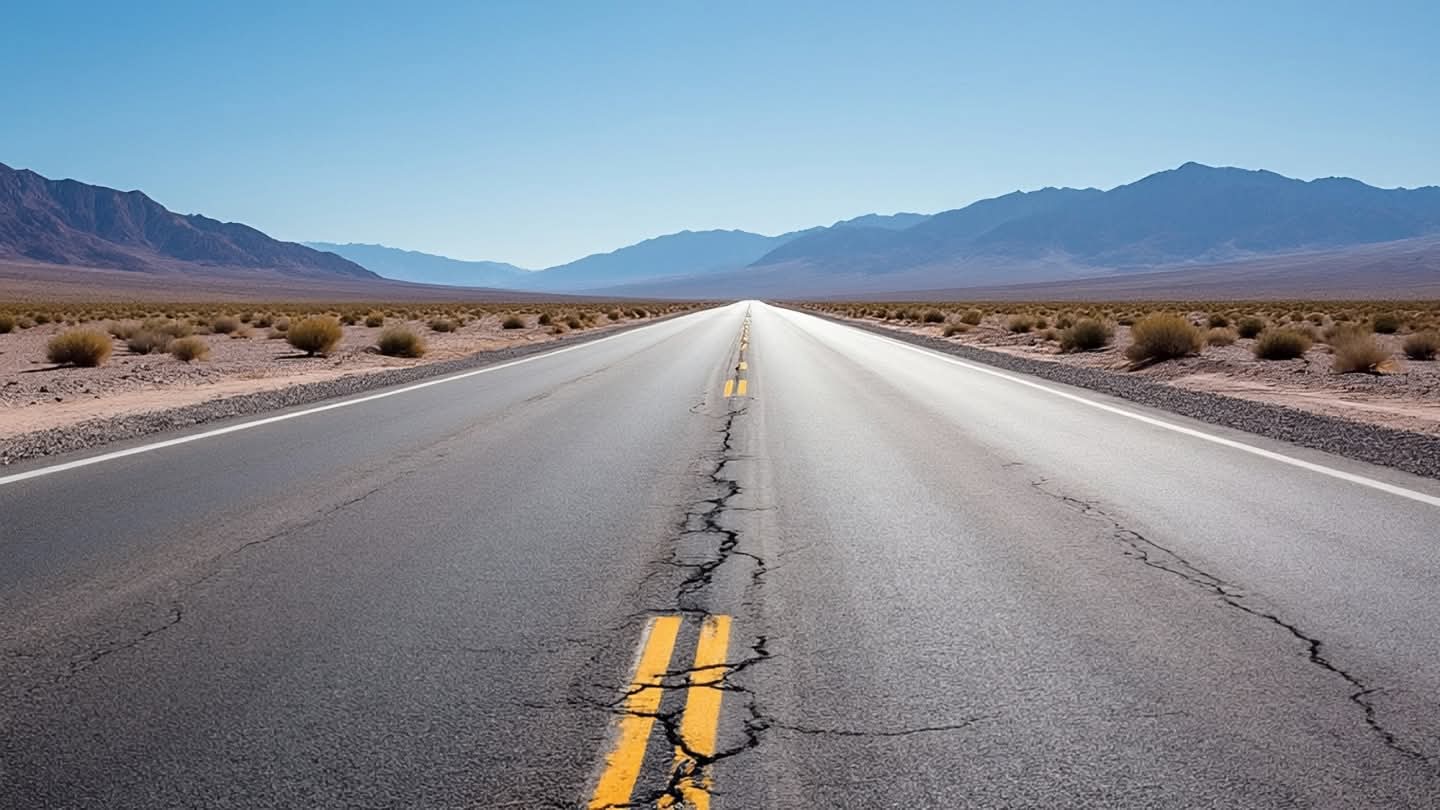
Opening: In an age where travel has become both a commodity and a currency, the allure of the iconic often overshadows the quiet beauty of the unknown. We flock to the Eiffel Tower and the Great Wall, seeking validation through familiar landmarks, yet the world is vast enough to hold secrets that remain untouched by the crowds. There exists a parallel map of wonder, one drawn not by popularity but by presence, where ancient ruins sleep under desert stars and waterfalls crash into emerald pools without an audience. These places invite us to look beyond the postcard and discover the soul of the planet in its unguarded moments.
Body: Consider the silent majesty of the Danakil Depression in Ethiopia, a landscape so alien it feels like another planet. Here, acid pools bubble in hues of neon yellow and green, surrounded by salt flats that stretch to the horizon. It is a place of extreme beauty and harsh reality, where few venture due to its remoteness and heat. Yet, for those who make the journey, the reward is a visceral connection to the raw power of geological forces, a reminder of the Earth’s dynamic and untamed nature.
Further east, the ancient city of Merv in Turkmenistan stands as a testament to the Silk Road’s forgotten glory. Once a major oasis-city on the historical trade route between Central Asia and Iran, it now lies in ruins, overtaken by sand and silence. Walking through its crumbling walls, one can almost hear the echoes of merchants and scholars who once debated philosophy and traded spices. It is a humbling experience, offering a perspective on the impermanence of human achievement against the backdrop of time.
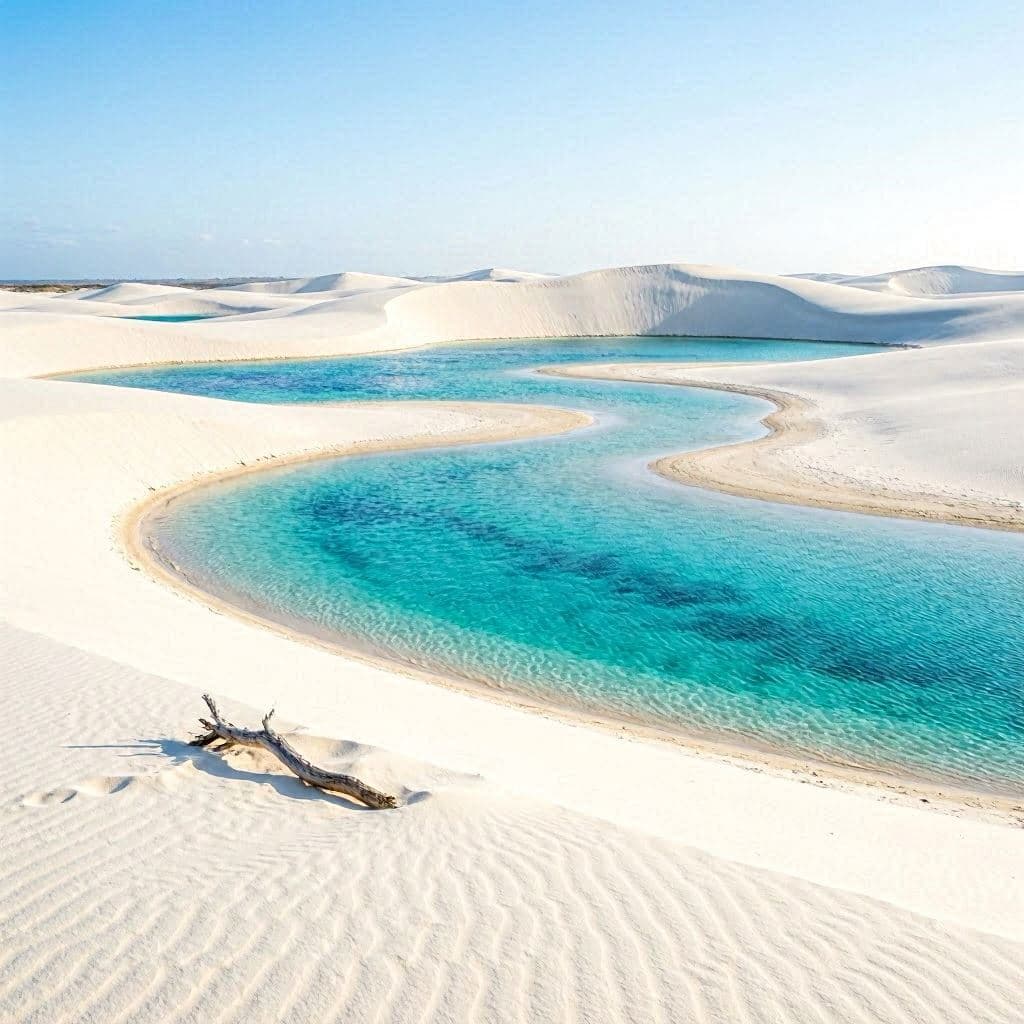
In South America, the Lençóis Maranhenses National Park in Brazil offers a surreal spectacle of white sand dunes interspersed with rainwater lagoons. During the rainy season, these temporary lakes fill with crystal-clear water, creating a mosaic of blue and white that defies description. Unlike the crowded beaches of Rio, this natural wonder remains relatively secluded, accessible only by rugged tracks. It is a place where nature’s artistry is displayed in its purest form, untouched by commercialization.
The remote islands of Socotra, off the coast of Yemen, are home to flora found nowhere else on Earth. The dragon’s blood trees, with their umbrella-shaped canopies and red sap, create a landscape that looks like a fantasy illustration. Isolated for millions of years, Socotra has evolved into a biodiversity hotspot, preserving species that have vanished elsewhere. Visiting requires effort and permission, but the result is a glimpse into an evolutionary timeline that has remained distinct from the rest of the world.
Closer to Europe, the Matera region in Italy offers a different kind of wonder. Carved into the limestone cliffs, the Sassi di Matera are among the oldest continuously inhabited settlements in the world. Once considered a shame due to poverty, they are now recognized as a UNESCO World Heritage site. Living in these cave dwellings provides a unique perspective on human resilience and adaptation, blending history with modern life in a way that feels both ancient and contemporary.
These destinations share a common thread: they demand more from the traveler. They require patience, curiosity, and a willingness to step off the beaten path. In return, they offer experiences that are deeply personal and transformative. They remind us that travel is not just about seeing sights but about engaging with the world in a meaningful way, respecting its diversity and complexity.
Closing: In the end, the most underrated wonders are those that ask for our attention rather than our admiration. They do not shout for recognition but wait quietly for those who are willing to listen. As we plan our next journeys, perhaps we might consider looking beyond the famous names and discovering the hidden gems that hold the true magic of our world.
AI Image Disclaimer: Please note that any accompanying visuals for this narrative are artificially generated interpretations meant to evoke the spirit of the story, not documentary evidence.
Sources: National Geographic Condé Nast Traveler UNESCO World Heritage Centre
Note: This article was published on BanxChange.com and is powered by the BXE Token on the XRP Ledger. For the latest articles and news, please visit BanxChange.com