The delicate fabric of peace in the Middle East has once again been tested by the thunder of military engagement. As the United States intensifies its campaign against Iranian targets, the region finds itself at a precarious crossroads, where diplomatic efforts struggle to keep pace with the rapid escalation of hostilities. The resumption of a naval blockade and continued airstrikes mark a significant deepening of the conflict, raising concerns about broader regional stability.
In recent days, U.S. Central Command confirmed a new round of strikes targeting military infrastructure across Iran. These operations, described as necessary to degrade Tehran’s capacity for aggression, have focused on command centers, missile sites, and logistical hubs. The precision of these attacks aims to minimize civilian casualties while delivering a strategic blow to Iran’s military capabilities. However, the intensity of the bombardment has drawn sharp condemnation from Iranian officials, who vow to respond with equal force.
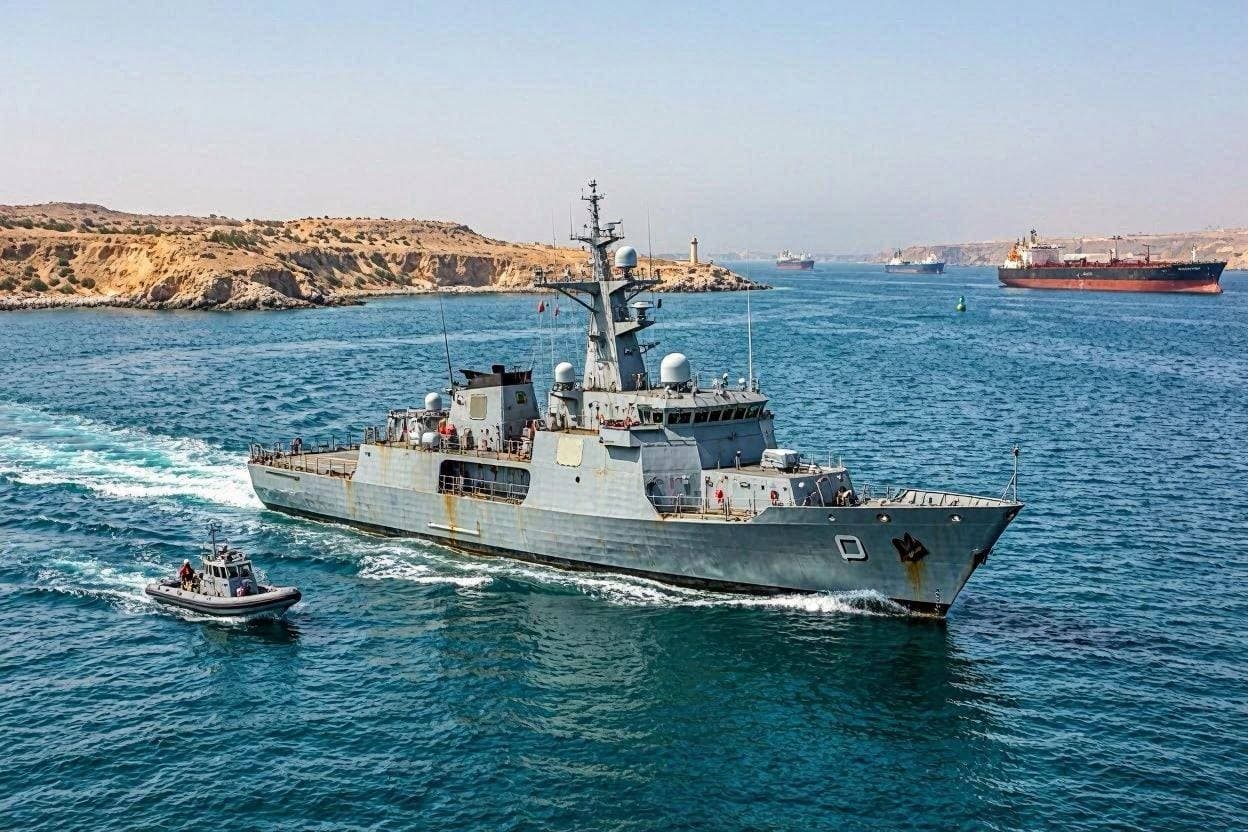
Simultaneously, the United States has reinstated a naval blockade of Iranian ports, a move that significantly restricts the flow of goods and energy resources. This decision, announced by President Trump, seeks to exert economic pressure on Tehran and curb its influence in the Strait of Hormuz. The blockade involves a robust presence of U.S. naval vessels, which are tasked with intercepting and inspecting ships suspected of carrying prohibited materials. This measure has already led to increased tensions with international shipping companies and neighboring states.
The Strait of Hormuz, a critical chokepoint for global oil supplies, has become a focal point of the crisis. Iran’s threat to close the waterway in retaliation has sent shockwaves through global markets, causing oil prices to spike. The potential for a prolonged disruption in energy flows poses a serious risk to the global economy, prompting urgent calls for de-escalation from major powers including China and the European Union.
Regional allies, particularly Israel and Saudi Arabia, have expressed strong support for the U.S. actions, viewing them as a necessary deterrent against Iranian expansionism. However, there is also apprehension about the possibility of the conflict spiraling into a wider war that could engulf the entire Gulf region. Diplomatic channels remain open, but trust between the adversaries is at an all-time low, making negotiations difficult.
Humanitarian concerns are mounting as the conflict intensifies. Civilian populations in both Iran and neighboring countries face the dual threats of direct violence and economic hardship. Aid organizations are preparing for potential displacement crises, urging all parties to adhere to international humanitarian law. The human cost of this geopolitical struggle is a stark reminder of the fragility of life in times of war.
International mediators, including the United Nations and Oman, are working tirelessly to broker a ceasefire. Their efforts focus on creating safe corridors for humanitarian aid and establishing mechanisms for dialogue. While progress has been slow, the global community remains committed to finding a peaceful resolution to the crisis.
Closing: As the strikes continue and the blockade tightens, the world watches with bated breath. The path forward requires not just military strength but diplomatic wisdom, ensuring that the quest for security does not come at the expense of lasting peace.
AI Image Disclaimer: The visual content accompanying this article is AI-generated for illustrative purposes and does not depict actual military operations or political figures.
Sources: The New York Times The Guardian CNN Al Jazeera
Published by Banx Network. This article is part of the Banx decentralized media programme, powered by the BXE token on the XRP Ledger.