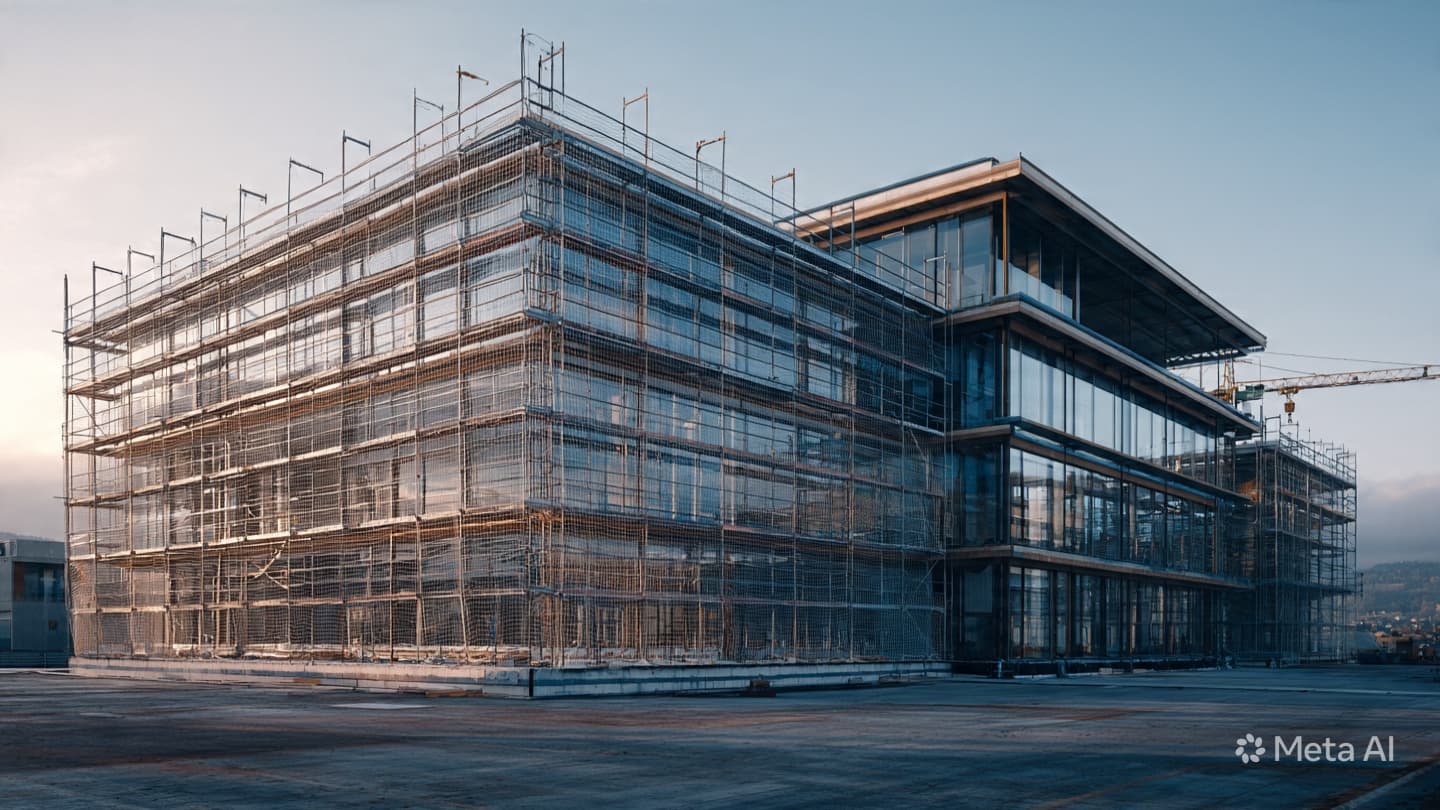
The quiet expansion of our commercial districts often moves in tandem with the city’s broader ambitions, a steady march of glass and concrete that reshapes the horizon. Yet, beneath the veneer of progress lies an intricate web of standards designed to anchor this growth to the bedrock of public safety. It is a system built on the premise that commerce should not merely flourish, but endure within a framework that prioritizes the well-being of every citizen who passes through these doors.
In recent months, the conversation regarding these standards has regained a sense of urgency. It is an observation born of the understanding that regulations are not static obstacles to growth but are instead the essential safeguards that prevent the erosion of trust between a community and its institutions. As businesses grow more complex, the mechanisms of oversight must evolve with them, ensuring that the promise of safety is kept in every corner of the marketplace.
The call for stricter enforcement is framed less as an adversarial challenge and more as a necessary re-alignment. There is a collective recognition that the pace of development can occasionally outstrip the capacity for oversight, creating gaps where risk can quietly take root. When these gaps appear, they often invite a conversation about the nature of responsibility, questioning who holds the mandate to ensure that the physical spaces of our daily lives remain resilient.
Central to this discourse is the role of regulatory bodies tasked with the methodical application of safety codes. These entities often operate in the background, working through blueprints and inspections with a level of detail that the public rarely sees. However, their influence is felt in the stability of the structures we inhabit and the clarity of the procedures designed to protect us in times of uncertainty.
The debate is also a reflection of the evolving relationship between the private sector and public policy. As new businesses emerge and existing ones adapt to modern challenges, the challenge for lawmakers is to maintain a standard that is both rigorous and adaptable. It is a fine balance to strike—encouraging the dynamism of the market while ensuring that safety remains an uncompromising constant.
There is a reflective quality to the current discussions, a pause in the momentum of growth to reconsider the foundations upon which our commerce rests. This introspection suggests a maturity in the public’s approach to safety, moving beyond reactive measures toward a more proactive, systemic philosophy of prevention. It is a shift toward a culture where accountability is viewed as an asset rather than a burden.
The implications of this movement are broad, touching everything from fire suppression systems to the structural integrity of public-facing venues. By emphasizing the consistent application of existing laws, the community is articulating a vision for a future where economic progress and safety are not seen as competing interests, but as complementary forces that define the quality of urban life.
As officials and stakeholders continue to dialogue, the focus remains on the implementation of more robust inspection regimes and the modernization of enforcement tools. This transition is expected to foster a environment where transparency is elevated and the standards of commercial conduct are clearly understood and upheld. The objective is a landscape that serves the needs of its inhabitants while maintaining the vigilance required to protect them.
Published by Banx Network. This article is part of the Banx decentralized media programme, powered by the BXE token on the XRP Ledger.