
Life expectancy is often described as one of the clearest reflections of a population’s overall health. It does not capture every dimension of well-being, yet it offers valuable insight into how effectively societies support health across generations. In the United States, ongoing discussions continue regarding a life expectancy gap that remains a challenge for healthcare leaders and researchers.
Medical science has achieved extraordinary advances over recent decades. New treatments, improved diagnostics, and expanding scientific knowledge have transformed care for countless conditions. These achievements have extended and improved lives in ways previous generations could scarcely imagine.
Yet experts note that life expectancy depends upon far more than access to medical treatment alone. Factors such as nutrition, housing, education, employment conditions, environmental quality, and preventive healthcare all influence long-term outcomes. Health begins long before an individual enters a hospital or clinic.
Researchers examining international comparisons often observe differences in chronic disease prevalence, injury rates, maternal health indicators, and lifestyle-related conditions. These elements collectively shape national life expectancy figures and contribute to variations among countries.
Preventive healthcare remains a recurring theme in public health discussions. Early detection, vaccination programs, routine screenings, and community health initiatives can help reduce disease burdens while improving quality of life. Investments in prevention frequently generate benefits that extend across entire populations.
The issue also highlights the importance of health equity. Different communities may experience varying levels of access to healthcare services, healthy environments, and economic opportunities. Addressing these disparities is often viewed as an essential component of improving overall outcomes.
Public health experts emphasize that progress should be measured not only by lifespan but also by quality of life. Healthy aging, disease prevention, and functional well-being are increasingly recognized as important goals alongside longevity itself.
Policymakers, researchers, and healthcare organizations continue exploring strategies designed to strengthen outcomes. Data analysis, community partnerships, and targeted interventions provide valuable tools for understanding challenges and identifying effective responses.
The conversation surrounding life expectancy ultimately reflects broader questions about resilience and opportunity. How can societies create conditions that allow individuals to live longer, healthier, and more fulfilling lives? The answer involves collaboration across numerous sectors and sustained commitment over time.
While the gap remains a subject of concern, experts also point to ongoing innovation and research as reasons for optimism. Improvements may require patience, but continued attention to prevention, equity, and public health offers pathways toward stronger outcomes in the years ahead.
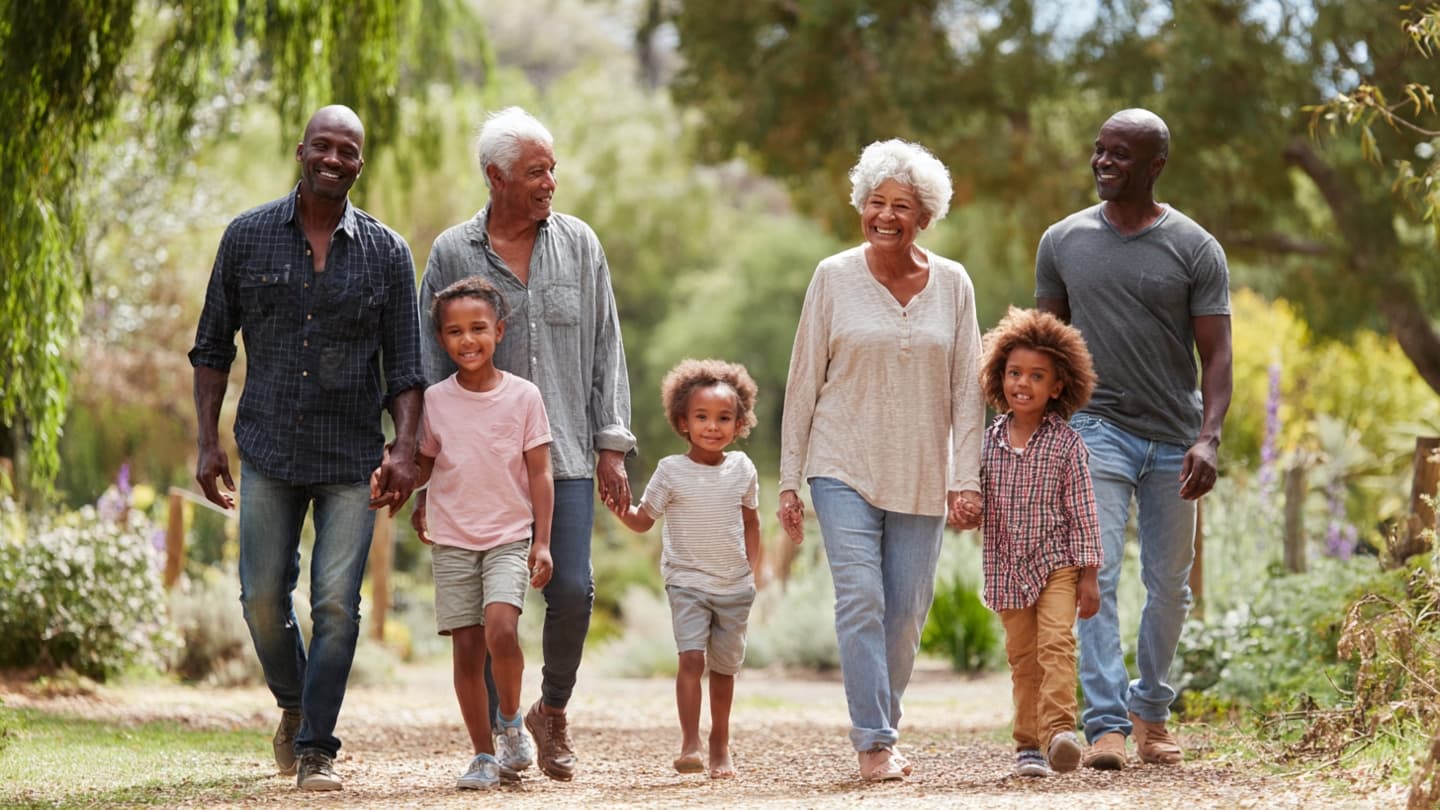
AI Image Disclaimer Images in this article are AI-generated illustrations, meant for concept only.
Source Check Credible sources identified before writing:
U.S. News & World Report Reuters World Health Organization (WHO) OECD Health Statistics Commonwealth Fund
Note: This article was published on BanxChange.com and is powered by the BXE Token on the XRP Ledger. For the latest articles and news, please visit BanxChange.com