For over three decades, the Hubble Space Telescope has been more than just an instrument; it has been a window into the soul of the cosmos, capturing images that have defined our visual understanding of the universe. As it orbits Earth, sending back data that continues to challenge and refine scientific theories, a quiet but determined effort is underway to ensure its legacy endures. Recent discussions highlighted by Nature reveal a growing international consensus on the importance of preserving this iconic observatory, not merely as a relic of the past, but as a vital partner in the present era of astronomy.
Body: The longevity of Hubble is a testament to its robust design and the foresight of its creators, who built it with serviceability in mind. However, as its components age, the need for innovative maintenance solutions has become increasingly urgent. The scientific community is now exploring a range of options, from robotic servicing missions to collaborative software upgrades that can optimize its remaining hardware. These efforts are not driven by nostalgia alone but by the unique scientific value Hubble still provides, particularly in ultraviolet observations where newer telescopes like JWST do not operate.
International collaboration plays a central role in these sustainability efforts. NASA and the European Space Agency (ESA), long-time partners in the Hubble mission, are joined by private aerospace companies and academic institutions worldwide. This diverse coalition brings together expertise in robotics, orbital mechanics, and data analysis, creating a multidisciplinary approach to extending the telescope’s life. The shared commitment reflects a broader recognition that space infrastructure is a global resource that benefits all of humanity.
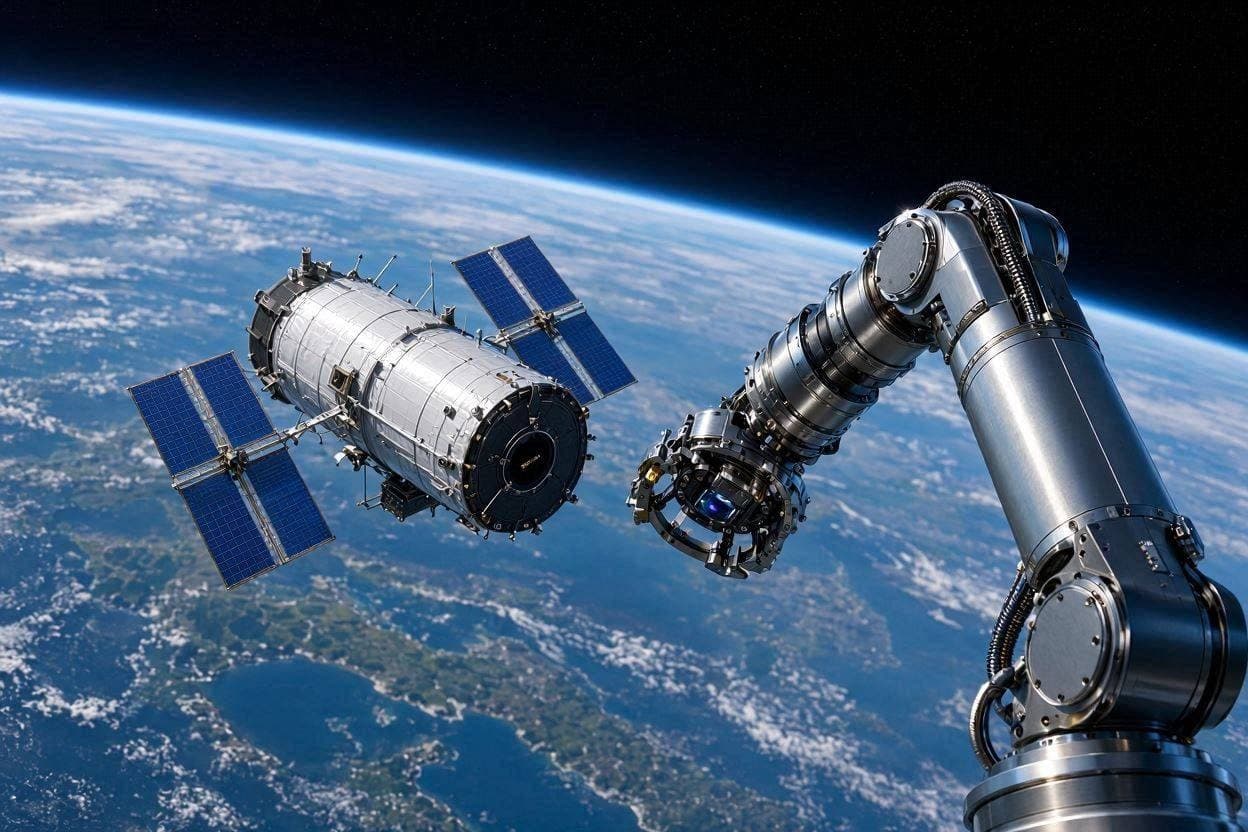
One of the most promising avenues being explored is the development of autonomous robotic vehicles capable of performing delicate repairs in orbit. These missions, while technically challenging, offer a safer and more cost-effective alternative to manned shuttle missions. By leveraging advances in artificial intelligence and precision engineering, scientists hope to replace failing gyroscopes or upgrade instruments without risking human lives. This shift marks a new chapter in space operations, where automation and international cooperation go hand in hand.
Beyond physical repairs, the scientific community is also focusing on maximizing Hubble’s output through advanced data processing techniques. Machine learning algorithms are being used to correct for instrumental drift and enhance image quality, allowing researchers to extract more information from every observation. This digital preservation strategy ensures that even if hardware failures occur, the telescope’s scientific contribution can continue to grow.
The debate over Hubble’s future also raises important questions about the lifecycle of space assets. As we launch more sophisticated telescopes, how do we balance the cost of maintaining older ones with the promise of new discoveries? The answer, as suggested by recent reports, lies in viewing these instruments as complementary rather than competitive. Hubble’s unique capabilities in the ultraviolet spectrum remain unmatched, making it an indispensable tool for studying star formation, planetary atmospheres, and the intergalactic medium.
Ultimately, the effort to save Hubble is a reflection of our collective desire to keep looking up. It is a reminder that scientific progress is not just about building the next big thing but also about caring for what we already have. By working together across borders and disciplines, the global scientific community is ensuring that Hubble’s eye remains open, continuing to inspire and inform generations to come.
Closing: The international initiatives to sustain the Hubble Space Telescope underscore the enduring value of collaborative science. As new technologies emerge, they offer hope that this legendary observatory will continue to serve as a beacon of discovery, bridging the past and future of astronomical exploration.
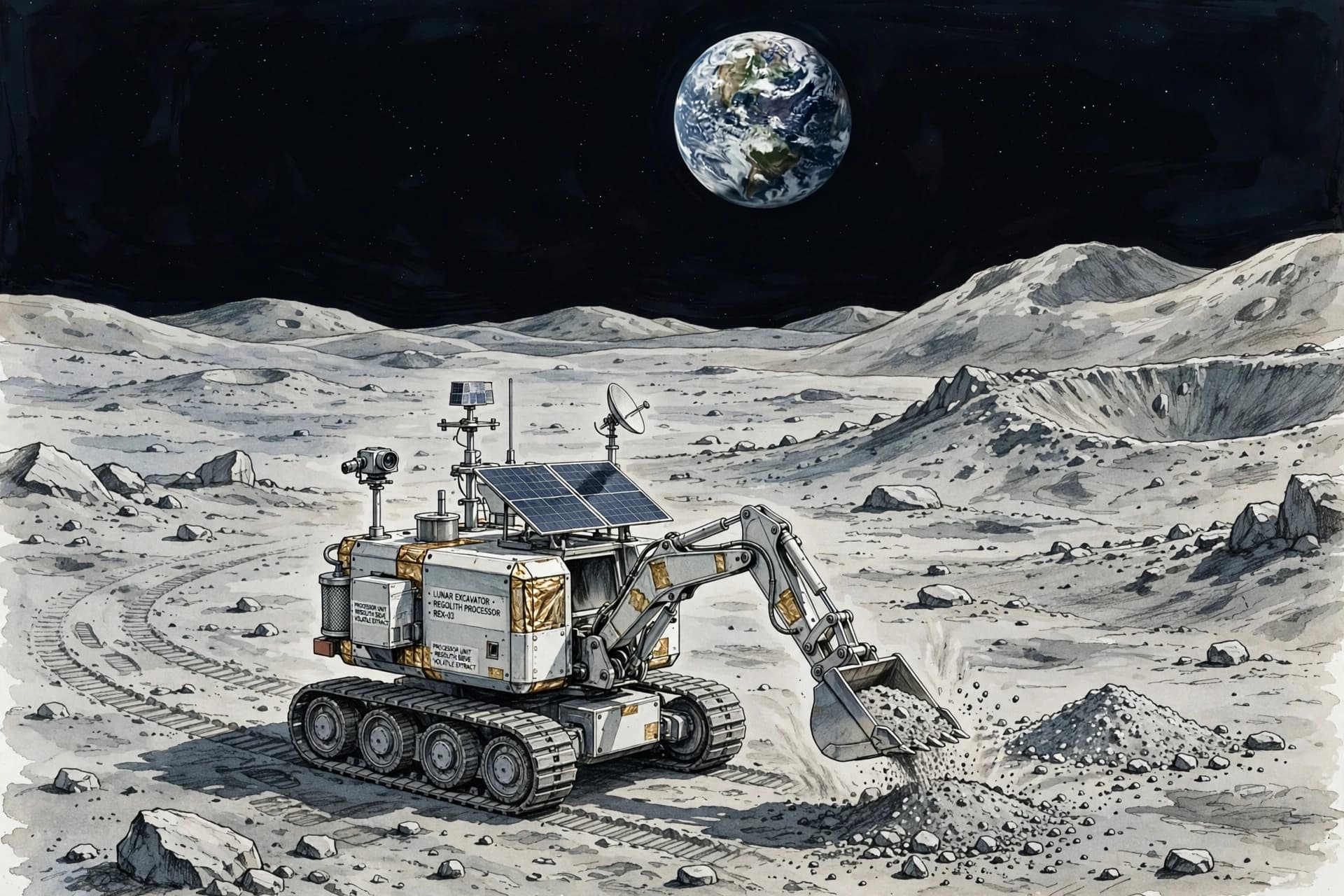
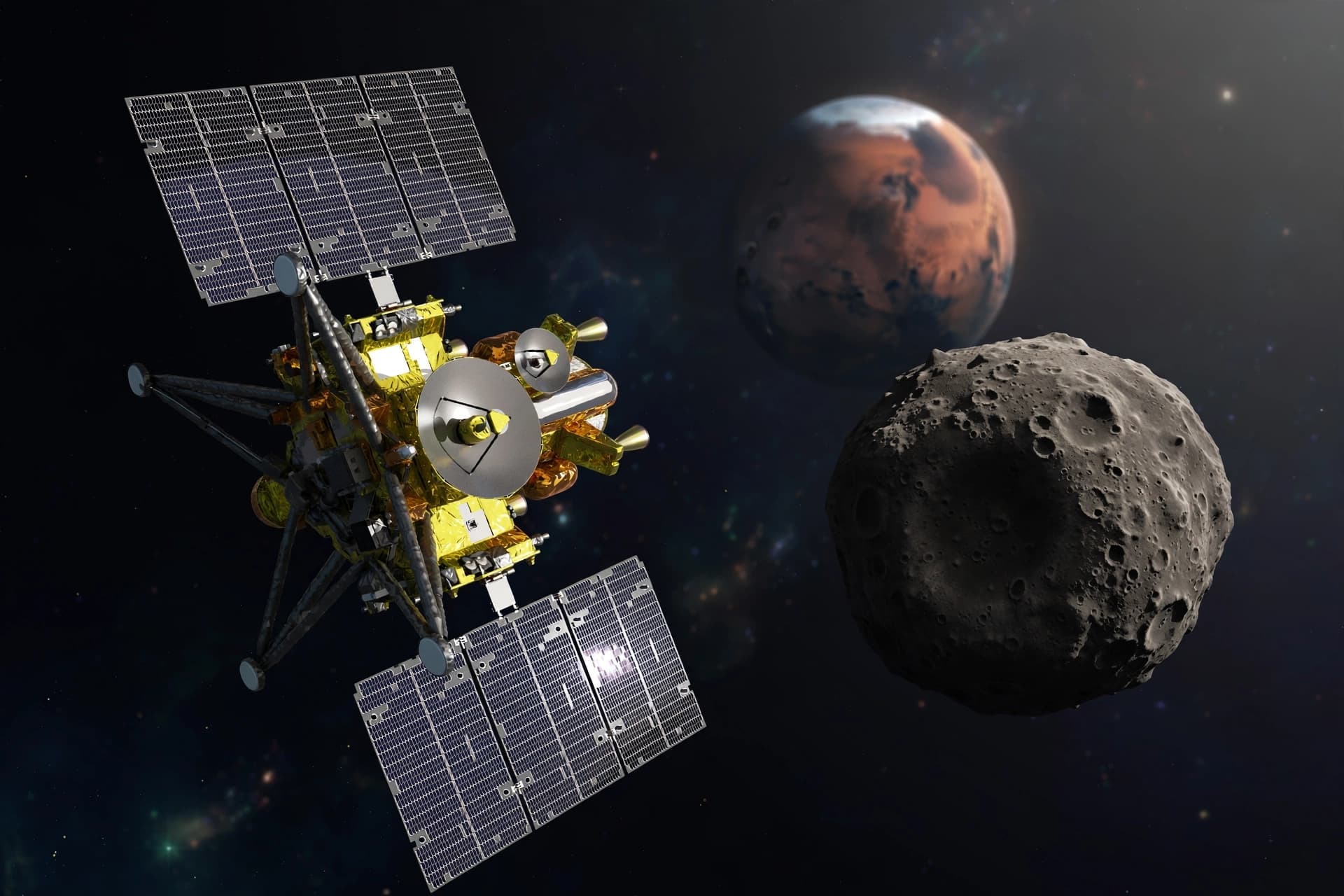
AI Image Disclaimer: The visuals accompanying this article are AI-generated illustrations depicting conceptual servicing missions and should not be interpreted as actual photographs of current operations.
Sources: Nature, NASA, ESA, SpaceNews, Scientific American
Published by Banx Network. This article is part of the Banx decentralized media programme, powered by the BXE token on the XRP Ledger.