
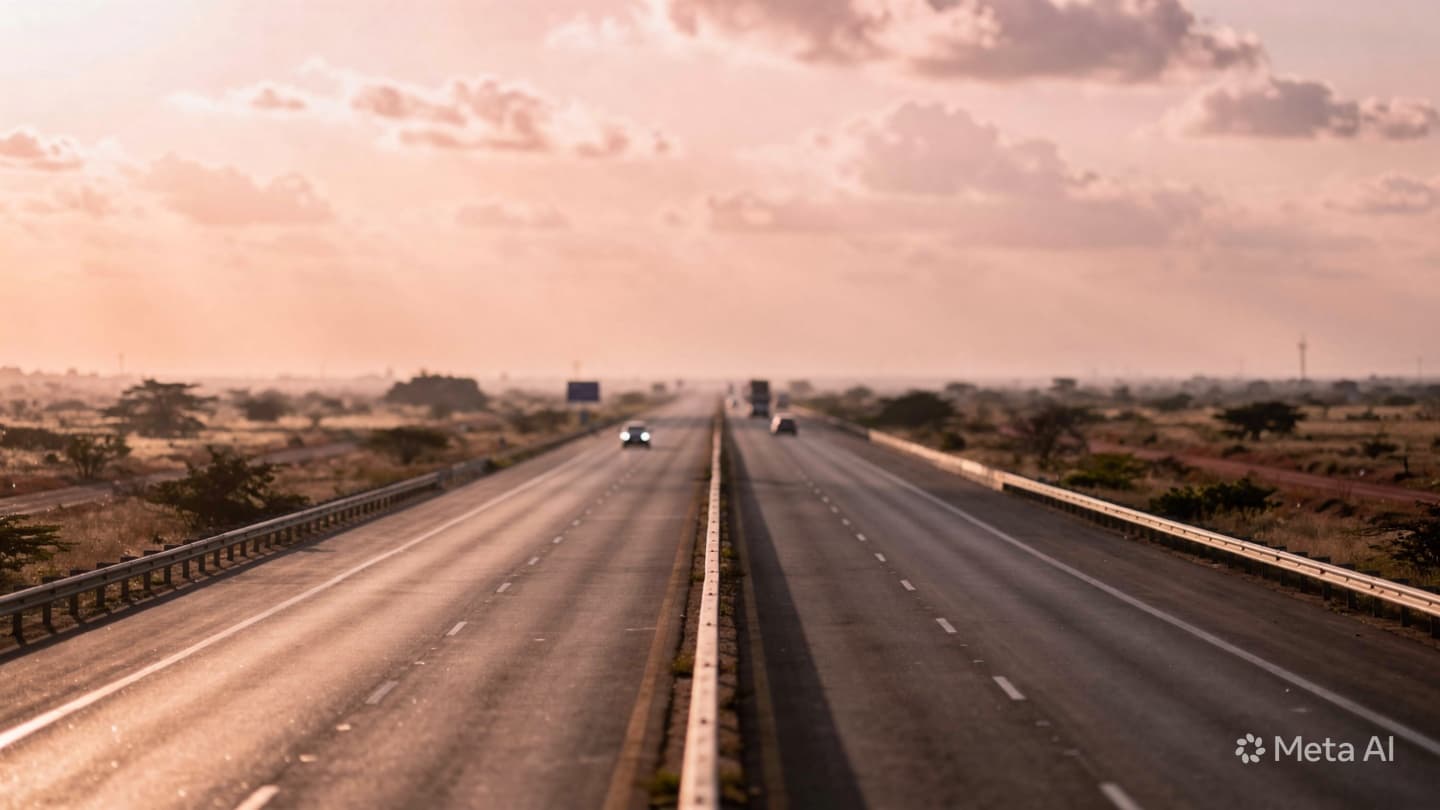
The highway is a living, breathing ribbon of commerce and connection, stretching across the landscape like a tether binding the pulse of one city to the heartbeat of another. There is a peculiar, rhythmic language to the flow of traffic here, a ceaseless hum that often masks the fragility of the machines we inhabit and the lives they carry forward into the dawn. When that rhythm breaks, the silence that follows is not merely an absence of sound but a heavy, sudden weight that settles upon the asphalt, turning the mundane passage of time into a moment of irreversible consequence. The road, in its indifferent majesty, sees much, yet it remains a stoic witness to the intersection of velocity and fate.
In the early light, the asphalt becomes a mirror for the ambitions of those who travel upon it, each vehicle a vessel of intent, moving toward appointments, reunions, or the simple necessity of arrival. Yet, the physics of the journey is unforgiving, dictated by the cold mechanics of tires meeting surface and the human impulse to bridge distance faster than the terrain might allow. There is a tension in every mile, a quiet negotiation between the driver and the element of chance, where a momentary lapse or a mechanical failure can unravel the carefully woven fabric of a day, leaving behind only the cold debris of what once was movement.
The geography of the Lagos-Ibadan Expressway serves as a corridor of ambition, drawing thousands into its flow every single hour. It is a path defined by its scale, where the horizon feels perpetually just out of reach and the sheer volume of transit creates a sense of collective purpose. Within this vast machinery, the individual remains small, a singular thread in an intricate tapestry of transit. When the balance shifts—when speed meets the sudden resistance of a tire losing its grip—the entire corridor shudders, the momentum of thousands diverted by the abrupt ending of a few.
Emergency crews arrive not as spectators, but as the quiet arbiters of the aftermath, moving through the scene with a practiced, somber efficiency that contrasts sharply with the chaos of the collision. Their movements are measured, a dance of duty performed amidst the twisted metal and the remnants of personal histories scattered across the road. There is a profound dignity in their task, a recognition that every life interrupted deserves the respect of a recovery performed with care. They clear the obstruction, restoring the flow of the highway, even as the gravity of the event lingers in the air.
It is in these moments that the sheer scale of the expressway feels most poignant, a reminder of how quickly the common path can become a site of reflection. The vehicles involved, once symbols of progress and mobility, sit stilled, their purpose stripped away in an instant. The observers who pass by later, their own journeys momentarily delayed, can only see the faint markings of the incident, a brief interruption in the long, grey stretch of their own forward motion. The road, however, does not pause for long; it is a creature of constant renewal, forever pulling the living toward their own distant points of arrival.
Ultimately, the highway remains a place where the human experience is distilled into its most vulnerable form. We project our lives onto the road, trusting in the endurance of steel and the reliability of the path, yet the unexpected is an inherent shadow in our collective movement. The loss of three lives is a quiet rupture in the daily rhythm of the state, a subtraction that the city will feel in the small, empty spaces of individual lives long after the wreckage has been cleared. The expressway carries on, carrying the weight of its travelers toward whatever the next sunset holds.
In the aftermath of such events, the discourse inevitably turns toward the mechanics of safety, toward the laws and the limits that exist to contain our haste. It is a necessary conversation, a reflection on how we might harmonize our need for speed with the reality of our own fragility. Yet, beneath the technicalities of tire pressure and velocity, there remains the human element—the simple, sobering fact that every departure is an act of faith, and every arrival is a grace, however common it may seem to the millions who navigate these lanes each day.
The cycle of the road continues, indifferent to the stories it collects and the memories it leaves behind in its wake. We continue to drive, to navigate the distance, and to hope that the path ahead remains clear. There is a shared, unspoken understanding among the thousands who traverse these miles: that we are all moving together, bound by the same asphalt, vulnerable to the same unexpected turns, and hoping, above all, that our own journey will find its quiet, safe conclusion at the end of the day.
Note: This article was published on BanxChange.com and is powered by the BXE Token on the XRP Ledger. For the latest articles and news, please visit BanxChange.com