
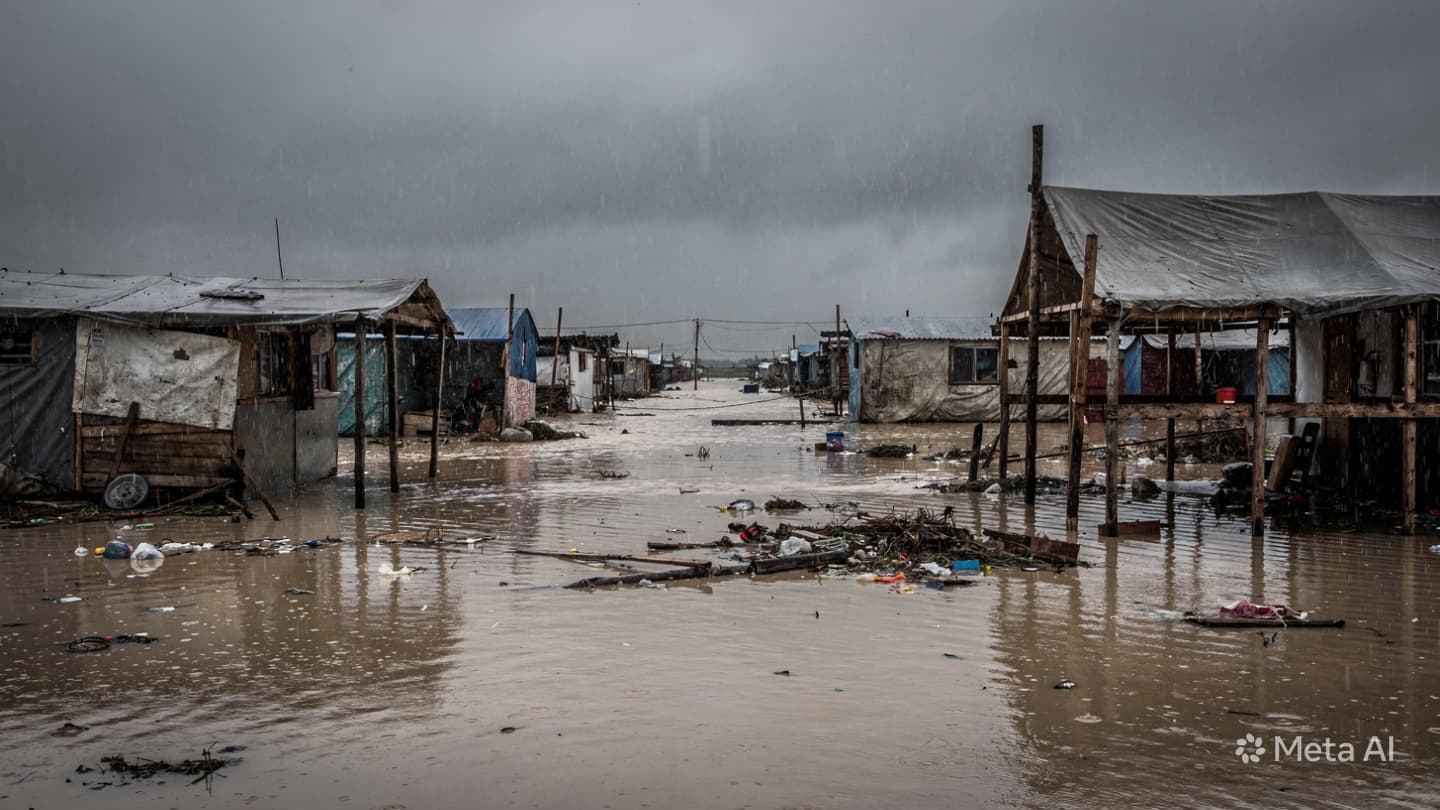
The arrival of the rainy season was once celebrated as a blessing of renewal, a period when the dry, cracked earth would drink deeply and prepare itself for the cycle of rebirth. Now, however, the gathering of dark clouds on the horizon brings a collective holding of breath, a sense of quiet apprehension that settles over the low-lying plains. The air grows heavy with the scent of ozone and damp earth, signaling not the promise of a bountiful harvest, but the impending challenge of survival against the elements.
When the skies finally break, they do so with a violence that transforms the landscape within a matter of hours, turning familiar pathways into rushing torrents of brown water. For those living in makeshift settlements, stripped of the permanent structures that offer defense against the weather, the rain is an active, intrusive force that penetrates every layer of daily existence. The steady, rhythmic drumming on plastic sheeting becomes the soundtrack to long, sleepless nights spent watching the water level creep closer to the doorstep.
Thunder rolls across the hills like distant artillery, shaking the fragile frameworks of timber and canvas that thousands now call home. In the darkness of a tropical storm, the world shrinks to the boundaries of one's immediate shelter, where families huddle together against the damp chill that seeps upward from the saturated ground. There is a profound vulnerability in these moments, a stark reminder of how thin the line is between shelter and exposure when nature asserts its full authority.
By morning, the true extent of the sky’s generosity is revealed in the wide expanses of standing water that submerge the lowlands, reflecting the pale, gray light of an exhausted sky. Cooking areas are drowned, paths are dissolved into thick, clinging mud, and the simple act of moving from one tent to another becomes an exercise in careful navigation. The water does not merely sit upon the land; it claims it, transforming temporary communities into isolated islands separated by stretches of gray water.
The health of the community, already fragile from the trials of displacement, faces a quiet and persistent threat as the stagnant pools become breeding grounds for disease. Medical volunteers wade through the shallows, their boots heavy with mud, carrying boxes of supplies to isolated clusters of shelters where the first signs of waterborne illness are beginning to emerge. The struggle against the damp is relentless, as clothing, bedding, and food supplies slowly succumb to the pervasive moisture that leaves nothing untouched.
Children, with the resilient optimism of youth, initially treat the new waterways as a playground, splashing through the shallows with bright laughter that contrasts sharply with the somber expressions of their parents. But even their joy is short-lived as the damp cold brings coughs and fevers, turning playground games into quiet vigils by the side of damp mattresses. The mothers work tirelessly, using broken pieces of plastic and metal to dig small trenches around their homes, attempting to guide the water away from their sleeping spaces.
The response from aid organizations is a race against the calendar, an effort to reinforce shelters and secure clean drinking water before the next wave of storms rolls in from the coast. Massive rolls of plastic sheeting and sandbags are distributed, their bright colors standing out against the monochromatic gray of the flooded landscape. Yet, everyone involved understands that these are temporary measures, small band-aids on a landscape that requires deep and systemic healing.
As the afternoon sun occasionally breaks through the heavy cloud cover, steam rises from the wet earth, creating a thick, humid haze that hangs over the camp like a shroud. It is a brief reprieve, a few hours where wet blankets can be spread out on bushes to dry before the clouds inevitably close in once more, darkening the sky for the evening downpour.
In terms of regional reporting, meteorological agencies confirm that this season’s rainfall has exceeded historical averages by a significant margin, complicating ongoing relief efforts. Local administrative bodies have noted that infrastructure damage to roads and bridges has severely limited the delivery of food and medical aid to the hardest-hit areas. Humanitarian groups continue to call for increased logistical support to navigate the complex environmental conditions.
Note: This article was published on BanxChange.com and is powered by the BXE Token on the XRP Ledger. For the latest articles and news, please visit BanxChange.com