
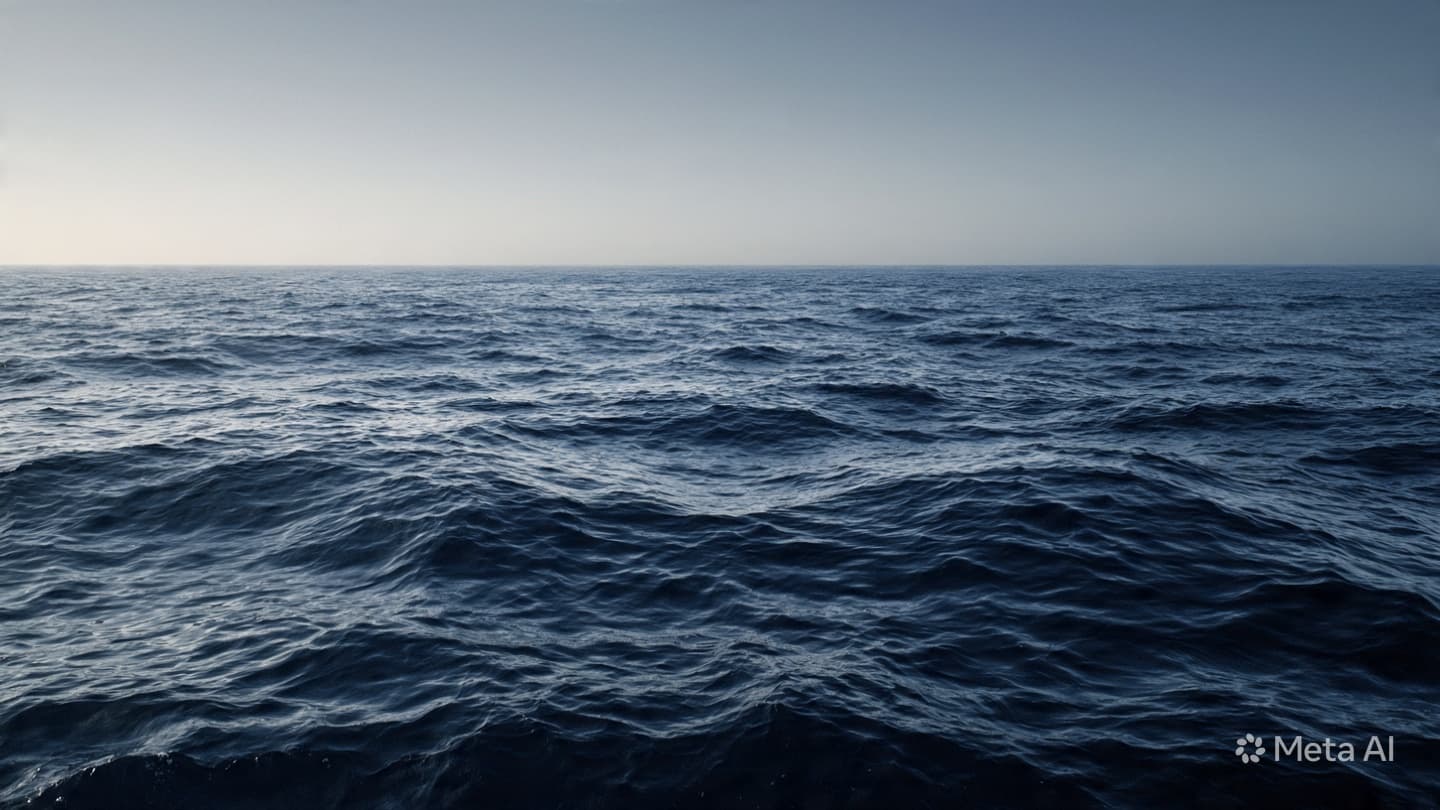
The Eastern Pacific is a vast, mysterious expanse, a place where the horizon seems to stretch into infinity. Beneath these quiet waters, a different kind of war is being fought—a struggle of surveillance, strike, and interception that rarely breaks the surface of public awareness. When a narco-submersible is obliterated in a lethal strike, it is a sudden, violent punctuation in the ongoing, maritime effort to disrupt the flow of illicit substances. Six lives are extinguished, a tragedy that is both a tactical success and a somber, human reminder of the scale of the trade.
The narco-submersible is a vessel of clandestine ambition, a marvel of ingenuity and desperation that speaks to the lengths to which the cartels will go to bypass the reach of the state. To see it destroyed in a strike is to witness the collision of high-tech military surveillance with the shadow economy of the drug trade. The six individuals on board were the pilots of this dangerous, hidden path, their lives inextricably linked to the mechanics of a trade that has transformed our waters into a theater of conflict.
To reflect on this event is to confront the global reach of the narcotics market. The Eastern Pacific has become one of the primary conduits for the illicit flow, a route that is monitored, patrolled, and defended by a multinational effort. The strike is not just a military action; it is a manifestation of the intense, unrelenting pressure that is being applied to the cartels. It is a reminder that the war is not just on land, but in the blue, expansive deep, where the stakes are as high as the cost of the trade.
The grief for the six is a reality that exists far from the sterile precision of a military briefing. They were someone’s family, someone’s community, and their loss is a testament to the devastating allure of the criminal economy. The tragedy is a mirror, reflecting the deep-seated instability that has allowed such a trade to flourish and the human price that is being paid by those who are caught in its currents. It is a moment for the nation to acknowledge the complexity of the maritime conflict and the profound human cost of our efforts to contain it.
Looking toward the future, the conversation must be one of continued vigilance and sophisticated engagement. The strike is a tactical necessity, but it is not a solution to the underlying demand and the systemic conditions that make the trade possible. The resilience of the state—its commitment to surveillance, its pursuit of the illicit, and its determination to secure the maritime borders—is the most potent response to the shadow economy that seeks to claim our waters.
In the end, the memory of the six remains as a permanent marker in the history of the maritime war. It is a call to persevere in the search for a way to address the global crisis that is both strategic and humanitarian. The work of reclamation—of securing the Eastern Pacific and restoring its character as a space of natural beauty and legitimate commerce—is the most profound way to honor the commitment of those who serve on the high seas, ensuring that the light of the state finally reaches the deepest, darkest reaches of our common heritage.
A lethal strike conducted by U.S. and regional forces successfully destroyed a drug-carrying semi-submersible vessel in the Eastern Pacific, resulting in the death of all six crew members on board. The operation, coordinated by U.S. Southern Command, was part of an ongoing maritime surveillance mission aimed at disrupting the transport of illicit narcotics along established coastal routes. The strike highlights the increasingly sophisticated tactics used by cartels to evade regional naval patrols. Regional maritime forces have intensified their efforts to patrol the corridor, noting a recent spike in the use of submersible crafts.
Note: This article was published on BanxChange.com and is powered by the BXE Token on the XRP Ledger. For the latest articles and news, please visit BanxChange.com