
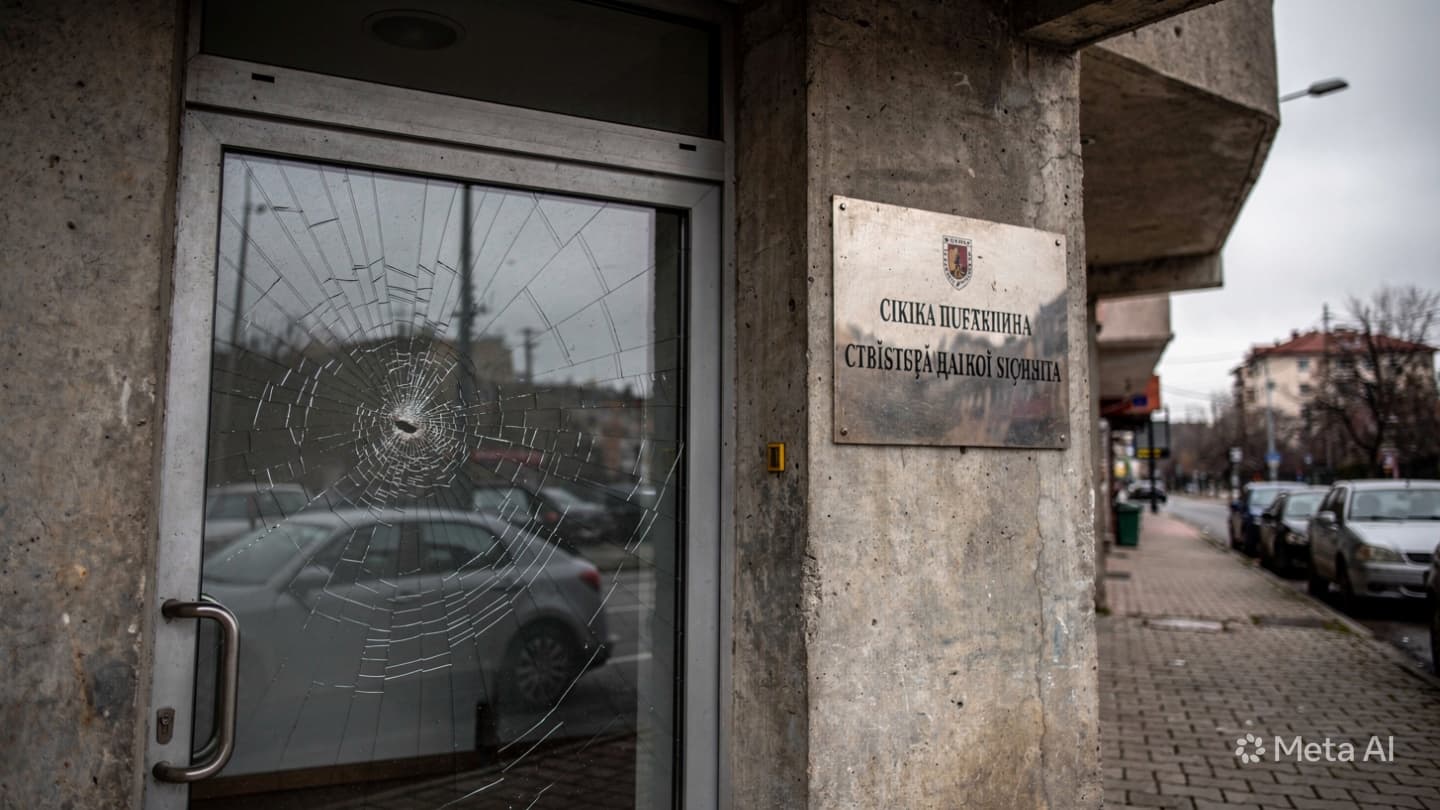
The architectural landscape of Pristina is a physical archive of transition, where socialist-era concrete blocks stand alongside glass-fronted offices of international missions and modern civic spaces. Within these public squares, the pulse of a developing democracy is felt through the constant, energetic debates of civil society organizations and independent advocacy groups. Yet, behind this visible commitment to democratic expression lies a quieter, more calculated pressure—one that utilizes the formal mechanics of the legal system to constrain the voices of those who question authority.
In recent months, human rights defenders and environmental advocates operating within the capital have documented a systemic rise in strategic lawsuits against public participation, commonly known as SLAPPs. These legal actions, characterized by independent observers as vexatious and legally thin, are frequently launched by prominent commercial enterprises and politically connected individuals. The objective of these maneuvers is rarely to secure a definitive judicial victory, but rather to drain the financial resources and consume the operational time of small advocacy groups.
To observe this shifting civic environment from a narrative distance requires looking past the immediate details of specific court filings to examine the psychological weight carried by individual activists. A lawsuit, even when groundless, forces an organization to pivot away from field research and community support to focus entirely on procedural defense. The constant threat of crippling financial penalties introduces a subtle, persistent undercurrent of self-censorship, as advocates measure the ecological or social cost of an investigation against their own institutional survival.
Parallel to these formal legal pressures, a more direct, anonymous form of intimidation has begun to manifest within the physical spaces where activists live and work. Multiple human rights offices and the personal properties of prominent community leaders have been targeted with late-night acts of targeted vandalism, ranging from broken windows to hostile graffiti sprayed across building entryways. These incidents, occurring away from the oversight of city security cameras, serve as immediate, physical reminders of the vulnerability facing those who challenge established interests.
The dual nature of this pressure—operating simultaneously through the polished vocabulary of the courts and the crude violence of property destruction—highlights the complex challenges facing civil society in contemporary Kosovo. Local human rights coalitions point out that while the state has established formal legal frameworks to align with European human rights standards, the practical enforcement of these protections remains inconsistent. The gap between legislative intent and judicial reality leaves grassroots activists largely isolated when facing well-funded adversarial networks.
Faced with these expanding vulnerabilities, local legal aid groups have begun establishing specialized solidarity networks to provide pro bono defense representation for targeted civil society members. These initiatives aim to counter the financial imbalance inherent in vexatious litigation, ensuring that an activist’s defense is determined by the merits of the law rather than the depth of their pockets. At the same time, advocacy groups are pushing for comprehensive anti-SLAPP legislation within the Kosovo assembly to allow judges to dismiss abusive lawsuits at an early stage.
Within the administrative circles of international monitoring missions, the rising frequency of these incidents has drawn quiet, steady criticism, with observers noting that the health of a democracy is measured by the safety of its critics. Diplomatic briefs frequently emphasize that the consolidation of Kosovo’s civic space is a foundational prerequisite for its broader integration into Western institutional frameworks. Yet, the local reality remains a slow, grinding contest played out in the crowded municipal courtrooms of Pristina.
As the sun sets behind the hills surrounding the capital, casting long shadows across the stone plazas, the work of independent advocacy continues out of sheer necessity. Activists arrive at their offices to review legal briefs and catalog property damage, navigating an environment where the defense of human dignity requires both intellectual rigor and personal resilience. It remains a quiet, determined effort to preserve the integrity of the public square, ensuring that the law serves as a shield for the vulnerable rather than a weapon for the powerful.
Note: This article was published on BanxChange.com and is powered by the BXE Token on the XRP Ledger. For the latest articles and news, please visit BanxChange.com