
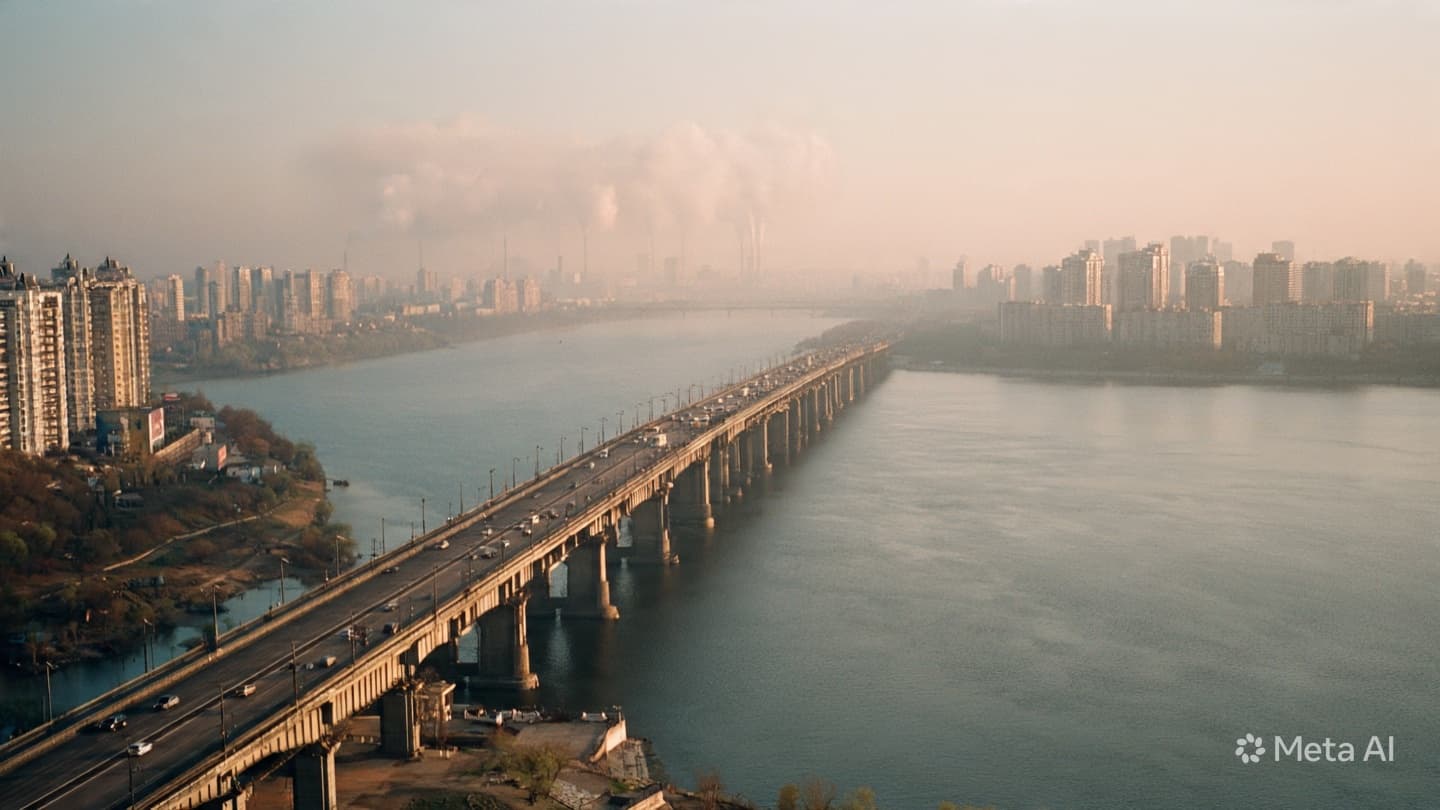
Guayaquil is a city shaped by water, a port that pulses with the rhythm of the rivers that feed it. But when the bridge collapses under the pressure of severe flood waters, the landscape itself seems to turn against the inhabitants. To see a vehicle crushed and a driver lost to the current is to confront the terrifying vulnerability of our built environment when it meets the unrestrained power of the natural world. The collapse is not just a failure of engineering; it is a rupture in the daily movement of a city, a tragedy that echoes in the silence of the riverbed.
There is a searing, sudden finality to such an event. The bridge, a lifeline for those who cross it, becomes a site of destruction in the blink of an eye. The loss of the driver, caught in the unexpected transition from road to ruin, is a piercing reminder of how quickly our modern conveniences can become our undoing. It is a tragedy that highlights the systemic fragility of an infrastructure that is being increasingly pushed to its limits by the frequency and intensity of the seasonal floods.
To reflect on this collapse is to acknowledge the immense, ongoing challenge of maintaining a city in a river basin that is undergoing such environmental stress. Guayaquil’s struggle is a mirror for every city built at the mercy of the waters—a realization that the engineering of the past is being tested by the realities of the present. The disaster is a call for a fundamental, soul-searching inquiry into the resilience of our public works and a commitment to the rigorous maintenance and modernization required to keep the city moving in a changing climate.
The grief of the family and the community is a deep, resonant truth. For those who loved the driver, the bridge will forever be a place of sorrow, a monument to a life cut short by the intersection of flood and fracture. The community’s reaction—a mixture of anger, sadness, and an urgent demand for accountability—is the only meaningful way to ensure that such a collapse is not just another headline, but a catalyst for change. It is a call for transparency, for investment, and for a refusal to accept the erosion of our public safety.
Looking toward the future, Guayaquil must face the daunting task of re-evaluating its entire infrastructure network. The collapse is an urgent signal that the status quo is no longer viable. The resilience of the city—its determination to rebuild, to secure its bridges, and to protect its citizens from the river’s rage—is the only way forward. It is a task that will require courage, resources, and a collective commitment to building a city that is not just shaped by water, but protected from its potential for ruin.
A bridge in Guayaquil has collapsed under the immense pressure of severe flood waters, causing a vehicle to fall into the turbulent river below and resulting in the death of its driver. Local emergency services have been conducting rescue and recovery operations in extremely hazardous conditions. The incident, which has drawn international attention, underscores the severe impact of the current rainy season on Ecuador’s aging infrastructure, sparking widespread public debate over the need for urgent structural assessments and reinforcements across the country’s transit network.
Note: This article was published on BanxChange.com and is powered by the BXE Token on the XRP Ledger. For the latest articles and news, please visit BanxChange.com