.jpeg&w=3840&q=75 "Between The Surge And The Silence: Observations On The Aftermath Of The Coastal Tragedy")
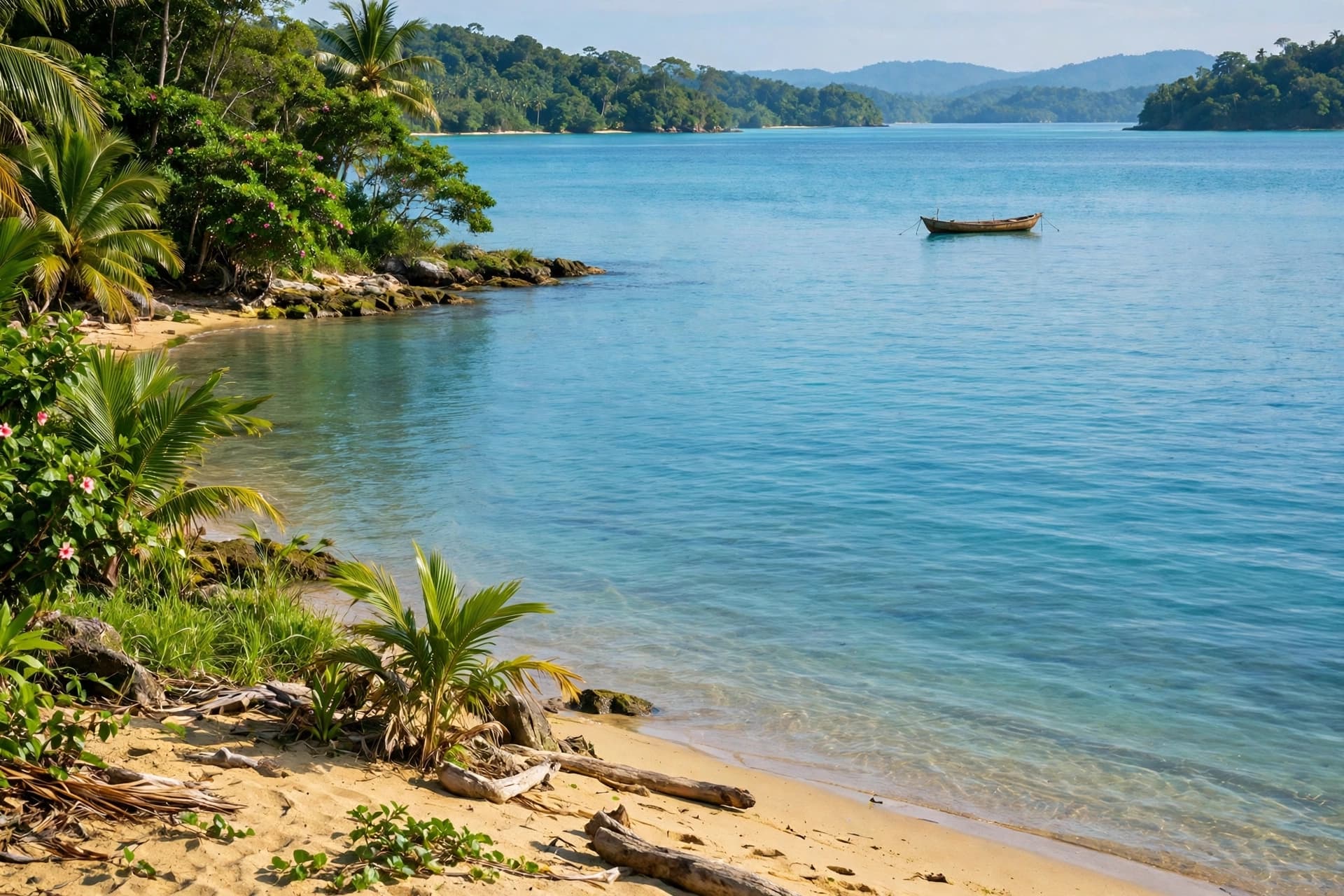
The coastline of Crete, with its jagged limestone cliffs and the endless, sapphire stretch of the Libyan Sea, often speaks to the resilience of those who call its shores home. Yet, in the wake of severe weather, the island’s southern edge becomes a space of profound and heavy stillness. When the waves finally relinquish what they have claimed, the authorities are tasked with a recovery that feels less like a mission and more like a solemn act of witness. The sea, which offered no quarter to the small, fragile vessels caught in the gale, now returns the departed to the threshold of the land, leaving the rescue crews to perform their work under the watchful, indifferent gaze of the ancient stone.
The process of recovery in such an environment is characterized by a deliberate, measured pace. There is an emotional restraint in the way the teams move across the debris-strewn shore, their actions dictated by the gravity of the scene and the harsh, remaining winds. They are the conduits between the chaotic turbulence of the storm-tossed deep and the orderly, final processes of the land. Each movement is a quiet acknowledgment of the human vulnerability that the sea does not recognize, as the responders carefully catalog the remnants of a journey that was intercepted by the sudden, overwhelming violence of the weather.
As the authorities secure the site, the atmosphere undergoes a shift from the frantic struggle of the rescue to the somber reflection of the aftermath. The Cretan landscape, usually a place of light and clarity, seems to absorb the weight of the tragedy, the cliffs standing as silent, monolithic observers of a story that ended far from its intended destination. The air is stripped of its usual warmth, and the rhythm of the shore is broken, leaving a void where the sound of the surf once signaled the potential for arrival. It is a scene that demands a quiet, respectful distance from all who witness it.
The investigation into the incident will inevitably follow, but in these initial hours, the focus remains on the dignity of the recovery. The teams work with a professionalism that is necessary to sustain them in the face of such repeated, harsh realities. They understand that their labor is an essential part of the maritime narrative, a way of imposing a human structure upon the aftermath of an event that occurred in the lawless, indifferent expanse of the deep. It is a labor of endurance, performed in a space where nature holds all the power and the survivors are left to reckon with the void.
There is a unique perspective gained by those who serve on these recovery missions. They witness the sea’s true character—not as the romanticized, sapphire-blue backdrop of travel and leisure, but as a medium of immense, uncaring force. They see how quickly the elements can strip away the veneer of safety, and they carry that knowledge with them, a burden that informs their steady, quiet movements on the shoreline. It is a perspective that is deeply human, grounded in the reality of the crisis rather than the rhetoric of the news cycle.
By the time the sun begins to fade, casting long, bruised shadows across the beach, the primary phase of the recovery has transitioned into a state of quiet, administrative resolution. The urgency of the search has given way to the methodical logging of evidence and the somber transfer of the deceased. Those involved in the operation move with the heavy, measured tread of individuals who have stared into the uncaring face of the storm. The coastline, once a place for the living, has momentarily become a threshold between the world of motion and the world of stillness, marked by the permanence of the loss.
The recovery effort is a testament to the dedication of the local maritime services, who serve as the final stewards of those who are lost at sea. Their work is a quiet, essential service performed in a world that often struggles to comprehend the scale of the Mediterranean's transit crises. As the night descends, the Cretan coast returns to its natural, rolling rhythm, but the mark of the incident remains, an indelible layer of tragedy woven into the island’s history. The search for answers continues, but for now, the primary duty has been fulfilled.
Official reports from Crete confirm that maritime authorities have concluded the recovery of bodies following a small boat incident during severe weather conditions earlier today. Local coast guard units and disaster response teams were deployed to the southern coast after debris and victims were sighted near the shoreline. An investigation into the circumstances of the vessel’s transit and the impact of the storm is currently underway. Next-of-kin notification procedures have been initiated, and legal authorities are overseeing the identification process.
Published by Banx Network. This article is part of the Banx decentralized media programme, powered by the BXE token on the XRP Ledger.