
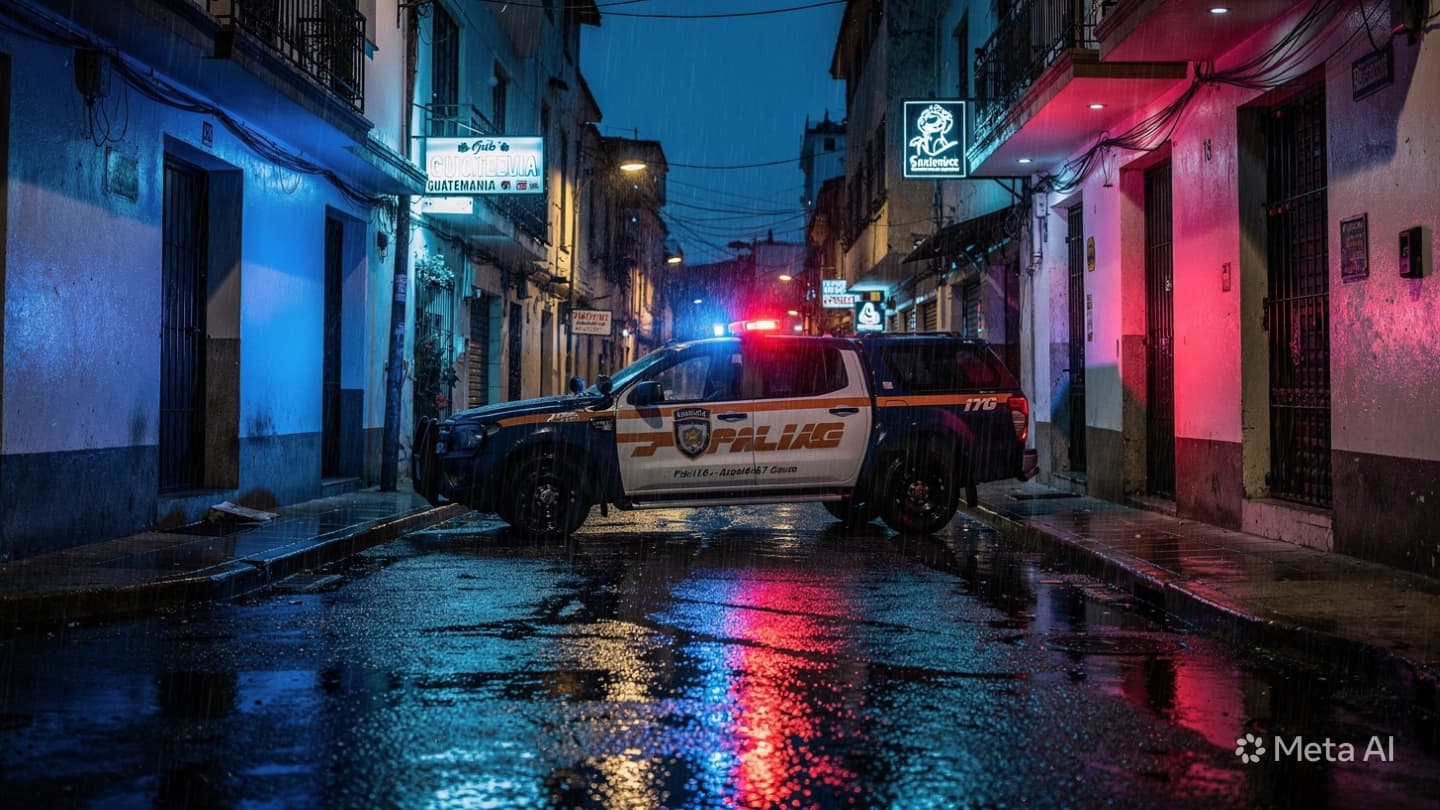
The urban landscape of Guatemala City is a study in contrasts, where modern steel high-rises overlook historic plazas and dense, informal settlements cling to the edges of steep volcanic ravines. Within these sprawling neighborhoods, the daily rhythm is defined by a vibrant, chaotic energy—the roar of urban transit, the calls of street vendors, and the steady hum of commerce. Yet, this familiar urban tapestry contains deep, historical fault lines, where the boundaries between public safety and organized criminal power are frequently contested.
In recent days, the atmosphere within several volatile urban sectors has grown noticeably tense following a series of highly coordinated street gang ambushes targeting police officers. These incidents, occurring in rapid succession within districts known as zones of high gang density, represent a sharp escalation in tactical confrontation. The ambushes appear to be direct, retaliatory responses to recent, successful state intelligence operations that disrupted the financial networks and leadership structures of prominent urban cliques.
To understand the nature of this urban friction requires a narrative distance that moves past the immediate shock of conflict to examine the structural reality of the neighborhoods involved. In areas where state presence has historically been inconsistent, street gangs have long sought to establish parallel authority, collecting illicit rents and enforcing their own codes of conduct. When targeted police operations challenge this dominance, the gang structures often respond with calculated violence intended to reassert their territorial control.
The physical mechanics of these ambushes suggest a sophisticated level of local intelligence gathering by the criminal factions, who monitor police patrol routes and response times. Officers navigating the narrow, winding alleys of the periphery find themselves vulnerable to sudden attacks launched from rooftops or concealed positions within dense residential blocks. This shifting tactical environment requires police personnel to operate with a heightened level of vigilance, altering their standard patrol procedures to mitigate the risk of surprise encounters.
In response to the targeted violence, the Ministry of the Interior has initiated a significant intensification of security operations across the capital district, deploying specialized tactical units to reinforce local precincts. These measures include the establishment of permanent, mobile checkpoints along major thoroughfares and increased joint patrols involving both civil police and military personnel. The objective is to saturate the affected zones, disrupting the mobility of the gang elements and restoring a degree of public reassurance.
The impact of this heightened security posture is felt immediately by the residents of these neighborhoods, whose daily commutes are now punctuated by identity checks and bag searches. While many welcome the increased protection, there is also an underlying weariness regarding the recurring cycle of action and reaction that characterizes urban security crises. The presence of heavily armed personnel on neighborhood streets serves as a constant reminder of the fragile balance governing their community.
The administrative focus of the ongoing operations extends beyond immediate containment to include comprehensive search warrants and targeted raids on known gang safe houses. Investigators are utilizing digital forensic data and community tips to locate the individuals responsible for planning and executing the ambushes, aiming to dismantle the operational commands. This systematic approach is viewed by the leadership as essential to preventing the consolidation of criminal authority within the capital’s margins.
As the city enters another evening under a heavy blanket of low-hanging clouds, the streets remain spaces of careful observation and quiet tension. The conflict between law enforcement and the urban gangs is an ongoing chapter in the city's complex social narrative, one that tests the resilience of the state and the endurance of the population. It remains a quiet, determined effort to ensure that the public avenues remain open to all, rather than surrendered to the shadows of retaliation.
Note: This article was published on BanxChange.com and is powered by the BXE Token on the XRP Ledger. For the latest articles and news, please visit BanxChange.com