The spaces we dedicate to the growth and protection of children are meant to be the most resilient parts of our society. Schools, parks, and the centers where families gather—these are the heartbeats of our communities, built on the promise that the future is something to be guarded. When these spaces become targets of infrastructure strikes, the impact is not just a destruction of concrete and steel; it is a direct assault on the very idea of continuity. The loss is compounded by the knowledge that the world we are shaping for the next generation is one where their safety is not a certainty.
We hear the reports—the numbers, the locations, the cold, analytical summaries—and we struggle to reconcile them with the image of a child. It is a dissonance that cuts to the core of our shared, human experience. To acknowledge that these strikes have claimed the lives of the young is to admit that the boundaries of our conflicts have expanded to include those who had no part in them. The tragedy is that we have become accustomed to the terminology of such events, the phrases we use to soften the blow of a reality that is fundamentally unbearable.
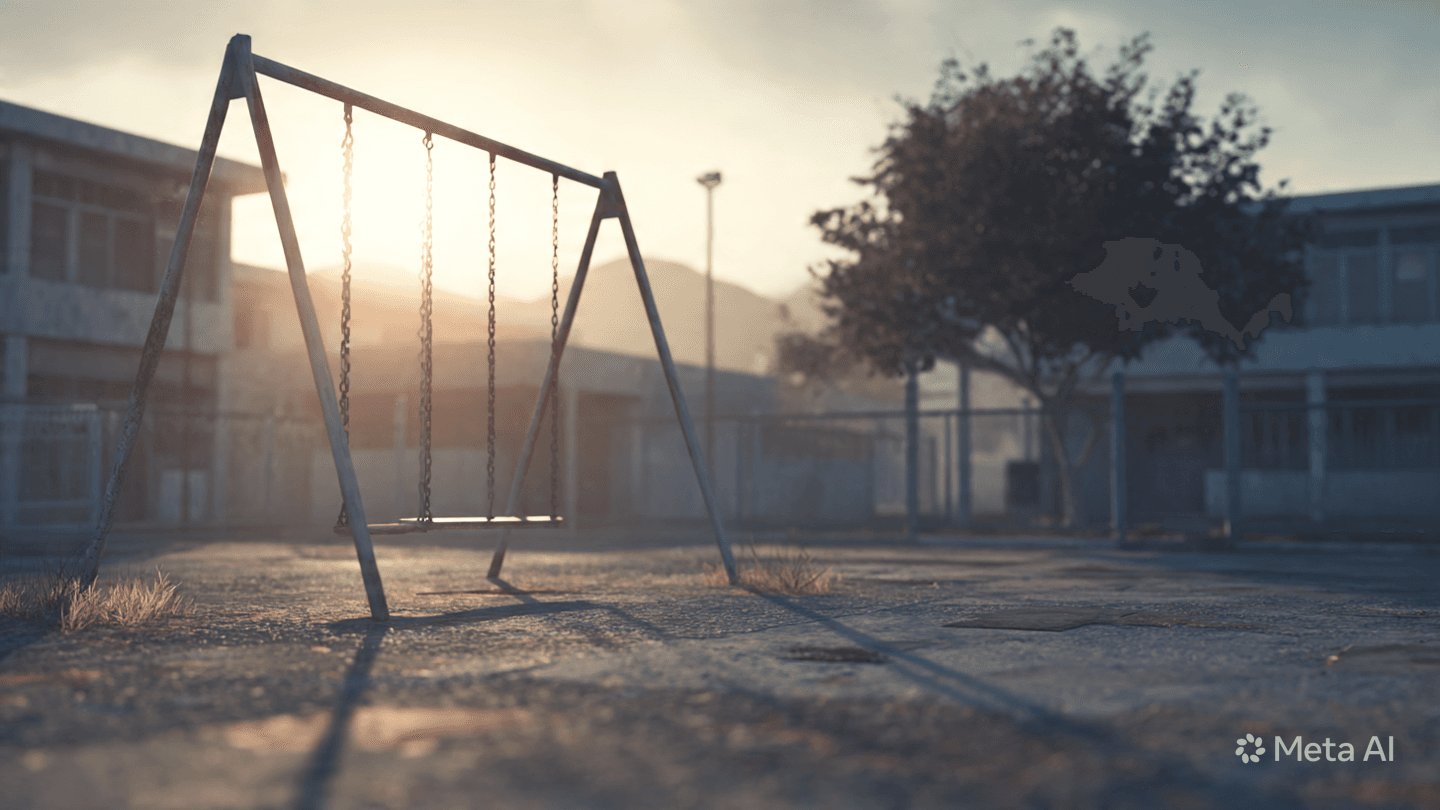
There is a particular, hollow silence in a space that has been stripped of the presence of children. The playground, now empty and marred by the marks of impact, serves as a haunting reminder of the lives that once populated it. We are left to reflect on the nature of a conflict that finds it necessary to strike the infrastructure that supports the development of the young. It is a reflection on the decay of our shared morality, where the necessities of a political or military campaign are placed above the most basic obligations of protection.
We observe the way the community rallies, the way families hold onto one another in the wake of the loss, and the way the collective grief becomes a quiet, persistent force for change. It is a testament to the endurance of the human spirit that, even when faced with the most egregious of violations, there remains a commitment to the truth. We document these incidents not because it will bring back what was lost, but because it is the only way to ensure that the cost of this conflict is recorded for history.
The infrastructure itself—the walls, the roofs, the systems of support—is meant to stand as a symbol of our society’s promise to the young. When that infrastructure is dismantled, the promise is also broken. We are forced to consider the long-term, reverberating effects of these losses, not just on the families directly affected, but on the fabric of the community as a whole. The trauma of the strike is etched into the landscape, a permanent reminder of the moment when the world turned its back on the future.
This is a time of profound, collective accountability. We look at the reports and we see the pattern of the strikes, the regularity with which the protected spaces are damaged or destroyed. It is an editorial reflection on the necessity of intervention, on the demand for a world where children are afforded the safety they deserve by right of their existence. The fight to protect these spaces is a fight to protect the very concept of a shared, human future.
Recent data from international humanitarian organizations has highlighted an alarming trend in the targeting of civilian infrastructure during the 2026 escalations. Reports from regional health and education ministries indicate that hundreds of children have been killed or permanently injured in strikes on schools and essential medical facilities. The pattern of these strikes, often occurring during peak activity hours, suggests a disregard for the precautionary measures mandated by international law, prompting intense scrutiny and calls for accountability from global leaders.
The ongoing documentation of these child casualties is being led by organizations such as UNICEF and local civil society groups, who continue to advocate for the establishment of humanitarian corridors and the protection of schools and hospitals. Experts emphasize that the long-term psychological and physical impact on the surviving population is severe, further complicating the prospects for future stability and development in the affected regions. The call for an immediate ceasefire and the restoration of safety standards remains the priority for all involved parties.
Published by Banx Network. This article is part of the Banx decentralized media programme, powered by the BXE token on the XRP Ledger.